

 Español
 عربى
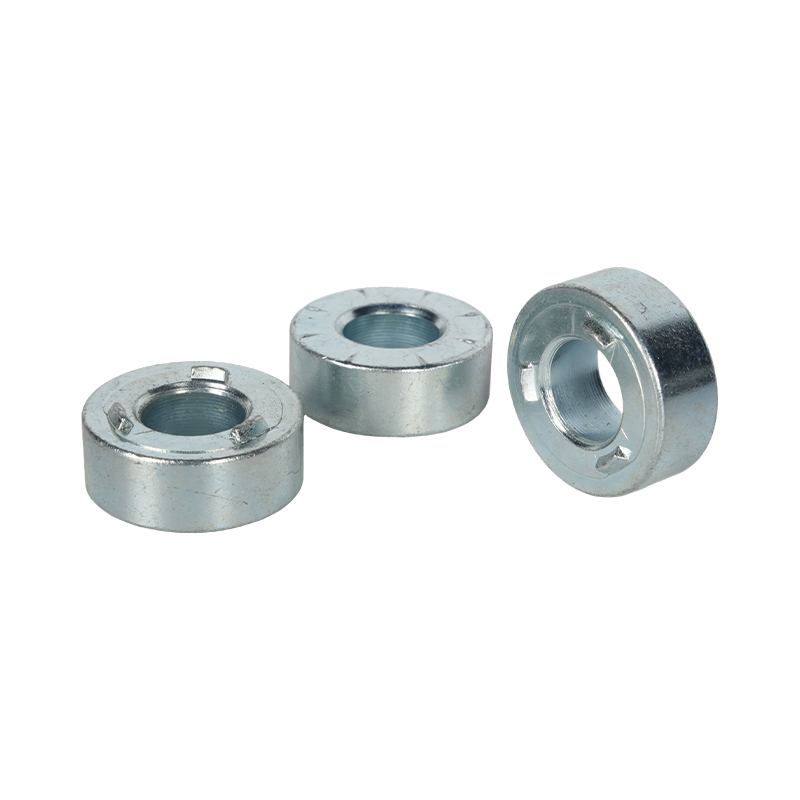
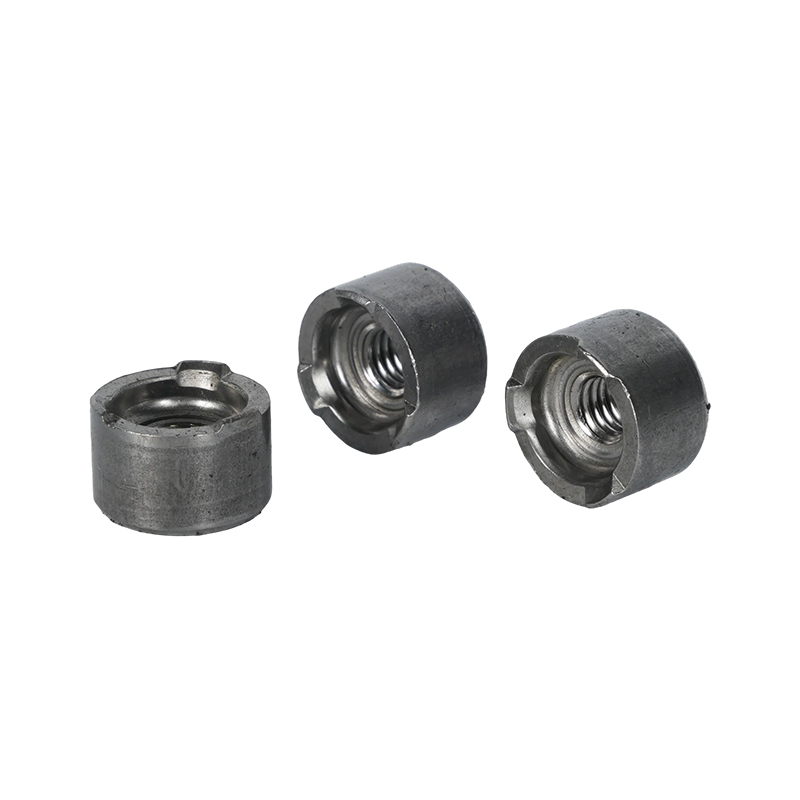
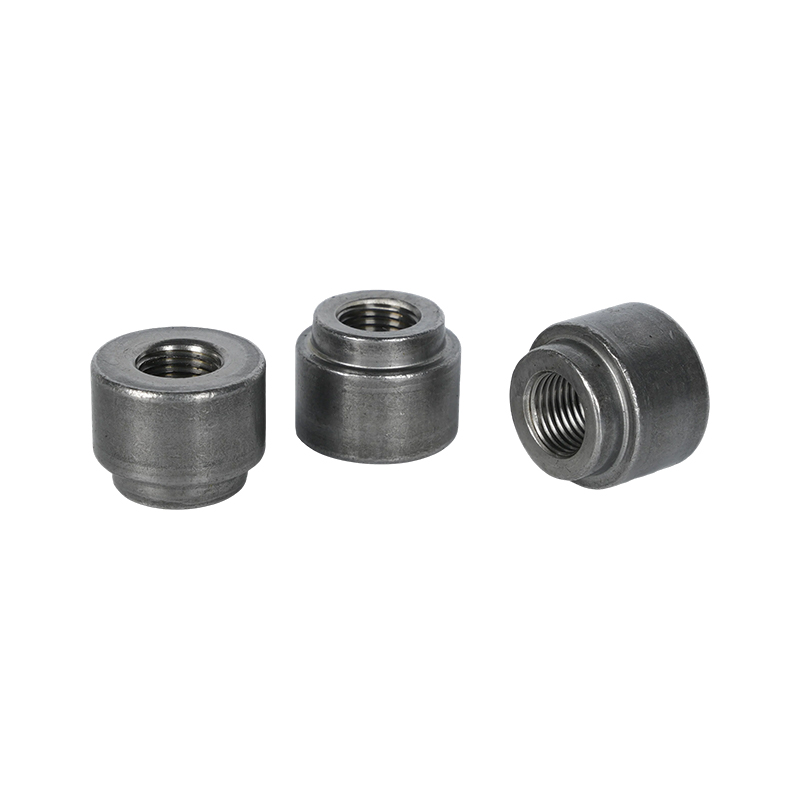
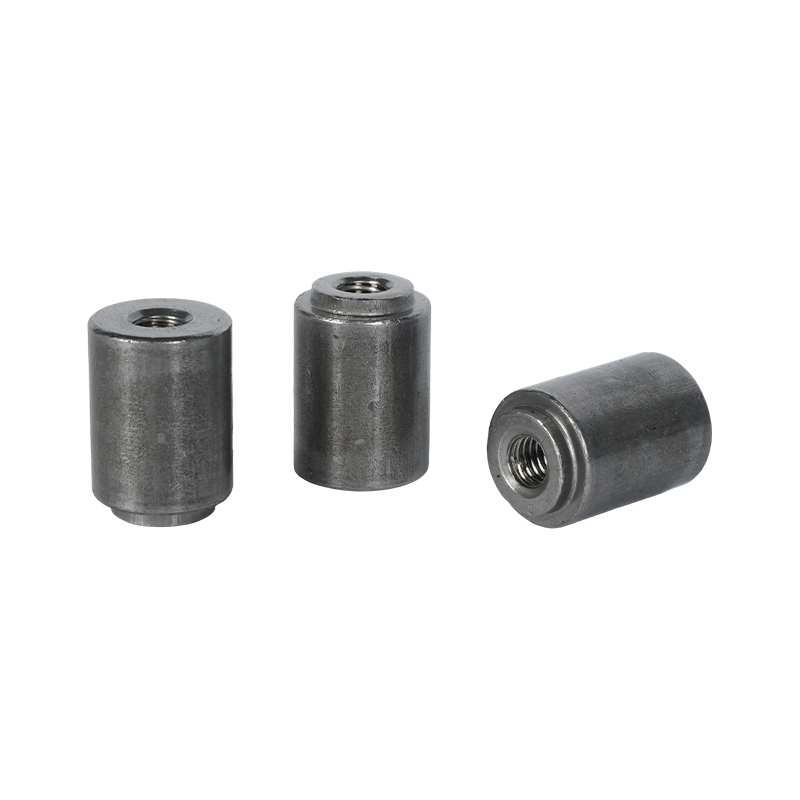
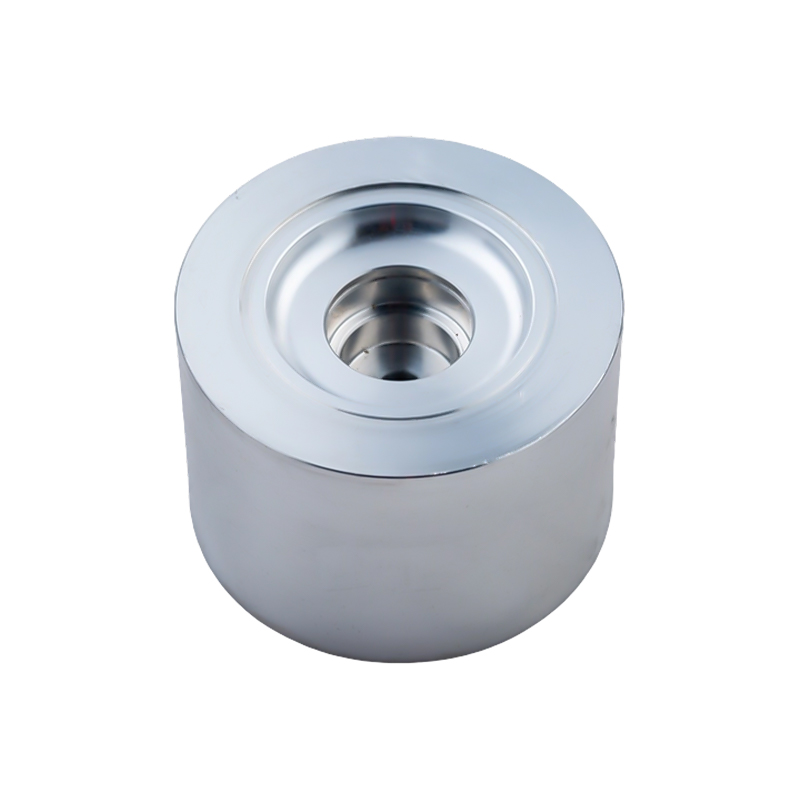
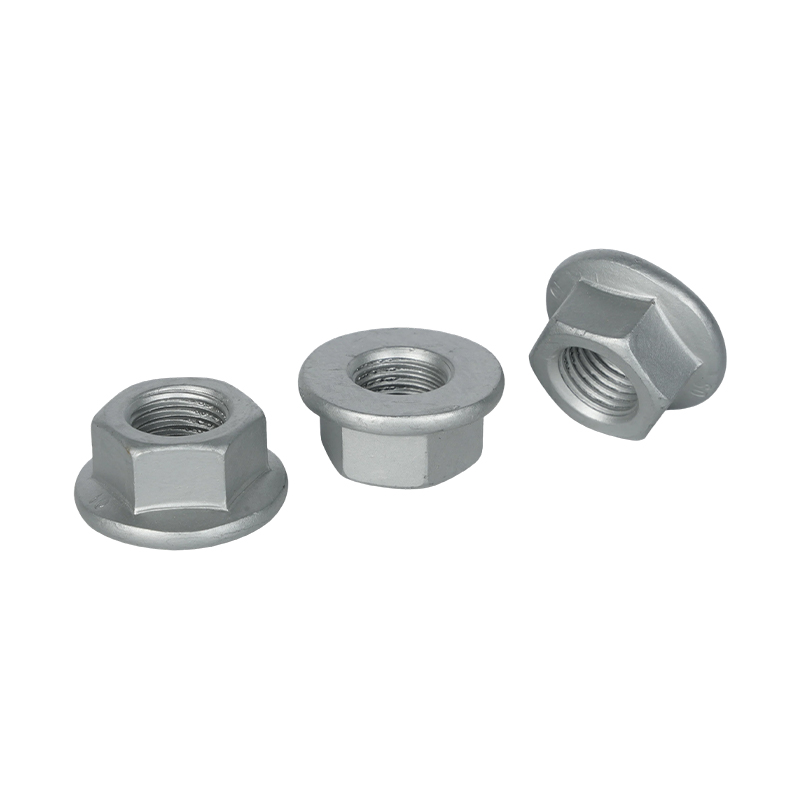
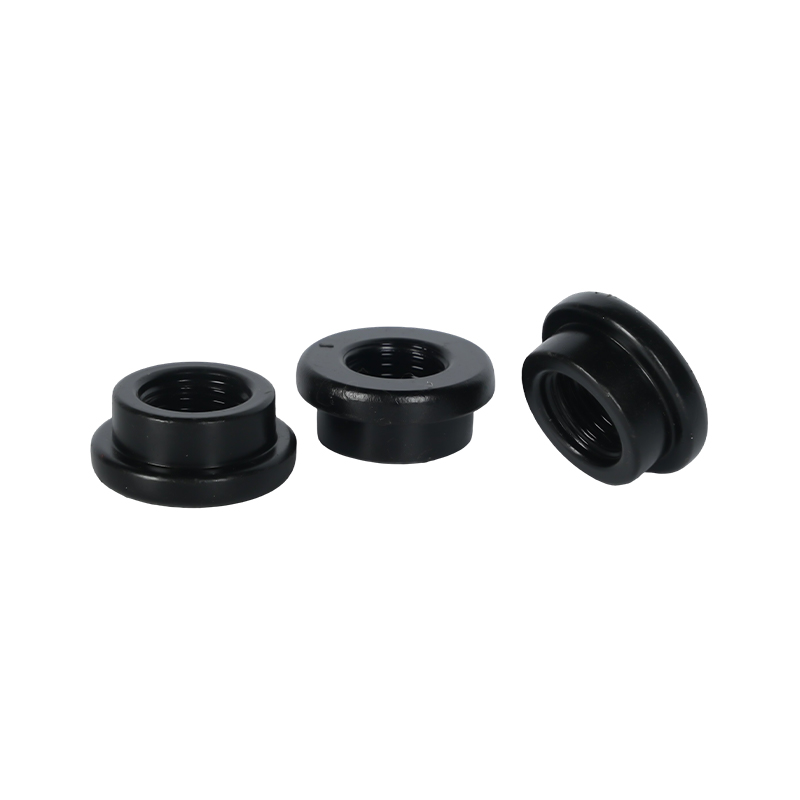
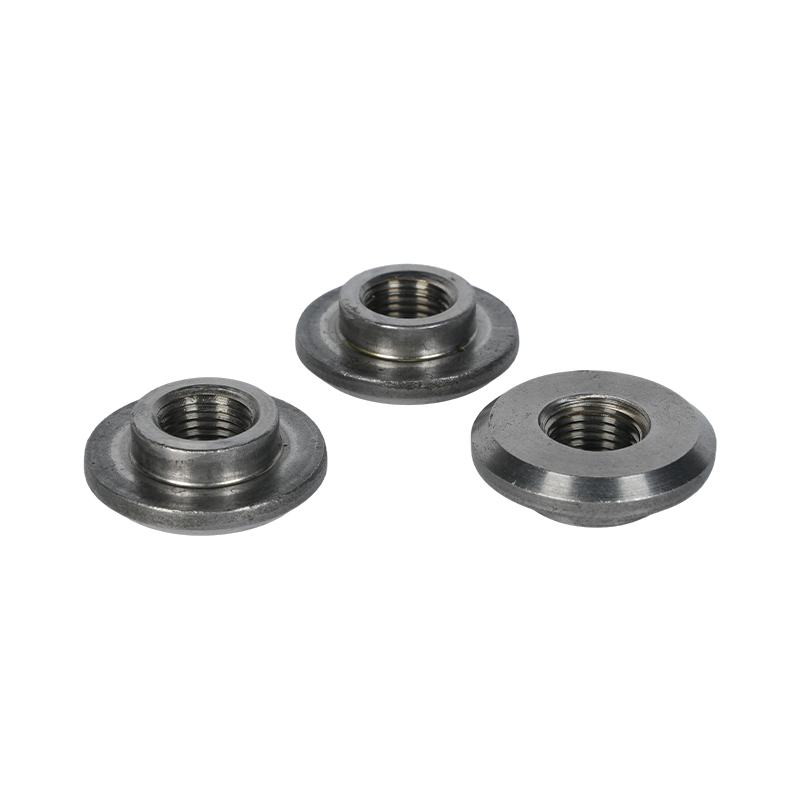
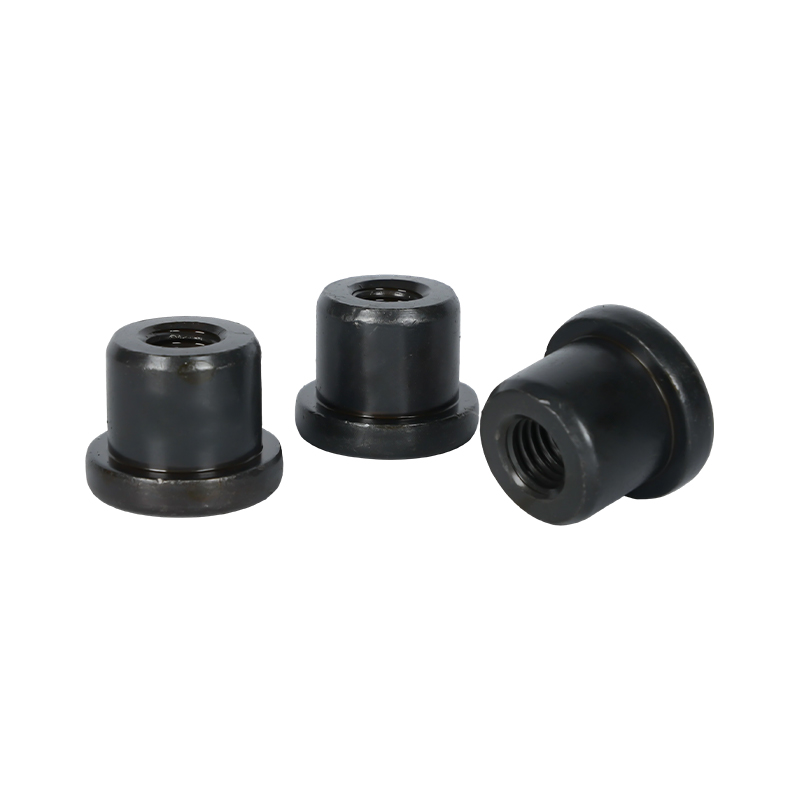
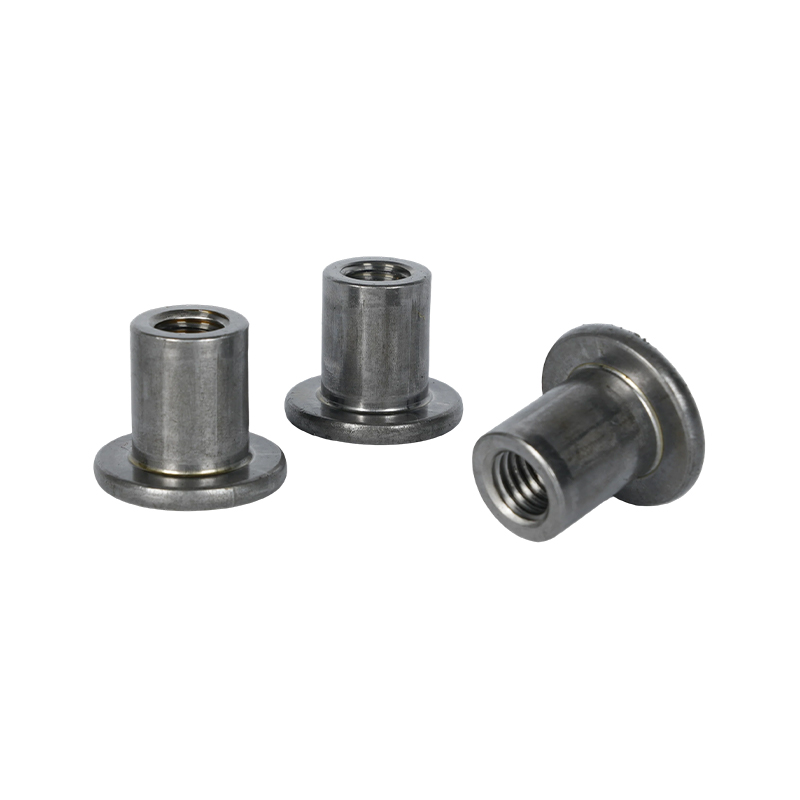
Round Cylindrical Welding Nuts
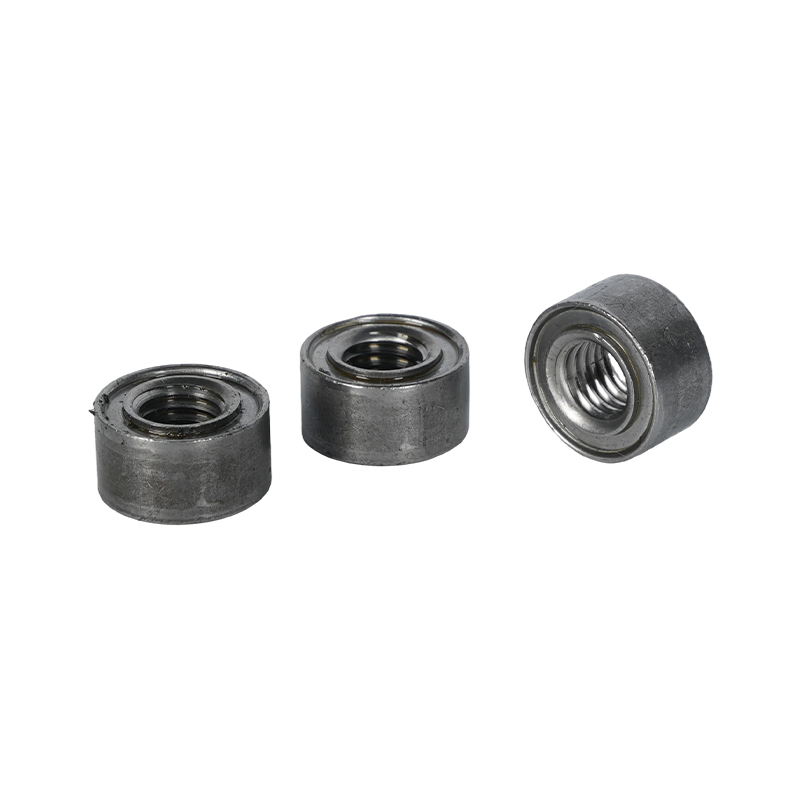
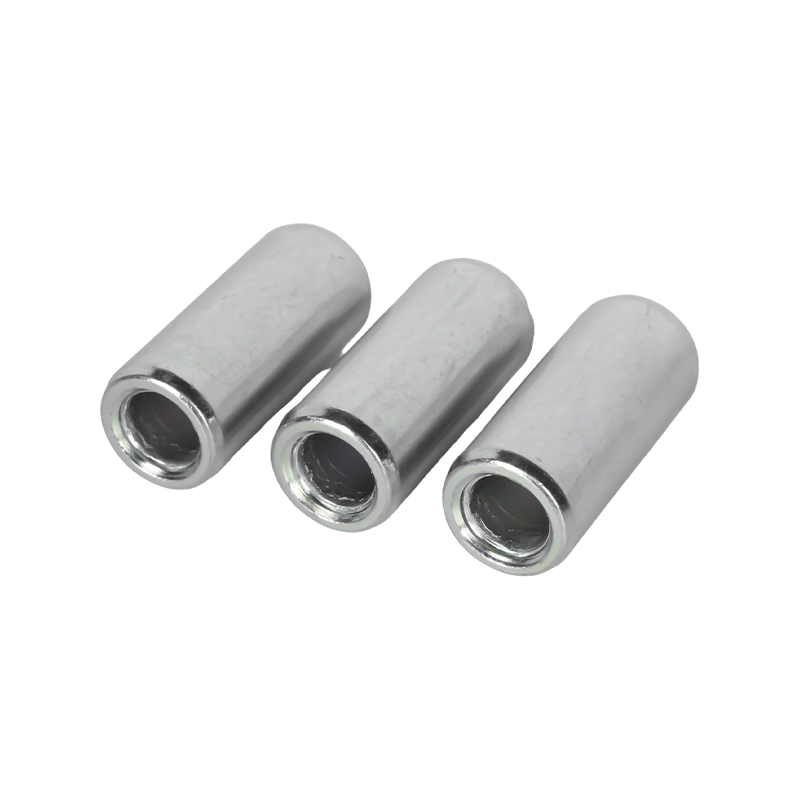
Round Cylindrical Welding Nuts are metal fastening components designed to be welded onto sheet metal, brackets, frames, and other metal structures. Their cylindrical outer profile provides a compact fastening form, while the internal thread allows bolts or threaded components to be installed after welding. Depending on the application, the nut can be manufactured with different diameters, heights, thread specifications, and welding features.
These nuts are used in automotive assemblies, metal enclosures, machinery, and fabricated components where a fixed threaded connection is required. Material selection, body dimensions, thread accuracy, and welding-surface design should be considered together to ensure compatibility with the base material and production process.
Designed for Welded Threaded Connections
Unlike loose nuts that require access to both sides of an assembly during installation, welding nuts are attached to a metal component before the final bolted connection is made. Once welded in position, they provide a fixed threaded point for subsequent assembly operations.
The round cylindrical configuration can be specified for applications that require a compact body profile or a particular fit within a fabricated structure. The welding interface may be adapted to the required joining method and component design. Exact geometry should be confirmed against the drawing and welding process rather than assumed from the product name alone.
Key Product Characteristics
Cylindrical Outer Profile
The round body provides a defined external shape for integration into metal assemblies. Outer diameter and body height can be specified according to the available installation space.
Internal Threaded Bore
The threaded hole accommodates a corresponding bolt or threaded fastener. Thread size, pitch, tolerance, and effective engagement length should match the assembly requirements.
Welding Interface
The contact area and end-face geometry can be designed around the specified welding process, base material, and required joint configuration.
Application-Specific Dimensions
Body diameter, overall height, thread position, and other dimensional details can be developed from customer drawings or agreed technical specifications.
Where Round Cylindrical Welding Nuts Are Used
These components are suitable for metal assemblies that need a permanent threaded attachment point. The final design depends on the structural layout, material combination, and welding method.
Automotive Components
Used in selected vehicle brackets, body-related metal parts, support structures, and interior or exterior component assemblies.
Sheet Metal Fabrication
Provides threaded mounting points on fabricated panels, metal housings, cabinets, and formed sheet metal parts.
Industrial Machinery
Can be incorporated into equipment frames, machine covers, mounting plates, and metal support assemblies.
Metal Enclosures
Used where panels and enclosure structures require fixed threaded positions for the installation of other components.
Dimensions and Technical Parameters
Round Cylindrical Welding Nuts can be produced according to customer drawings, sample parts, or agreed dimensional requirements. The following parameters should be confirmed before production.
| Specification | Details to Confirm |
|---|---|
| Product Type | Round cylindrical welding nut |
| Material | Steel or other specified material, subject to application requirements |
| Thread Specification | Metric or other specified thread standard, size, and pitch |
| Body Diameter | According to drawing or agreed dimensional specification |
| Body Height | According to required thread engagement and assembly space |
| Welding End | Configured according to the selected welding process and joint design |
| Surface Treatment | Specified finish or coating based on corrosion and process requirements |
| Inspection | Dimensions, thread condition, appearance, and agreed quality criteria |
Production Details That Affect Assembly Performance
Dimensional Consistency
Body diameter, height, end-face geometry, and thread position need to remain within the agreed tolerances. Consistent dimensions help maintain fit during automated or manual assembly.
Thread Quality
Thread dimensions and surface condition should be checked to support bolt engagement. Burrs, deformation, or contamination in the threaded bore can affect subsequent fastening operations.
Material Compatibility
The nut material should be evaluated alongside the base metal and welding process. Material selection can influence weldability, joint behavior, and the required surface treatment.
Welding Process Requirements
Welding parameters and joint geometry should be validated for the intended application. Buyers should confirm the welding method and performance requirements before finalizing the component design.
Custom Round Cylindrical Welding Nuts for Your Assembly
Standard dimensions may not suit every metal structure or automotive assembly. Custom specifications can be developed to match the required thread, body geometry, welding interface, and material selection.
Customers can provide technical drawings, samples, or dimensional requirements for evaluation. OEM and ODM cooperation is available for projects requiring application-specific component development and repeat production.
Inspection Points for Welding Nut Production
Material Verification
Confirm the specified material and relevant incoming material requirements.
Dimensional Inspection
Check body dimensions, thread position, and other drawing-defined features.
Thread Inspection
Verify thread size and condition using the agreed inspection method.
Final Evaluation
Review appearance, surface condition, and specified acceptance criteria.
Frequently Asked Questions
What are Round Cylindrical Welding Nuts used for?
They are used to create fixed threaded connection points on metal components. Typical applications include automotive parts, sheet metal assemblies, equipment frames, and metal enclosures.
Can Round Cylindrical Welding Nuts be customized?
Yes. Dimensions, thread specifications, material, welding interface, and surface treatment can be discussed according to customer drawings, samples, or technical requirements.
Which materials can be used for cylindrical welding nuts?
Steel is commonly considered for this type of fastening component. The specific material should be selected according to the base metal, welding process, mechanical requirements, and operating environment.
How should the thread specification be selected?
The thread should match the bolt or threaded component used in the final assembly. Buyers should confirm the thread standard, nominal diameter, pitch, tolerance, and required engagement length.
What information is needed for a quotation?
A technical drawing or sample is helpful. Buyers should also provide material requirements, thread details, dimensions, surface treatment, estimated quantity, and any specific welding or inspection requirements.
Can these welding nuts be used in automotive production?
They can be designed for suitable automotive metal assemblies. Their suitability depends on the component design, base material, welding process, joint requirements, and validation criteria specified by the customer.