Frequently Asked Questions
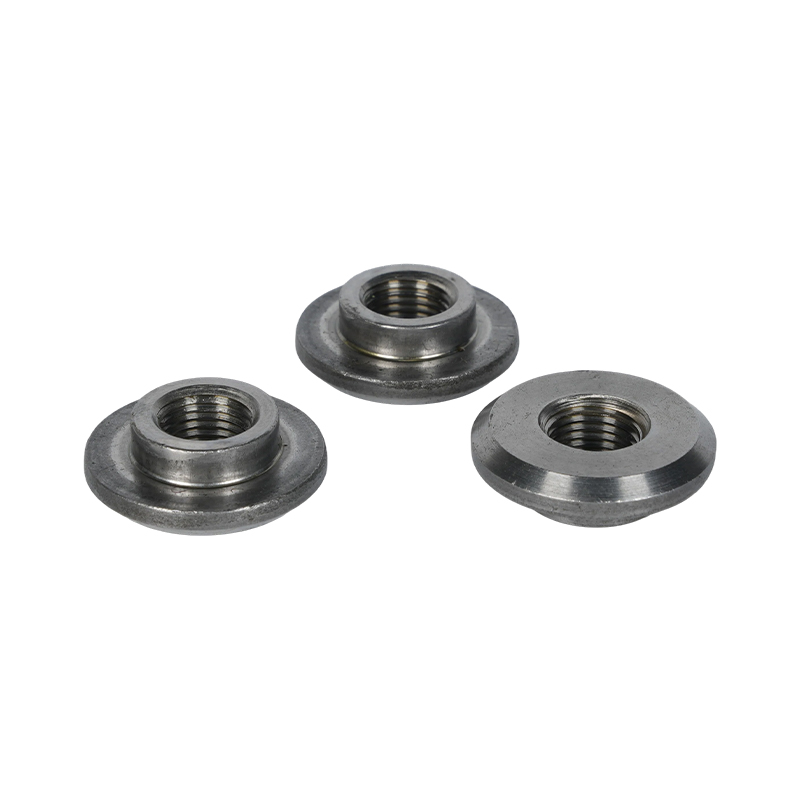
Q: What is the difference between a weldable spacer with internal thread and a standard spacer?
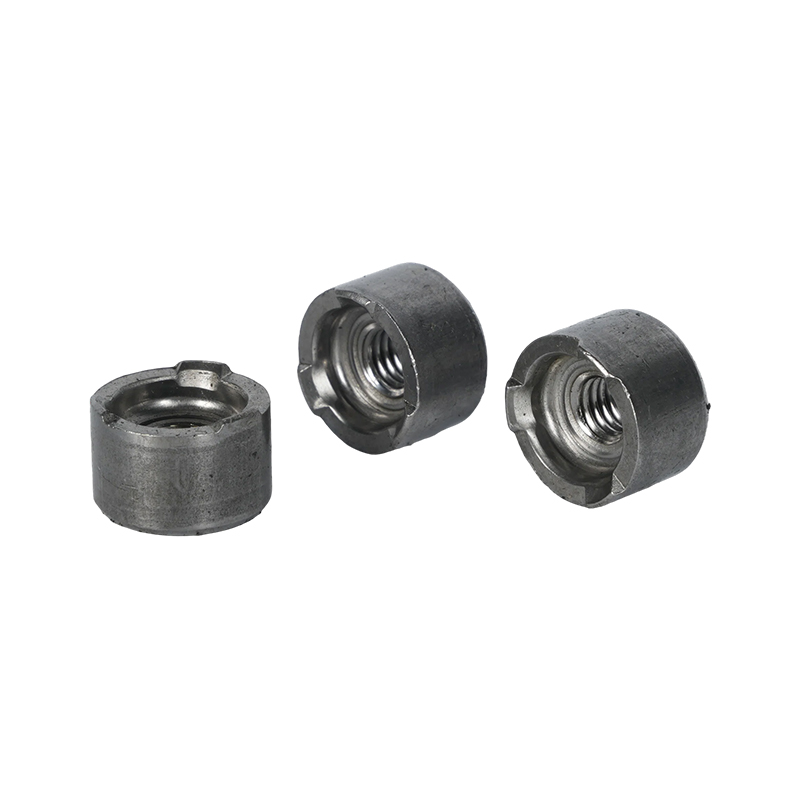
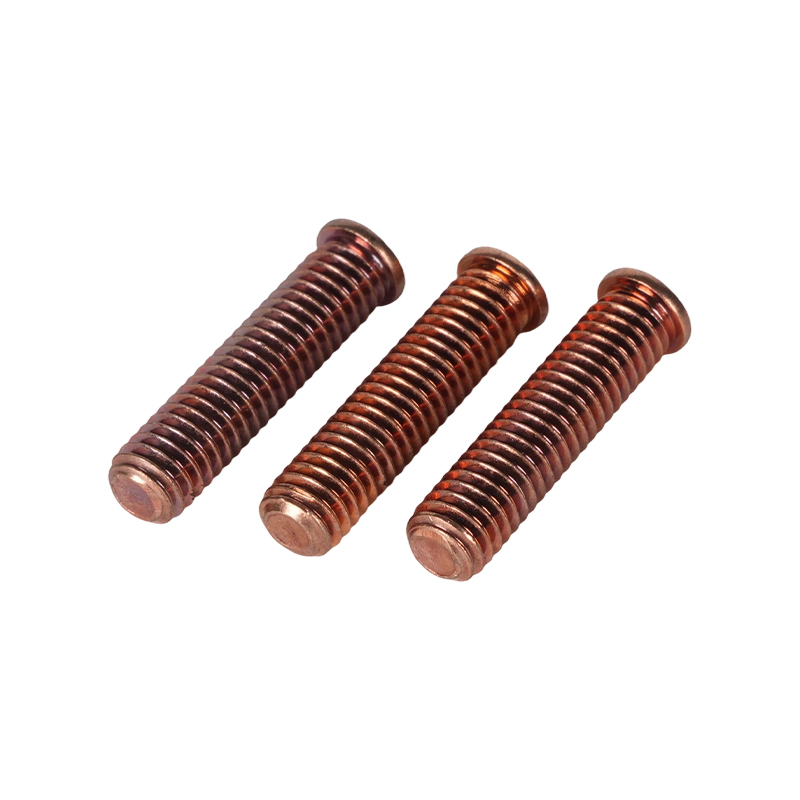
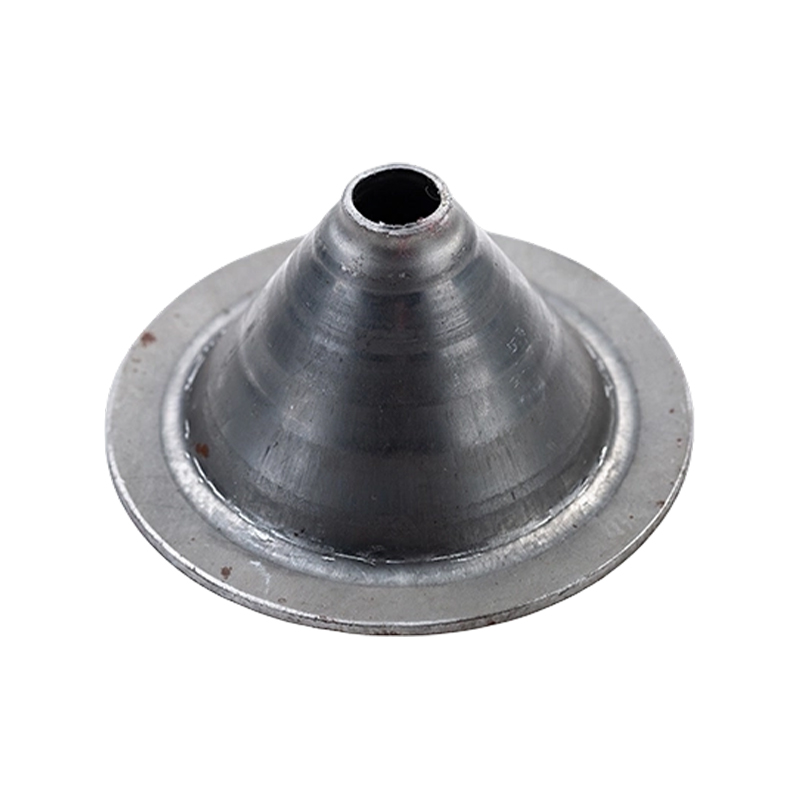
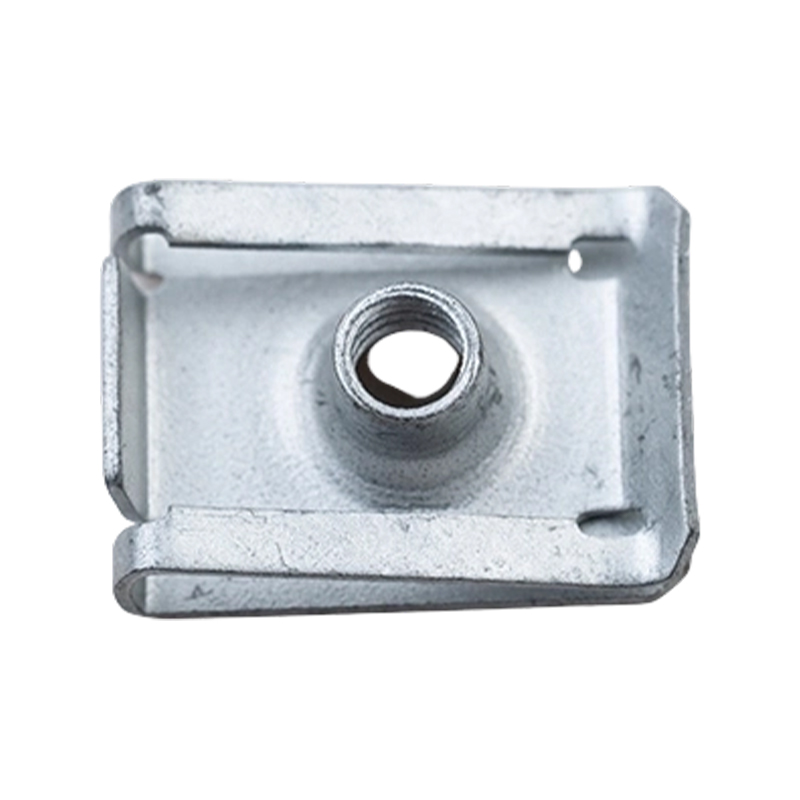
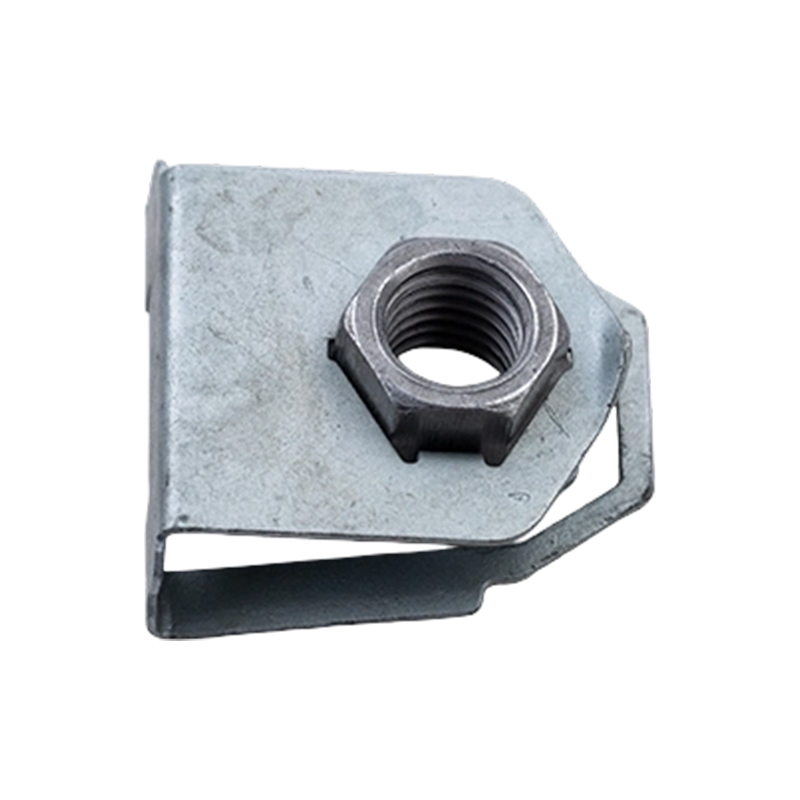
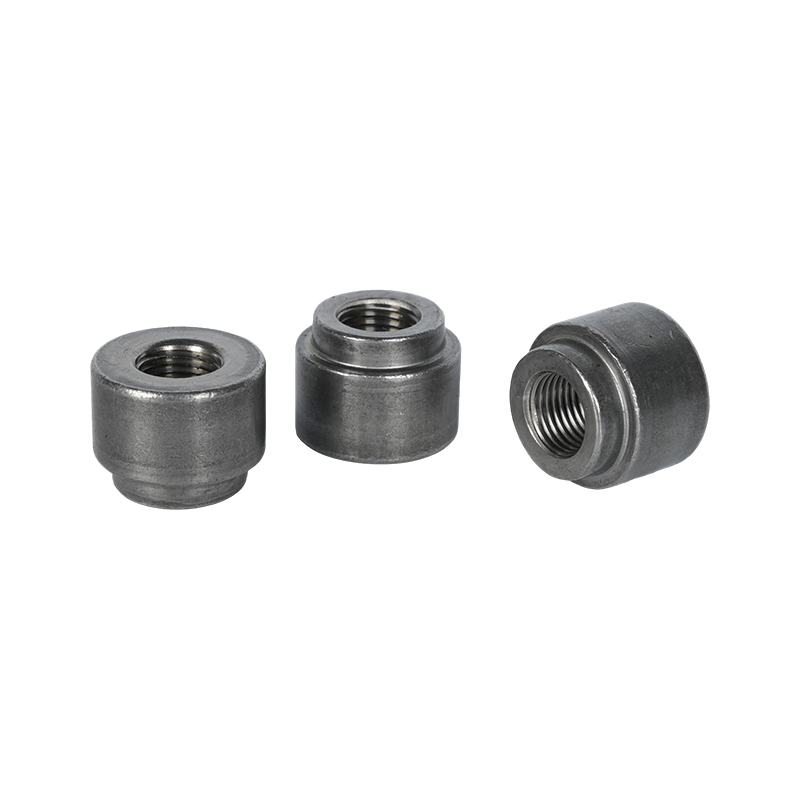
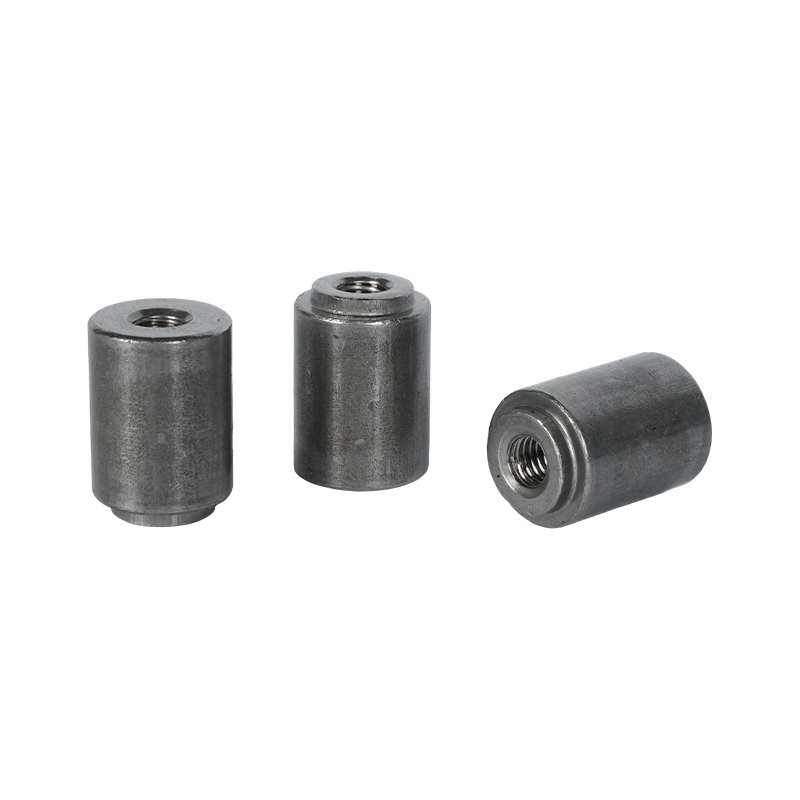
A: A weldable spacer with internal thread is manufactured from material grades and with geometries compatible with welding attachment to a base workpiece, enabling permanent positioning. The internal thread provides a fastening point for subsequent component attachment, whereas standard spacers are typically unthreaded and used only for spacing functions.
Q: Can these spacers be supplied in non-standard thread sizes?
A: Thread sizes outside the standard range can be manufactured upon request, subject to tooling availability and minimum order quantity requirements. Custom dimensional specifications are evaluated on a per-order basis.
Q: Are these spacers reusable after welding?
A: The welded configuration is intended for permanent installation. Once welded to a workpiece, the spacer is fixed in position and cannot be removed without destructive methods. The internal thread remains usable for component attachment throughout the service life of the assembly.
Q: What welding methods are compatible with this product?
A: The spacer can be attached using welding processes compatible with the spacer material grade and workpiece material. Resistance welding and projection welding are commonly used methods, with welding parameters set based on material grade, thickness, and equipment specifications.
Q: What is the recommended tightening torque for fasteners used with these spacers?
A: Tightening torque values are determined by the internal thread size, fastener grade, and application load requirements. Torque specifications should be obtained from engineering standards or calculation methods defined in fastener design guidelines, considering friction conditions influenced by surface treatment and lubrication.
Q: Are there specific storage requirements for weldable spacers?
A: For uncoated carbon steel spacers, storage in dry conditions with controlled humidity is recommended to prevent corrosion prior to installation. For zinc plated spacers, storage should maintain coating integrity by avoiding abrasive contact or impacts that may affect coating performance.