Zhejiangxinye Automobile Technology Co. , Ltd.
About Xinye
Since 1995, Fastening Global Auto Safety

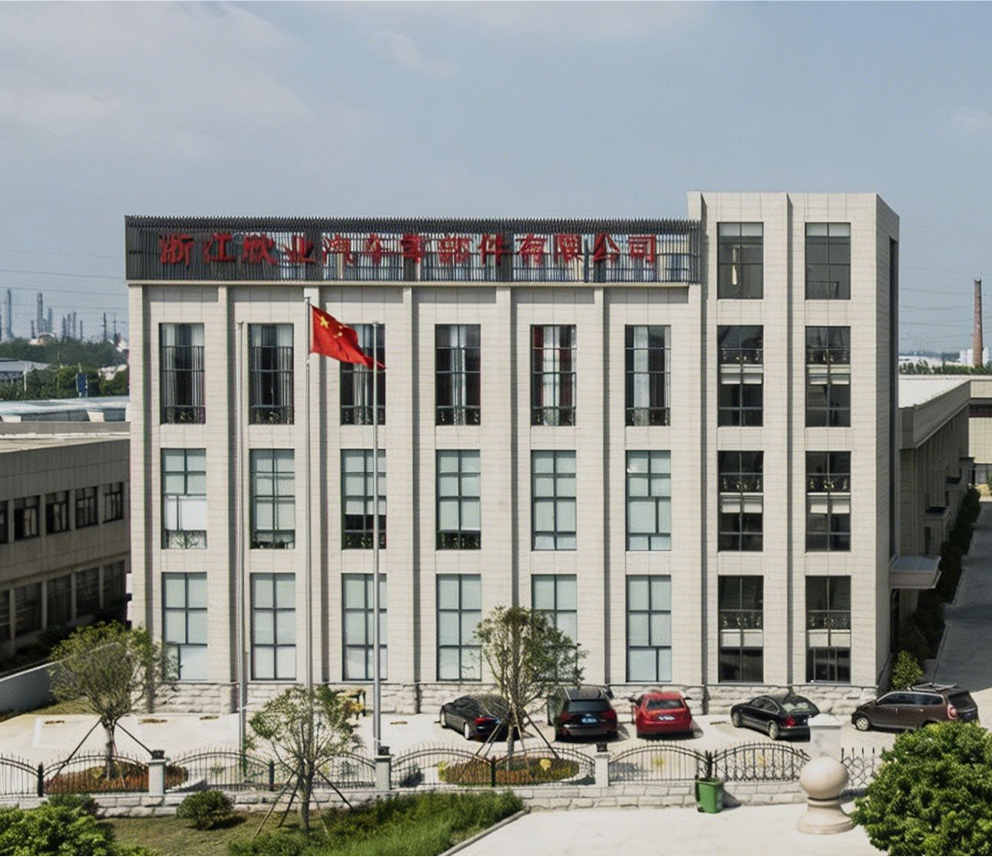
Founded in 1995, Zhejiang Xinye Auto Parts Co., Ltd.

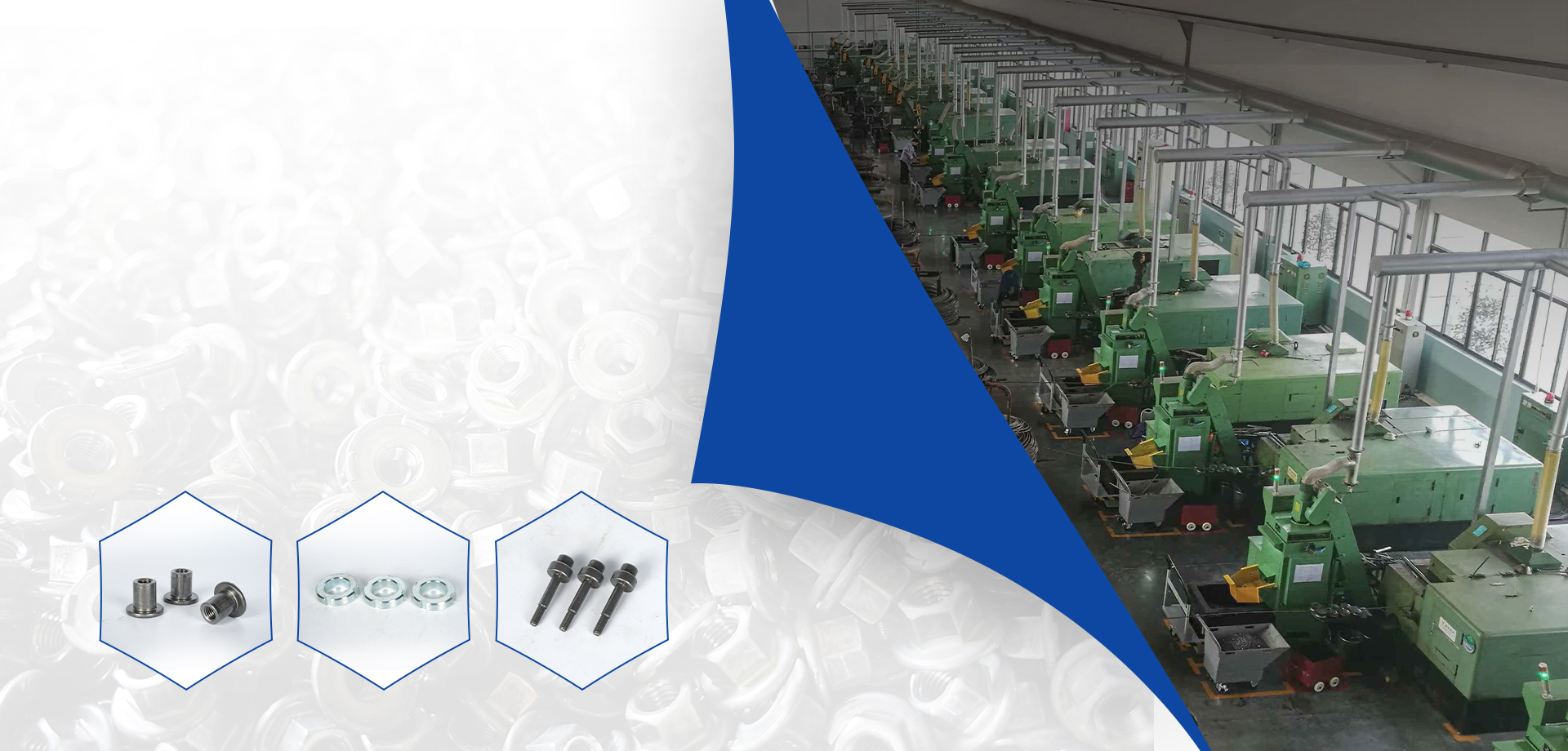
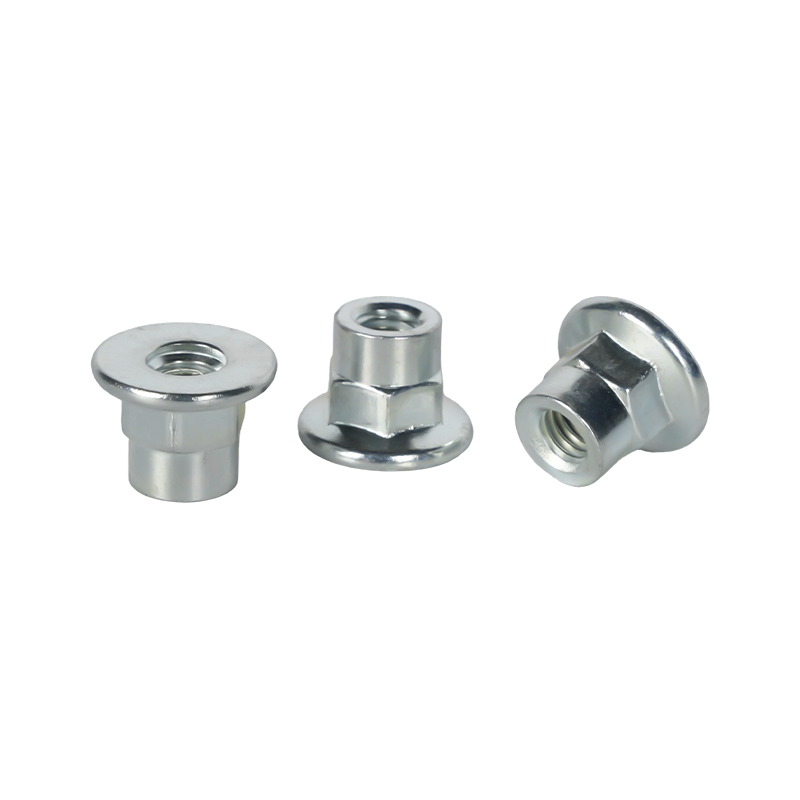
has been dedicated to the R&D and manufacturing of automotive fasteners and stamping parts (e.g., flange nuts, welding nuts) for over 30 years. Certified to IATF 16949-2016, we adhere to the principle of "surviving by quality, developing by innovation." With a complete management system and standardized processes, from raw material analysis to finished product testing, we are committed to providing reliable solutions to customers worldwide.
Read More
Zhejiangxinye Automobile Technology Co. , Ltd.
Why Choose Xinye?
Zhejiangxinye Automobile Technology Co. , Ltd.
+
Zhejiangxinye Automobile Technology Co. , Ltd.
Production Capacity
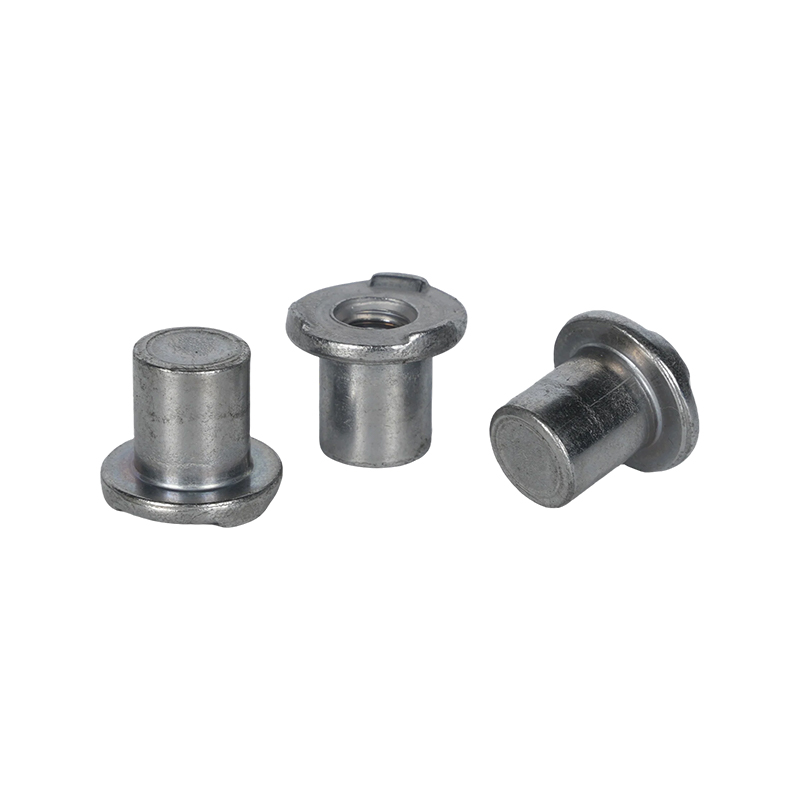
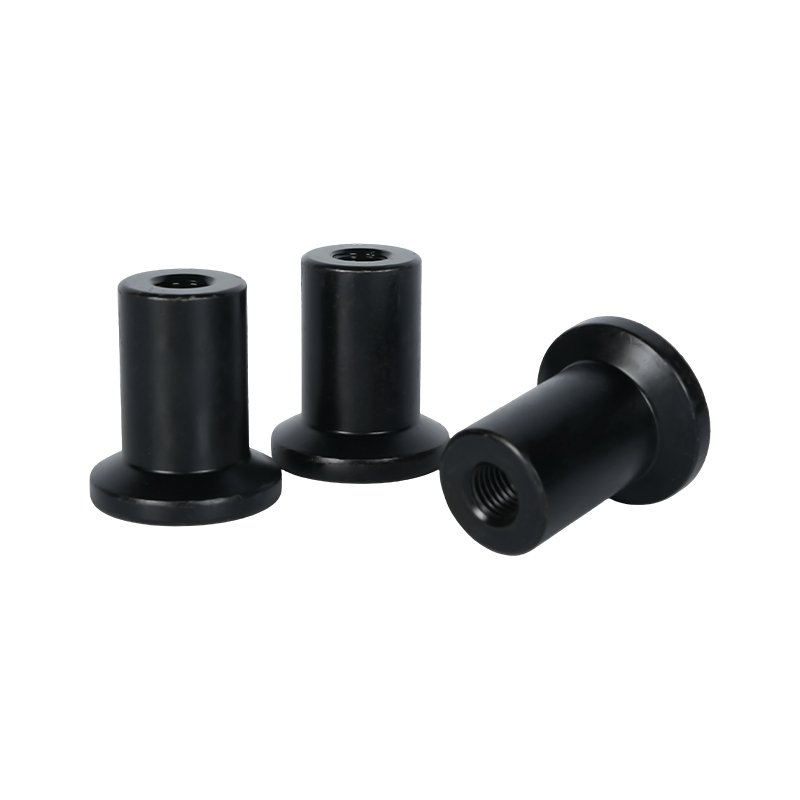
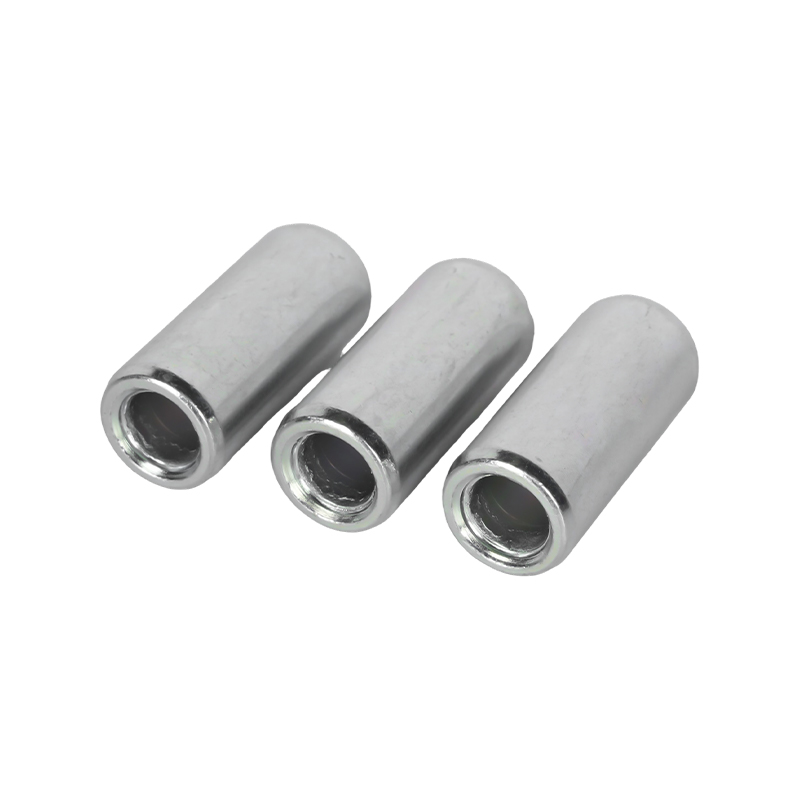
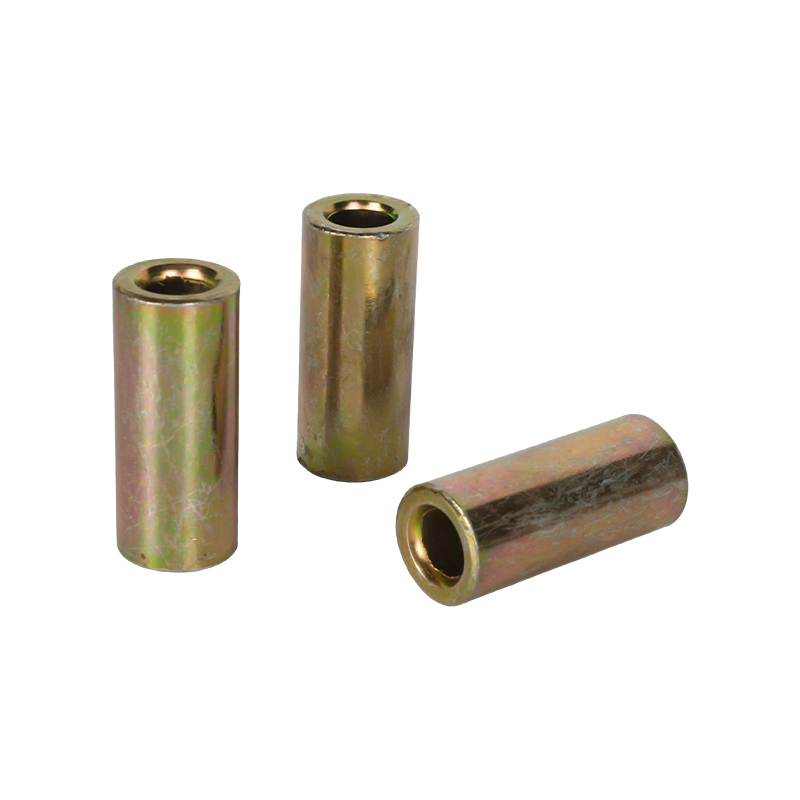
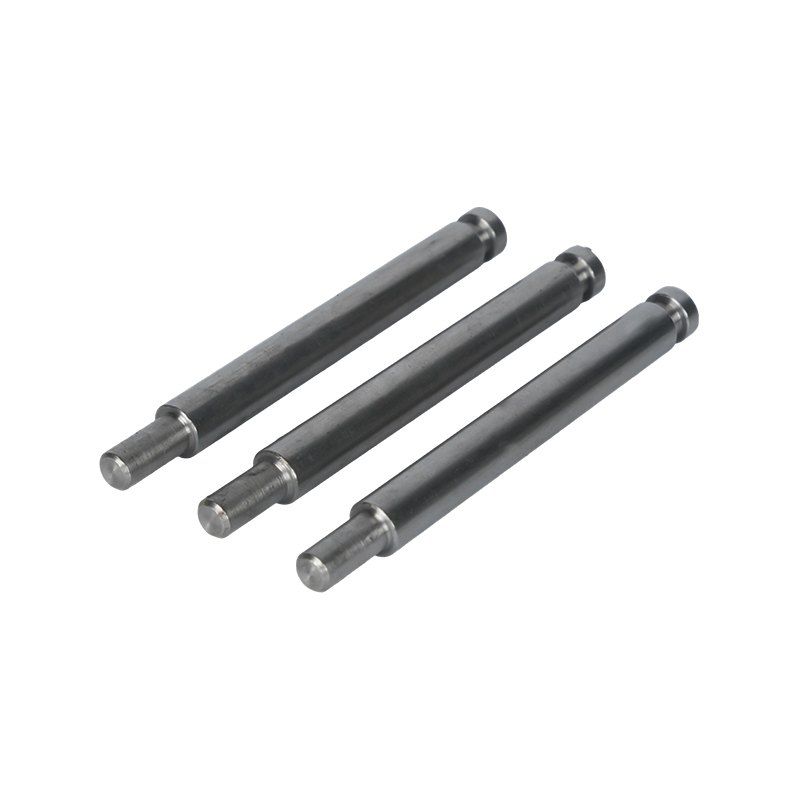
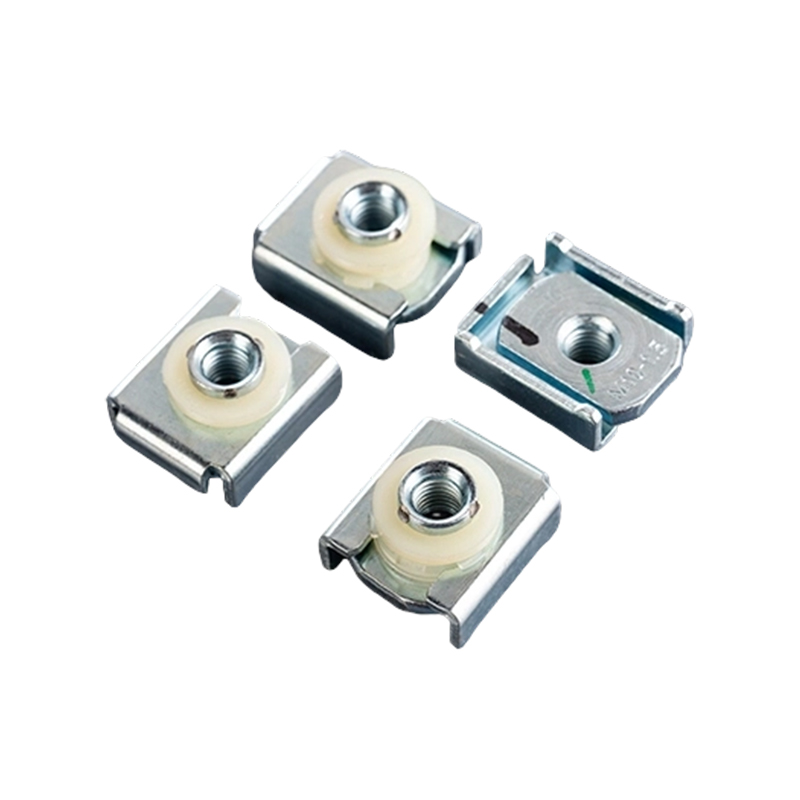
Xinye has over 30 years of experience and produces more than 500 products, including nuts, bolts, screws, and sleeves. All production is completed in-house from raw materials to finished goods.
+
Zhejiangxinye Automobile Technology Co. , Ltd.
R&D & Technology
We continuously achieve breakthroughs in strength, precision, weather resistance, and structure to provide more reliable fastening solutions.
+
Zhejiangxinye Automobile Technology Co. , Ltd.
Quality Control
We have established a full-chain quality inspection system and are certified to IATF 16949-2016.
+
Zhejiangxinye Automobile Technology Co. , Ltd.
Green & Safety
We promote lightweight and modular R&D, focusing on safety, environmental friendliness, and comfort.
What'S News
  • Company News
    2026.07.22
    The hidden "framework": Suspended installation sleeves are moving towards precision and platform-based development.
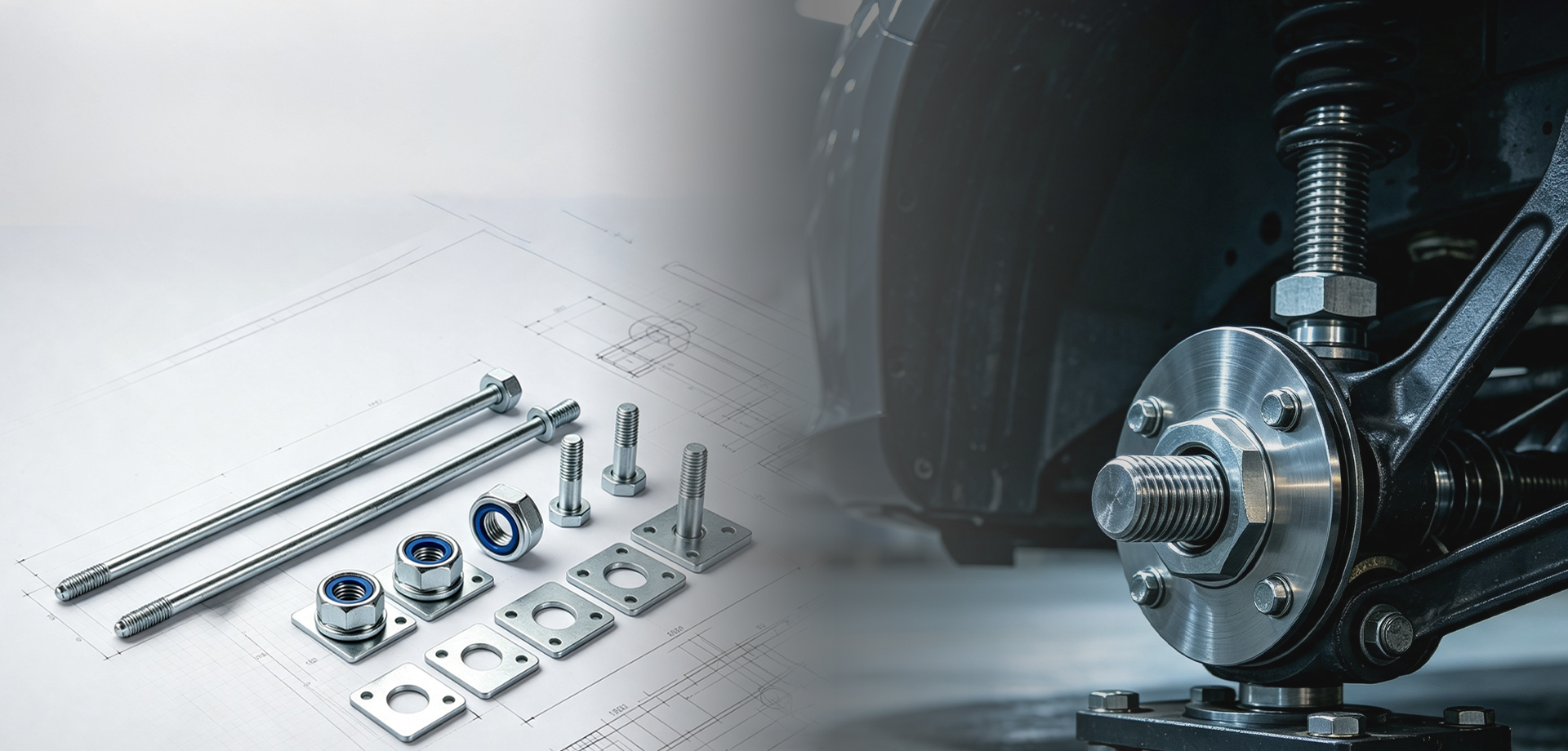
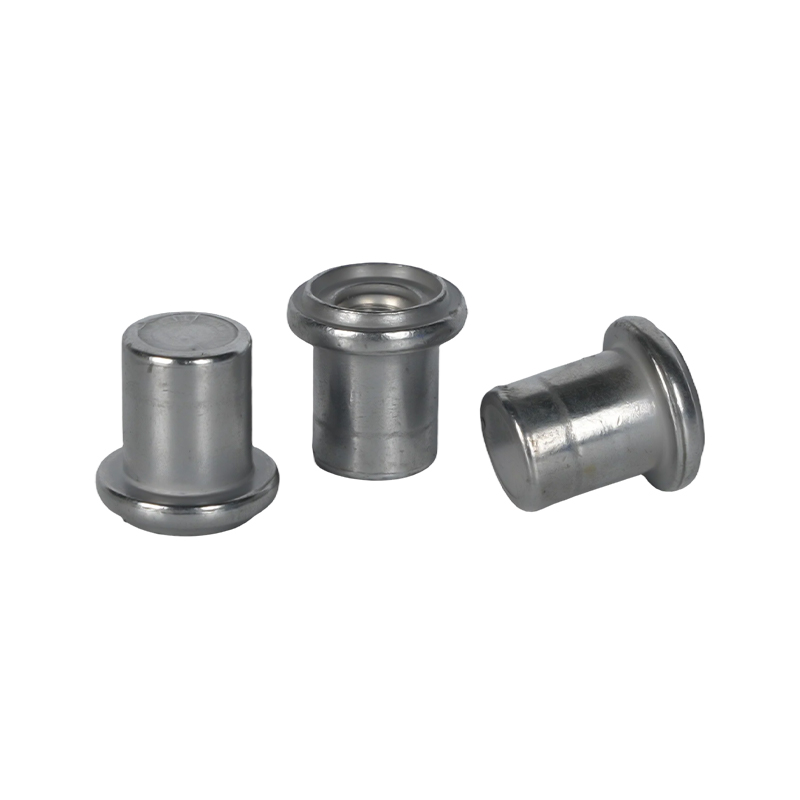
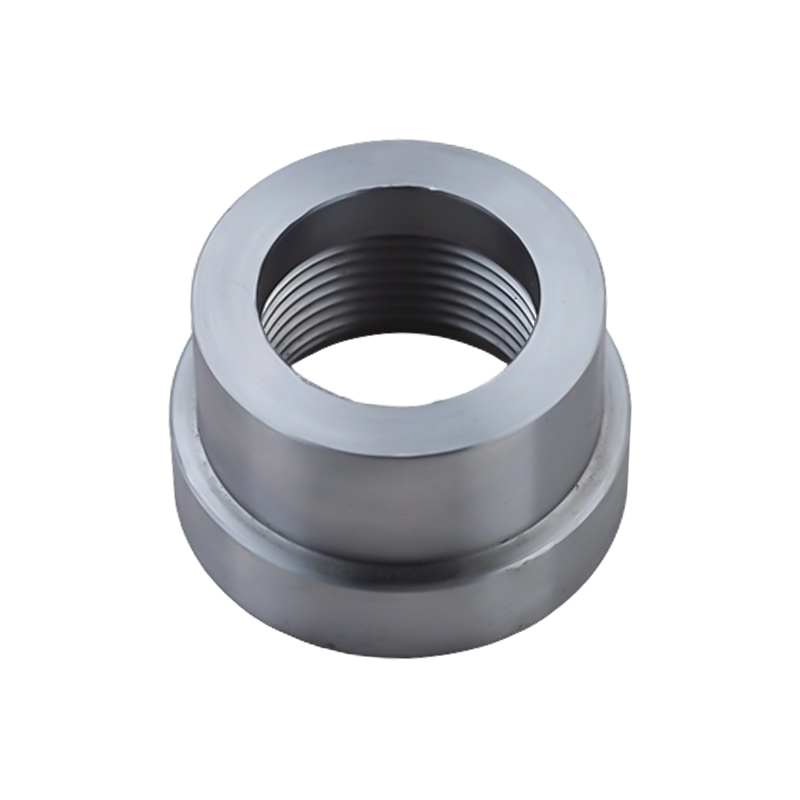
    From structural connections to system-function integration, innovations in housing design have enhanced the performance of the vehicle suspension system. In the automotive powertrain and chassis suspension systems, there is a seemingly ordinary but extremely crucial core component - the suspension mounting sleeve. It serves as the "framework" that connects the suspension bracket to the subframe, transmits loads, ensures assembly accuracy, and supports the suspension system. As the requirements for NVH (noise, vibration, and sound vibration roughness) performance and lightweighting of the entire vehicle continue to increase, this basic component is undergoing a technological transformation from a "structural part" to a "functional part". What is a suspended installation tube? It is not just a "precise channel"The suspended installation tube is a metal tubular component that is welded or pressed into the installation holes of the sub-frame suspension bracket. It is usually combined with the inner connection plate and the outer connection plate to form a suspension bracket assembly, providing precise installation positioning and structural support for the suspension system. Its core function lies in: providing precise channels and reliable support for the suspended installation, ensuring that the load of the powertrain or chassis components can be effectively transferred to the vehicle body through the suspension system; at the same time, by coordinating with the inner and outer sleeves of the suspension, it achieves precise control of the dimension chain, guaranteeing the assembly accuracy of the entire vehicle. Structural design is continuously optimized to meet demanding conditionsWith the deepening of platform-based vehicle development, the design of suspension mounting sleeves is also constantly evolving. Traditional sleeves are mostly single tubular structures, while the latest technology has developed a split-type assembly design. For instance, the utility model patent authorized by Great Wall Automobile in October 2025 proposed a suspension sleeve structure composed of multiple fan-shaped branch pipes assembled. Different rubber with different stiffness can be vulcanized on each branch pipe to form a performance-differentiated suspension assembly, effectively expanding the product application range and reducing processing costs. At the practical application level, a patent of Chery Automobile demonstrates an integrated solution for installing suspension brackets on the upper and lower beams of the sub-frame. In this solution, the two ends of the sleeve are welded to the inner and outer connecting plates, respectively, and the suspension is placed inside the sleeve. This not only significantly increases the stiffness of the suspension bracket, but also uses the suspension bracket to provide support for the upper and lower beams of the sub-frame, enhancing the overall stiffness of the sub-frame. At the same time, it fully utilizes the space of the sub-frame and effectively reduces the occupation of the chassis. Anti-defect design enhances assembly efficiencyIn the manufacturing and assembly process, for the problem of incorrect assembly of similar but functionally different sleeves, the industry has developed anti-defect assembly structures. By setting differentiated anti-defect holes with different diameters and depths on sleeves of different thicknesses, and combining with special positioning pins, it ensures that operators can easily distinguish and correctly assemble, thereby reducing the workload of quality inspection, improving production efficiency and assembly quality. The application scope is continuously expanding, with new energy and intelligence becoming the main driving forces.The performance of the suspension installation kit directly affects the reliability and comfort of the entire vehicle. In the field of new energy vehicles, the drive motor's output torque increases sharply when starting, and frequent starting and stopping place higher demands on the lateral positioning ability and stiffness of the suspension system. As the structural foundation of the suspension system, the design quality of the kit directly relates to the performance of the suspension vibration isolation.
    Read More
  • Company News
    2026.07.13
    Standard setting, process upgrading: Round welding nuts embark on a new stage of high-quality development.
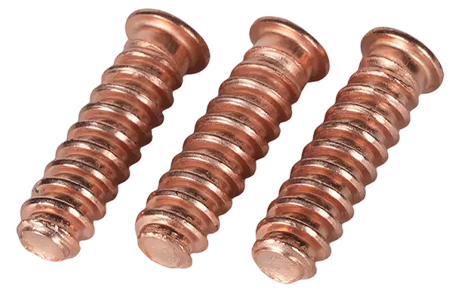
    In the precise connection system of automotive manufacturing and heavy machinery, there is a type of nut that can be permanently fixed through welding without requiring any space for a wrench - the round welding nut. With its unique advantages of compact structure and high connection strength, it has become a core component in the welding assembly process. With the upcoming implementation of new industry standards in the automotive sector, this specialized field is entering a new stage of standardized and high-quality development. What is a round welding nut? "Welding" means "permanent fixation"A round welding nut is a type of fastener with a circular or circular flange shape, which is fixed to a metal sheet through welding. Unlike traditional nuts that require a wrench to tighten, the round welding nut achieves a secure and permanent connection by fusing the nut and the base material through resistance welding or arc welding. "The core value of this technology lies in 'welding as fixation' - there is no need to reserve space for a wrench, and after welding, the bolts can be directly inserted to complete the assembly," an industry technician explained. "This connection method not only significantly improves the assembly efficiency, but its circular design also enables it to adapt to installation scenarios with limited space. It is particularly widely used in thin plate connection parts such as car bodies and chassis." New standards have been released, accelerating the process of industry standardization.In December 2025, the Ministry of Industry and Information Technology officially issued the automotive industry standard QC/T 1254-2025 "Automotive B-Type Welded Round Nut". It will come into effect on July 1, 2026. This standard stipulates the type and size, technical conditions, and product number of automotive B-type welded round nuts with thread specifications ranging from M5 to M12, mechanical performance grades of 8 and 10, and product grades of A. Before this, the industry mainly referred to the QC/T 867-2011 "Welding Round Nuts" standard, which was applicable to automotive welding round nuts with thread specifications ranging from M4 to M12 and performance level 8. The introduction of the new standard has included level 10 high-performance products in the regulations, imposing stricter requirements on technical conditions, marking the development of round welding nuts towards higher strength and greater standardization. The product features are outstanding, meeting diverse connection requirements.The round welding nuts have distinctive characteristics in the product design. Their circular shape makes them particularly suitable for installation scenarios where space is limited and wrenches cannot be used; after being connected through welding, the nuts form a permanent bond with the substrate, and their anti-loosening performance is superior to that of traditional threaded connections. The common round welding nuts available in the market currently have thread specifications ranging from M5 to M12, and mechanical performance grades covering 8 and 10. The surface treatment options include natural color or galvanization. Custom processing can also be provided according to customer requirements. In automotive manufacturing, these nuts are widely used in key areas such as body panel connection and chassis component fixation. The application scope of the layout is continuously expanding, and the automotive industry is the main battlefield.The application of round welding nuts is centered around automotive manufacturing and radiates to multiple fields. In the automotive industry, it is widely used in thin plate welding connection parts such as body panels, chassis structural components, and seat frames. In addition, in the fields of home appliance manufacturing, construction machinery, and rail transportation equipment, round welding nuts have also gained increasingly widespread application due to their reliable welding fixation. The market has broad prospects, and the industry is moving towards high performance.Data from market research institutions shows that with the rapid development of the automotive industry, especially in the field of new energy vehicles, the demand for high-strength and highly reliable fastening and connecting components continues to increase. The round welding nuts, as key components of the welding assembly process, have seen a steadily expanding market size. Looking to the future, the round welding nut industry is evolving towards higher performance, standardization, and greenification. On one hand, the implementation of new standards will promote the widespread application of high-strength products such as grade 8 and grade 10; on the other hand, with the increase in the demand for automotive lightweighting, higher requirements have been put forward for the material performance and welding process compatibility of welding nuts. At the same time, the integration of automated welding production lines and intelligent manufacturing systems will bring about a dual improvement in efficiency and quality for the production and manufacturing of round welding nuts. This tiny nut, which is "permanently fixed" through welding, is playing an increasingly important role in the precise connection system of automotive manufacturing and high-end equipment.
    Read More

  • Company News
    2026.07.08
    Small nuts, big protection: The cover-shaped nut industry is experiencing rapid growth.
    It combines the functions of sealing protection and safety aesthetics, and is expected to have an average annual compound growth rate of 5.1% in the market. Among the vast family of industrial fasteners, a unique-shaped nut with a "sealing cap" on its top - the cap-shaped nut - is emerging as a "new favorite" in the field of connectors due to its outstanding rust-proof protection performance and elegant appearance design. From car tires, outdoor lamp stands to mechanical equipment, this "hatted" nut is silently safeguarding the safety and lifespan of countless critical connection points. What is a cap-type nut? Beyond "anti-rust"A cap-type nut, as the name suggests, is a fastener that adds a sealing cap structure to the top of the standard hexagonal nut. This seemingly simple design has solved the core problem that traditional threaded connections have long faced: the rusting and jamming caused by exposed threads. "The core function of this product is to prevent moisture, dust and corrosive substances from entering the internal part of the thread," an industry technical expert explained. "This not only significantly extends the service life of the bolts and the connecting components, but also the dome-shaped closed end covers the sharp thread ends, enhancing the installation safety and giving the equipment a neater and more aesthetically pleasing appearance." Diversified development, meeting demanding conditionsAs industrial scenarios become increasingly complex, conical nuts have evolved into a rich product family to meet various needs. Currently, the mainstream types on the market include standard hexagonal conical nuts (GB/T 923, DIN 1587), short conical nuts (DIN 917), and combined conical nuts (GB/T 802.1), etc. In terms of materials and craftsmanship, the products are mainly divided into two main routes: one is to use carbon steel and undergo surface treatments such as blue zinc and white zinc, achieving anti-corrosion at an economical cost; the other is to directly select 304 or 316 stainless steel (A2-70/A4-70 grades), relying on the inherent corrosion resistance of the material to cope with strong corrosive environments such as those in chemical industries and oceans. Moreover, the new patents disclosed in 2023 and 2025 show that the industry is addressing the problem of self-tightening anti-loosening components and optimizing expansion and tightening structures to solve the issue of cover-type nuts being prone to loosening in vibrating environments, thereby further enhancing their reliability. The application scope of the layout continues to expand, covering multiple fields.The application of conical nuts has deeply penetrated into all aspects of the national economy. In the automotive industry, it is widely used for fixing tires and front and rear axles, withstanding long-term exposure and vibration tests. In outdoor facilities, it is an ideal choice for fixing the base of street lamps and railing systems. At the same time, in furniture, electrical appliance shells, architectural decoration and mechanical equipment manufacturing, it also plays a key role in enhancing connection safety and aesthetics.
    Read More
Zhejiangxinye Automobile Technology Co. , Ltd.
Get In Touch
Focus on the research, development, production and export of automotive components