Frequently Asked Questions
Q: What is the purpose of the weld projections?
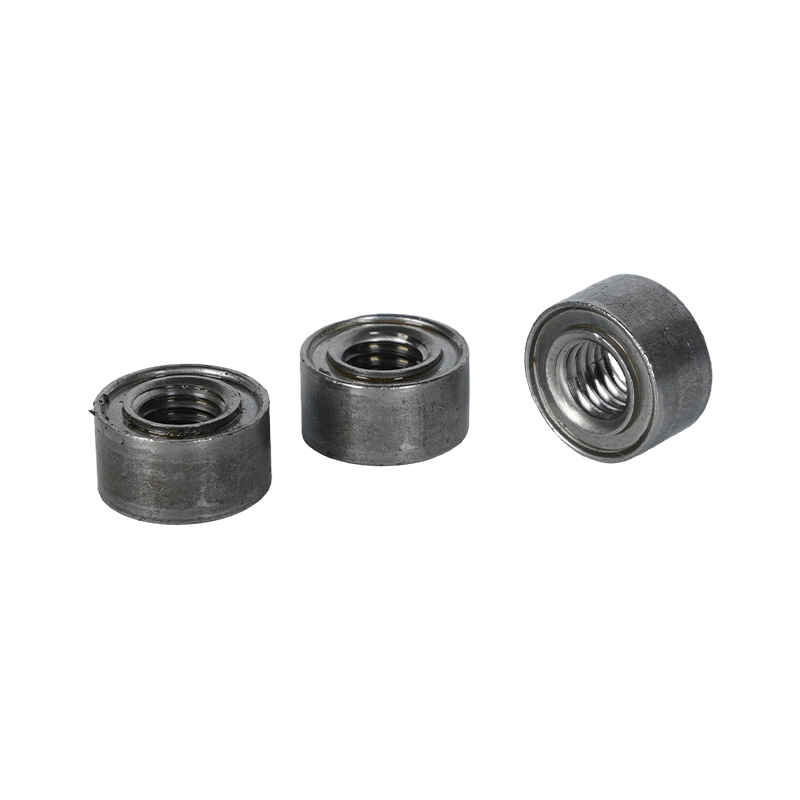
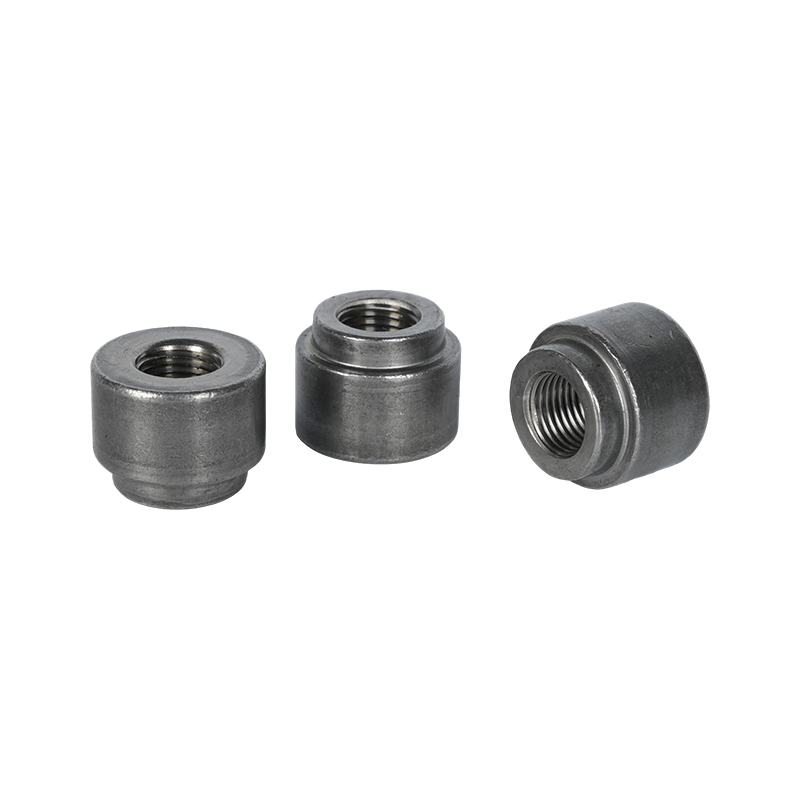
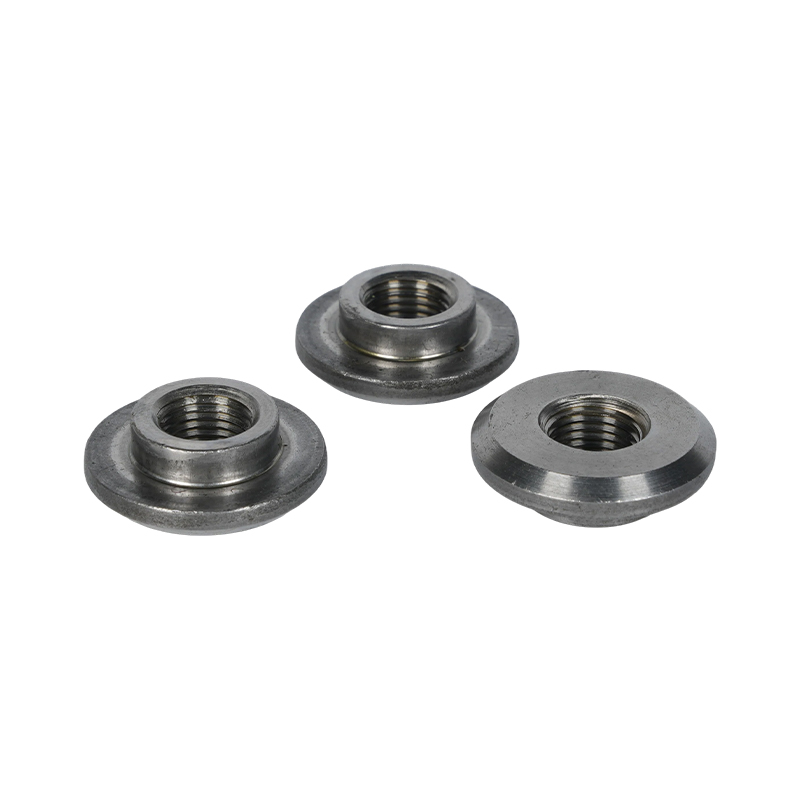
A: The weld projections are small raised dimples on the welding face that concentrate electrical current and heat during resistance welding. As the fastener material softens due to heating, the applied force causes the projections to flatten as the weld forms, creating a permanent bond between the nut and workpiece.
Q: What welding methods are compatible with this product?
A: Projection welding and resistance welding are the primary methods used. Projection welding concentrates current at the projection points, where the contact area between the electrode and nut and between the workpiece and electrode is greater than at the projections, causing heating to occur at the projection locations.
Q: Can these nuts be reused after welding?
A: The welded configuration is intended for permanent installation. Once welded, removal typically requires destructive methods such as grinding or cutting. The internal thread remains usable for component attachment throughout the service life of the assembly.
Q: What is the recommended tightening torque for fasteners used with these nuts?
A: Tightening torque values are determined by the internal thread size, fastener grade, and application load requirements. Torque specifications should be obtained from engineering standards or calculation methods defined in fastener design guidelines, considering friction conditions influenced by surface treatment and lubrication.
Q: Are these nuts available in stainless steel?
A: Yes. Stainless steel grades such as 300 Series stainless steel (including 303 and 18-8) are available for corrosion-resistant applications. Stainless steel weld nuts are typically passivated per ASTM A380 after manufacturing.
Q: What is the typical tensile strength of carbon steel weld nuts?
A: For low-carbon steel weld nuts (e.g., C1010), typical mechanical properties include tensile strength of approximately 60,000 psi and yield strength of approximately 30,000 psi. Strength properties vary based on material grade and heat treatment specifications.