

 Español
 عربى
product
product
product
product
product
product
product
product
product
product
product
product
product
product
product
product

Product Category
Contact us
Seat Adjustment Shims & Seat Spacer Nuts Suppliers
-
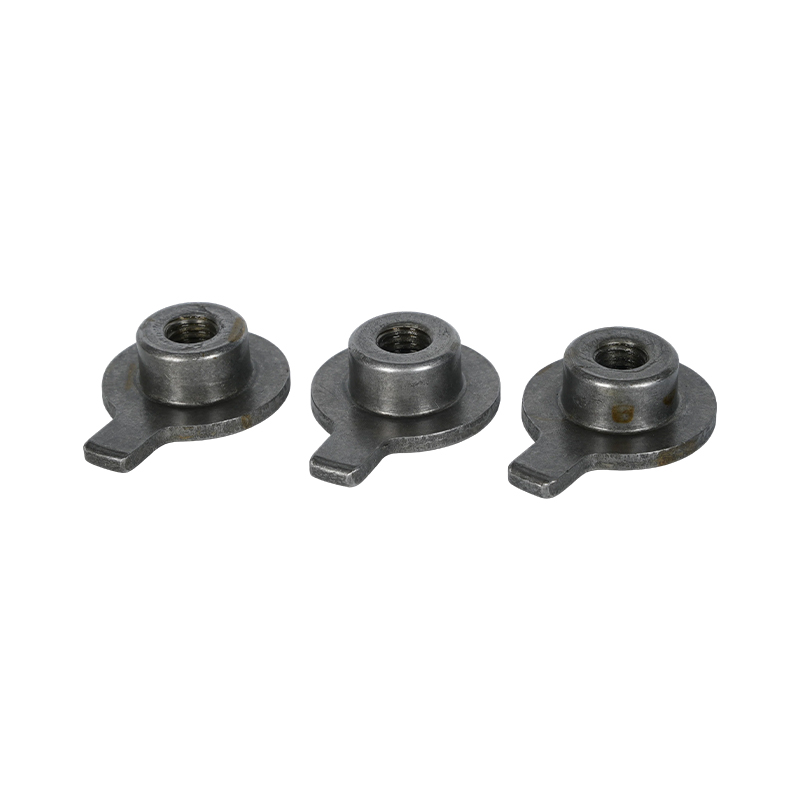
One-Piece Weld Nut With Single T Locating Tab Washer
-
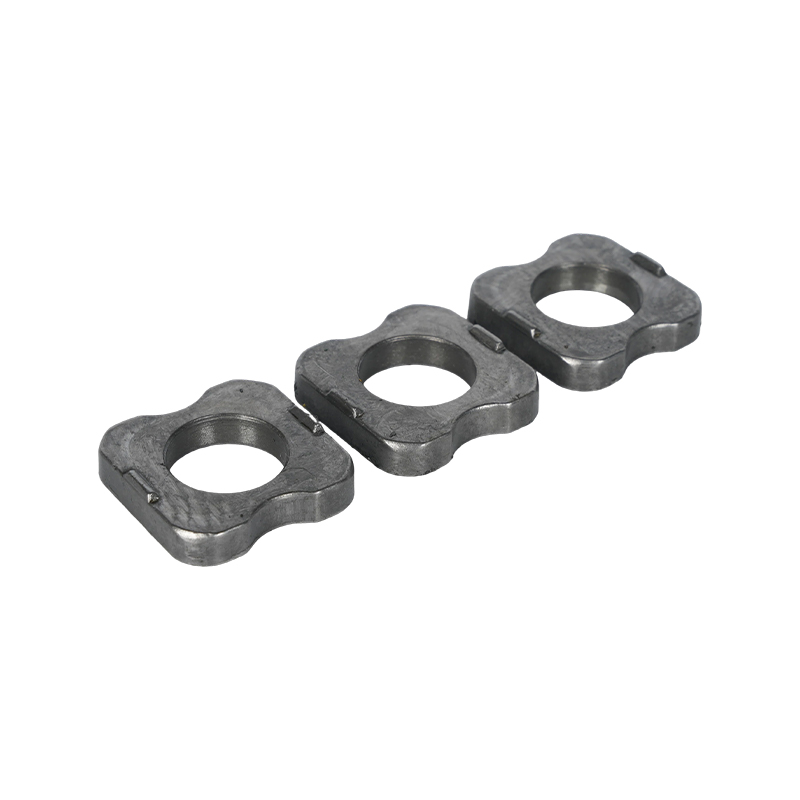
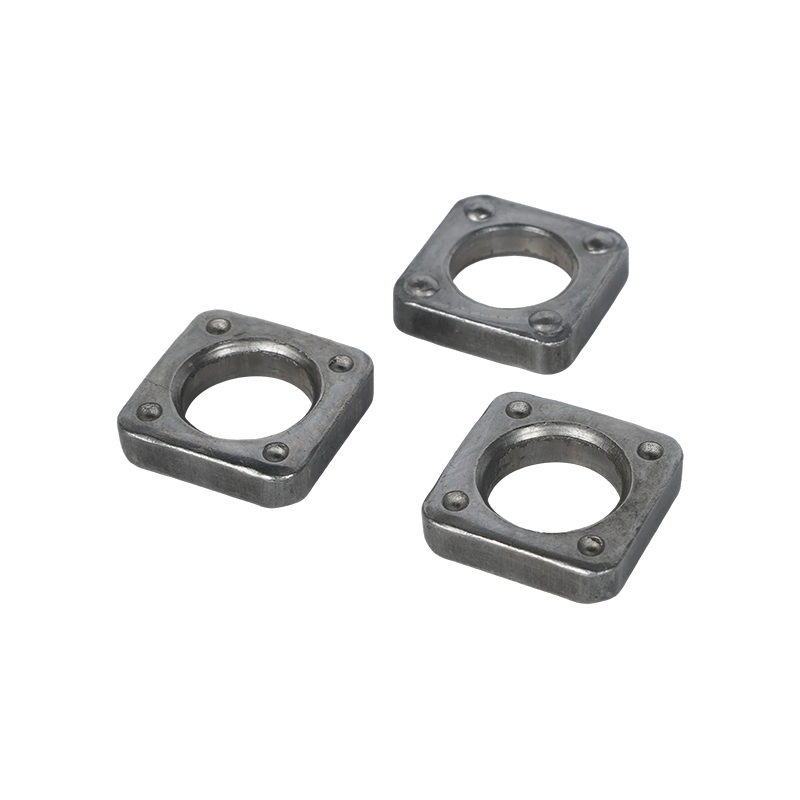
Four Locating Tab Square Weld Spacer
-
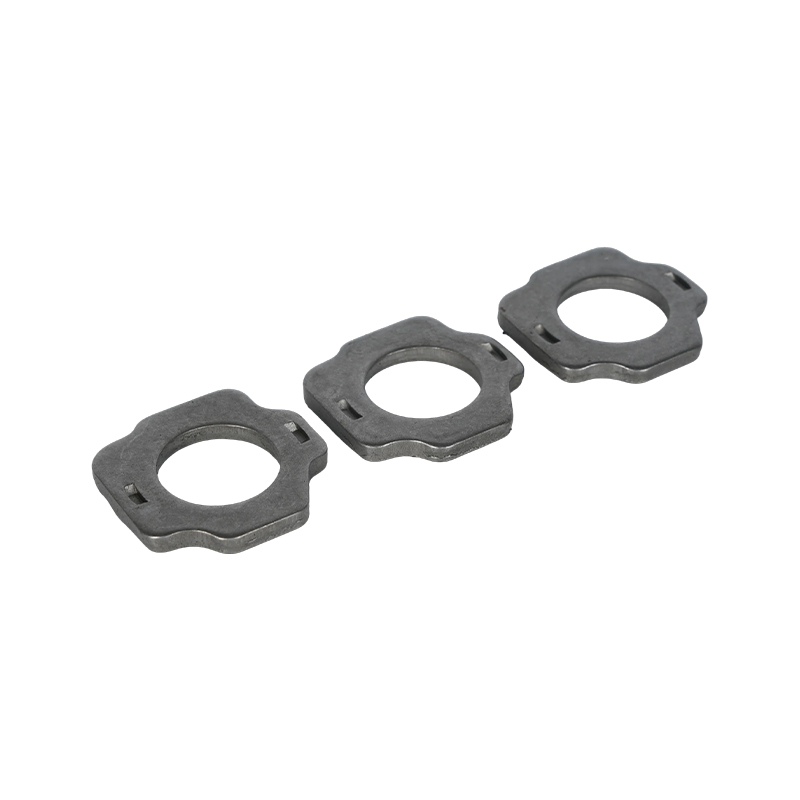
Quatrefoil Weld Spacer With Two Locating Slots
-
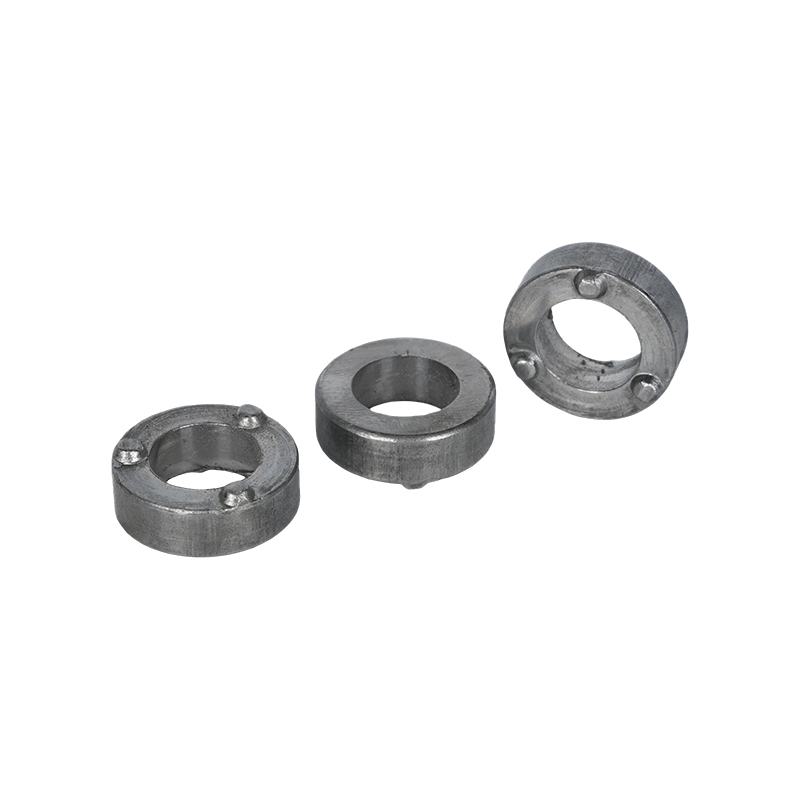
Carbon Steel Round Weld Spacer Sleeve For Vehicle Body Connection
-
Carbon Steel Square Weld Spacer For Vehicle Body Connection Assembly
-
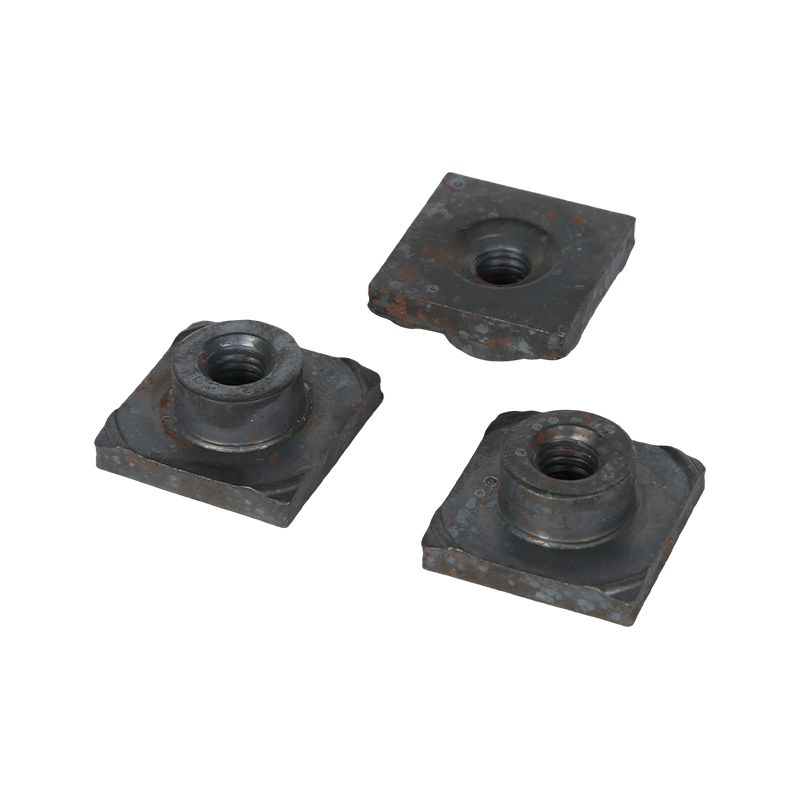
Carbon Steel One-Piece Square Base Weld Nut Plate
Message Feedback
About Us
30 Years of Expertise in Automotive Fasteners
Zhejiangxinye Automobile Technology Co. , Ltd. traces its origins to 1995, evolving from Jiaxing Zhapu Xinye Standard Parts Co., Ltd. We are China Seat Adjustment Shims & Seat Spacer Nuts Suppliers and Custom
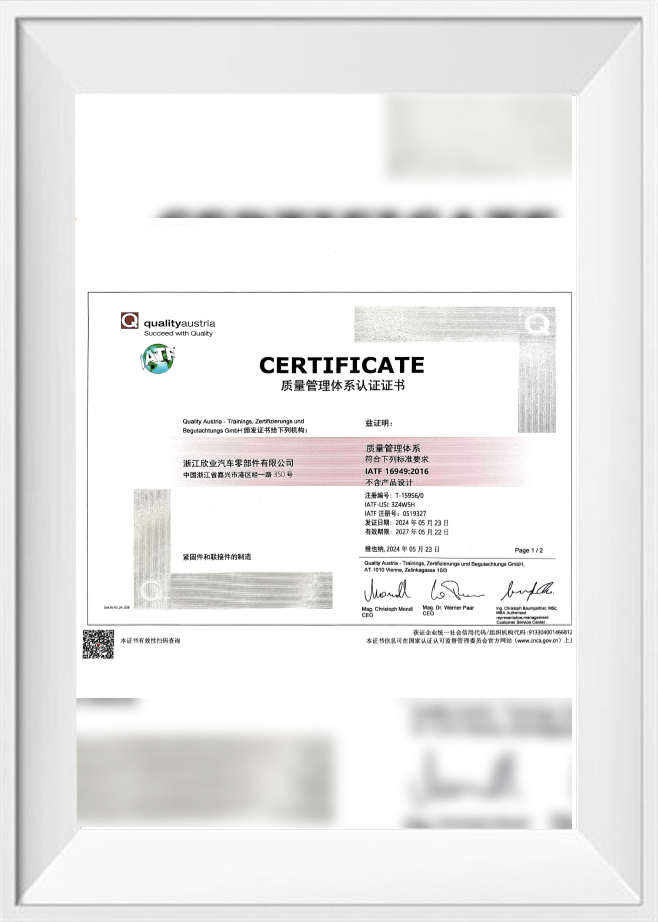
Seat Adjustment Shims & Seat Spacer Nuts factory. The company specializes in the production of various automotive fasteners and stamping parts, including flange nuts, welding nuts, and more. For over 30 years, Xinye has kept pace with industry trends, focusing on technological innovation and internal management, and has achieved steady growth. The company is now certified to IATF 16949-2016.
Adhering to the principle of "surviving by product quality, developing by technological innovation," Xinye takes quality as its foundation and customer satisfaction as a top priority, committed to providing suitable and reliable products. To enhance product competitiveness and strengthen employee quality awareness, the company has established a sound management system and standardized process flows. Work instructions have been developed for special and critical processes, and strict quality inspections are conducted at every step. From raw material analysis to finished product mechanical performance testing, process control is implemented to ensure product conformity. The continuously improving quality management system and stable product performance have earned the company market recognition, as well as customer trust and praise.
Adhering to the principle of "surviving by product quality, developing by technological innovation," Xinye takes quality as its foundation and customer satisfaction as a top priority, committed to providing suitable and reliable products. To enhance product competitiveness and strengthen employee quality awareness, the company has established a sound management system and standardized process flows. Work instructions have been developed for special and critical processes, and strict quality inspections are conducted at every step. From raw material analysis to finished product mechanical performance testing, process control is implemented to ensure product conformity. The continuously improving quality management system and stable product performance have earned the company market recognition, as well as customer trust and praise.
-
0m2
Factory Area
-
0
Brand Origin
-
0+
Product Range


Zhejiangxinye Automobile Technology Co. , Ltd.
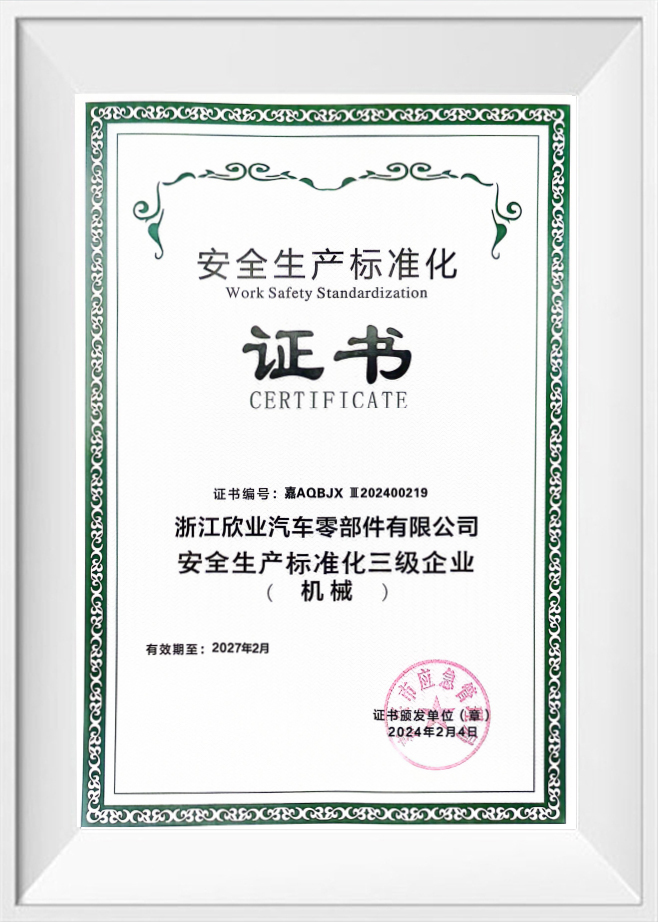
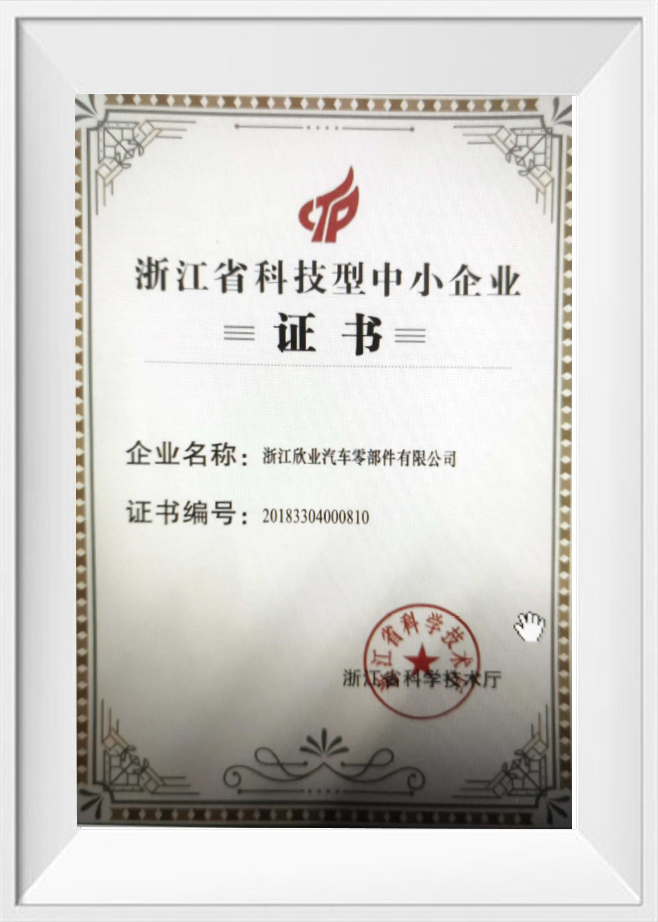
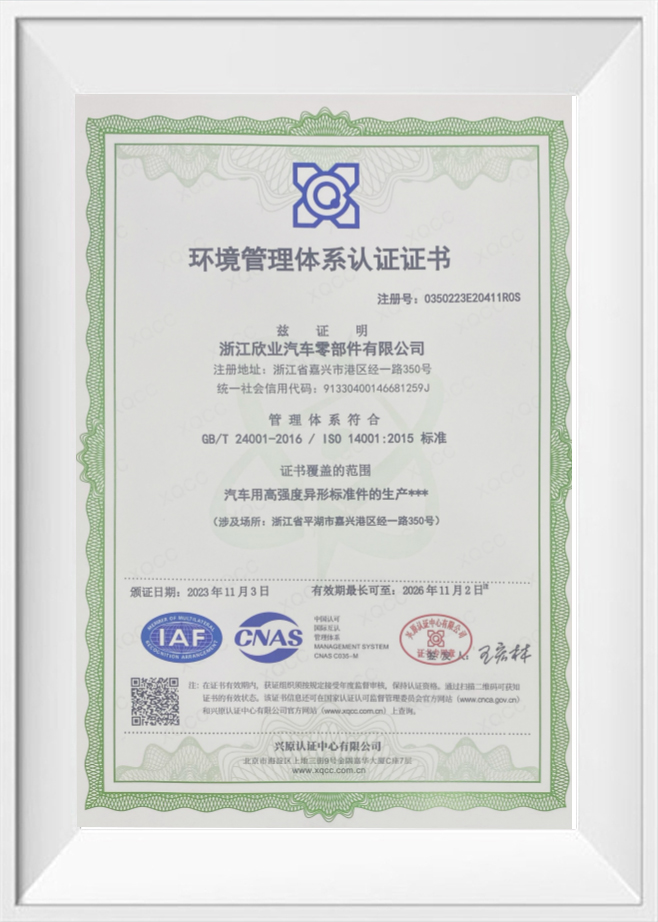
Certificate Of Honor
What’s News
Industry Insights & Updates
View All News
-
2026-11-03Industry News
-
2026-11-03Industry News
-
2026-11-03Industry News
Seat Adjustment Shims & Seat Spacer Nuts Industry Knowledge
Seat Adjustment Shims & Seat Spacer Nuts Built to Drawing
As a Custom Seat Adjustment Shims & Seat Spacer Nuts Suppliers, Exporter, we match product configuration to the application, operating limits, interfaces and acceptance criteria defined for each project.
Zhejiangxinye Automobile Technology Co., Ltd. has produced automotive fasteners and stamping parts since 1995, and Seat Adjustment Shims & Seat Spacer Nuts are one of the specialty groups we manufacture for seat structure and body-in-white programs. Each part locates sheet metal before welding, sets stack height between the seat track and the floor pan, and carries clamp load through the joint. We produce them to customer drawing rather than to a fixed catalogue size.
Work runs in-house from raw material analysis through cold heading, tapping, heat treatment, thread rolling and mechanical performance testing. The company is certified to IATF 16949-2016, and the same process discipline applied to our flange nuts and weld nuts governs spacer, sleeve and nut-plate production.
Our Range: Six Weld Spacer and Nut-Plate Configurations
The range covers the three joint families found on seat assembly lines: spacer parts welded into the floor or sill before paint, nut plates welded to seat frames and tracks, and locating-tab parts that index a panel through the weld cycle. Tooling is built around the drawing, so base shape, thread and locating geometry can be combined.
One-Piece Weld Nut With Single T Locating Tab Washer
A single-piece assembly that combines the nut, the washer face and a T-shaped locating tab, so a welded joint that would otherwise need a loose nut and washer stays one pick-and-place operation. See the One-Piece Weld Nut With Single T Locating Tab Washer specification.
Four Locating Tab Square Weld Spacer
Four tabs orient the spacer in a punched square hole and hold position through the projection weld cycle, which removes rotation risk on track brackets where a shifted spacer would move the seat fixing point.
Quatrefoil Weld Spacer With Two Locating Slots
A lobed outline with two slots that index against a formed rib or emboss. The shape places material where the weld current passes while keeping stack height low; details are on the Quatrefoil Weld Spacer With Two Locating Slots page.
Carbon Steel Round Weld Spacer Sleeve
A round sleeve spacer that holds distance between two body panels and provides a through-bolt path where the fixing passes a closed section, keeping the bolt from crushing the panel stack at torque.
Carbon Steel Square Weld Spacer
The square version for flat mating faces: a wider footprint spreads weld current and stabilises the panel stack during body-connection assembly.
Carbon Steel One-Piece Square Base Weld Nut Plate
A square base plate with an integrated thread, used where one welded plate must accept a bolt from the adjuster mechanism and spread the load over a wider area of thin-gauge frame steel.
Configuration Variables Across the Range
| Feature | Options We Form | What It Controls on the Vehicle |
|---|---|---|
| Base shape | Round sleeve, square plate, quatrefoil, T-tab washer | Weld footprint, contact area on thin-gauge panels, spanner clearance |
| Locating features | Single or four tabs, twin slots, plain body | Part position and anti-rotation during welding; hole alignment for the mating bolt |
| Thread | Metric size and pitch to drawing, internal thread, optional self-correcting lead-in | Assembly torque, cross-threading risk on automated drivers |
| Material and class | Carbon steel to drawing; property classes produced up to Class 12 | Clamp load, weldability, thread stripping margin |
| Surface finish | Trivalent zinc, Zn-Ni alloy, plain for weld-then-paint joints | Corrosion life in sill and underbody zones; weld current path |
| Stack height | Held within the drawing band; thread-fit control across a 0.06–0.30 mm range | Seat height, H-point consistency, gap at the trim interface |
Application Fit: Tracks, Frames, Recliners and Body Connections
Seat adjustment shims and spacer nuts sit at the interface between a moving mechanism and a fixed structure. The spacer height sets the relationship between the track and the floor, so the height band and the flatness of the bearing face matter as much as the thread. Locating tabs and slots take position out of the operator's hands and put it into the fixture.
- Track-to-floor joints — round sleeves and square spacers that hold panel distance while the bolt clamps the reinforcement.
- Seat frame and cushion pan brackets — square base weld nut plates that accept the adjuster bolt in thin-gauge steel.
- Recliner and dump-mechanism pivots — tabbed weld nuts that must not rotate once welded.
- Trim and rail interfaces — quatrefoil and slotted spacers indexed to a formed rib, where a raised outline would foul the cover.
Where the joint also needs a separate seat-belt or seat-frame fixing, our Weld Nuts series covers the wider flange-nut and welded-cap formats that share the same weld process.
Material, Thread and Coating Specification
Seat spacers are normally produced in carbon steel selected for formability and weld response, with the grade, property class and coating taken from the drawing. Low-carbon grades suit projection welding because the weld nugget forms predictably without excessive current; higher classes are chosen when the joint carries belt or mechanism loads.
- Property classes produced up to Class 12, with tolerance and hardness control as released on the drawing.
- Trivalent zinc plating with 480 h salt-spray performance, and Zn-Ni alloy plating at 480–720 h for underbody and sill locations.
- Plain-finish parts supplied for weld-then-paint sequences where coating would disturb the weld current path.
- Optional self-correcting thread lead-in on our MAT thread nuts, which guides a misaligned bolt into the thread path on automated drivers.
We confirm coating and thread class together, because a heavy zinc deposit changes the go/no-go gauge result on a small internal thread and can interfere with an automated rundown torque.
Locating Geometry and Weld Interface Engineering
Tabs and slots are only useful if they match the punched hole in the panel. We work from the panel hole size, the hole shape and the weld process, then set tab width, tab height and the clearance needed for the part to drop into the fixture without a press fit. Where the thread sits close to the weld zone, we agree whether the geometry should shield the thread from spatter or whether the joint is tapped after welding.
Weld projections, where used, are formed on the face that meets the panel and are positioned away from the thread and from the locating tab root, so the tab does not collapse under electrode force. The same review sets whether a flat washer face is needed under the bolt head to protect a coated panel.
Dimensional Control, Inspection and Acceptance
Spacer parts fail in service for two reasons: the stack height drifts, or the thread is not where the mating bolt expects it. We control both with in-process checks at heading, tapping and heat treatment, followed by finished-part verification on hardness testers, thread gauges and dimensional inspection.
- Raw material analysis and grade verification before release to heading.
- Process instructions for special and critical operations, with inspection at each step rather than at final only.
- Finished-product mechanical performance testing and hardness checks on the released sample.
- Coating thickness and salt-spray verification on plated lots.
Acceptance criteria come from the drawing and any referenced standard, such as the property-class clauses applied to nuts. We compile material and inspection records with each order and agree the submission format with the customer's quality function when the program starts.
Installation and Line Integration
A spacer that arrives at the line in the wrong orientation stops the station. Tab symmetry, part weight and the position of the locating feature decide whether the part can be bowl-fed, magazine-fed or must be hand-placed, so we confirm the feed method while the geometry is still open. For robotic pick-and-place, the pick face is kept clear of the tab and the weld projection.
Two practical points decide most installation issues: the electrode access around the spacer once it is seated in the fixture, and the clearance between the spacer outside diameter and the surrounding panel flange. Both are checked against the customer's fixture drawing before tooling is released.
Information We Use to Configure Your Solution
A quotation for a seat spacer or weld nut plate is only meaningful when the joint is defined. These are the inputs that let us release tooling and a firm price:
- Part drawing with material grade, property class, thread size and pitch, and coating callout.
- Mating panel thickness, steel grade and the weld process (projection, resistance spot, MIG).
- Hole size and shape at the weld location, plus the fixture datum used to position the part.
- Stack height and its tolerance band, and the assembly torque or clamp load target.
- Corrosion environment: interior, sill, underbody or wheel-arch splash zone.
- Annual volume, release pattern and pack quantity per container.
- Line feed method and any automation interface constraints.
Packaging, Documentation and Delivery Scope
Spacers and nut plates ship in returnable or expendable packs matched to the line-side container the customer already uses, with part number, lot and quantity marked on the label. Bulk cartons are separated so that tabbed parts do not interlock in transit, which is the usual cause of bent locating tabs on arrival.
Documentation travels with the lot: material certificate, inspection record and coating verification. Where a program needs a specific label format, barcode or packaging sequence, we set it at the sample approval stage rather than at the first production shipment.
Frequently Asked Questions
Do you manufacture seat spacer nuts to a customer drawing rather than a standard size?
Yes. Our seat adjustment shim and spacer nut production is drawing-based: base shape, locating tabs, thread, stack height and coating are all set by the customer's part definition. The six configurations shown in this range are starting points that we adapt to a specific hole pattern and weld process.
Which locating features can be formed on a weld spacer?
Single T-tabs, four-tab square patterns, twin slots on a quatrefoil outline, and plain round or square bodies. The feature is matched to the punched hole and to the fixture, so that the part locates without a press fit and cannot rotate during welding.
What coating do you recommend for a seat track spacer?
Interior joints are usually supplied with trivalent zinc at 480 h salt spray, while sill and underbody positions move to Zn-Ni alloy at 480–720 h. Where the part is welded and then painted, a plain finish is often specified so the weld current path stays clean.
How do you control stack height and thread position on a welded nut plate?
Stack height is held inside the drawing band with die and process control, and thread position is verified with gauges after tapping and heat treatment. Thread-fit tolerances are managed across a 0.06–0.30 mm range so that plating and heat treatment do not push the finished thread outside the specified class.
Can you supply related seat and weld fasteners on the same order?
Yes. Our specialty automotive component group includes seat system nuts, seat adjustment parts and seat belt nuts, and the weld nut series covers the broader welded-cap and flange-nut formats. Producing these families on the same equipment keeps weld response and coating consistent across a seat assembly.
What is the minimum information needed for a quotation?
A drawing or a defined joint description with material, thread, stack height, coating, panel thickness, weld process, annual volume and the required delivery pattern. With those inputs we can confirm tooling, sample timing and the inspection package that will accompany production lots.
- Contact Us
-
-
861260628@qq.com

zj@xy-nuts.com -
+86 15888350558

-
No.350 Jingyi Road, Jiaxing Port Area, Zhejiang Province, China.

-
- Quick Links
- Products
- About Us
- Capabilities
- Service
- News
- Contact Us
- Product
- Nuts
- CNC Machined Components, Sleeves & Pins
- Specialty & Functional Automotive Components
- Metal Stampings
- Bolts & Screws
- Mobile
Copyright ©
Zhejiangxinye Automobile Technology Co. , Ltd.
All Rights Reserved
Custom
Seat Adjustment Shims & Seat Spacer Nuts Suppliers
