

 Español
 عربى
product
product
product
product
product
product
product
product
product
product
product
product
product
product
product
product

Product Category
Contact us
Message Feedback
About Us
30 Years of Expertise in Automotive Fasteners
Zhejiangxinye Automobile Technology Co. , Ltd. traces its origins to 1995, evolving from Jiaxing Zhapu Xinye Standard Parts Co., Ltd. We are China Car Bolts And Screws Suppliers and Custom
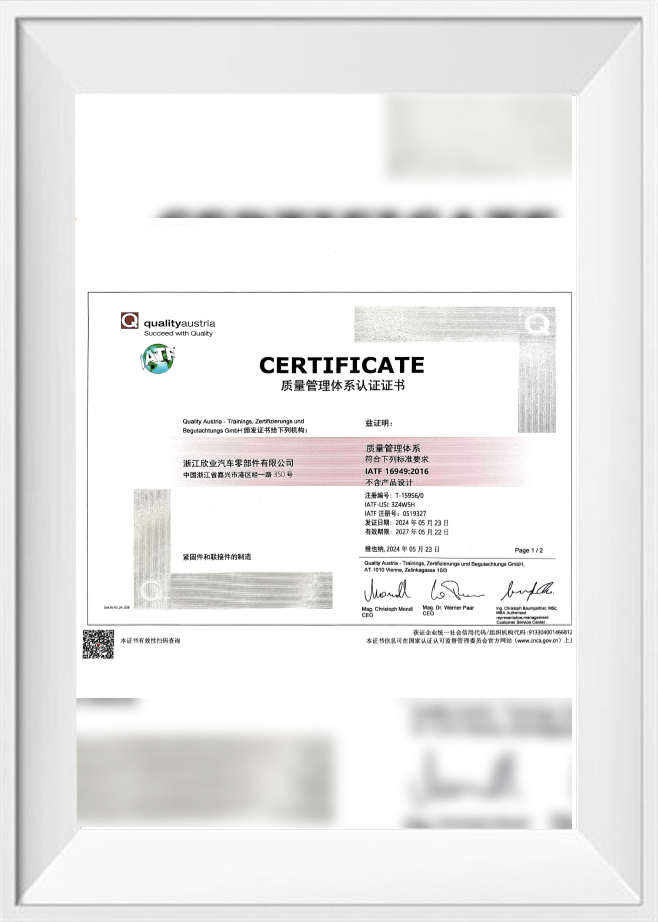
Automotive Screws And Bolts factory. The company specializes in the production of various automotive fasteners and stamping parts, including flange nuts, welding nuts, and more. For over 30 years, Xinye has kept pace with industry trends, focusing on technological innovation and internal management, and has achieved steady growth. The company is now certified to IATF 16949-2016.
Adhering to the principle of "surviving by product quality, developing by technological innovation," Xinye takes quality as its foundation and customer satisfaction as a top priority, committed to providing suitable and reliable products. To enhance product competitiveness and strengthen employee quality awareness, the company has established a sound management system and standardized process flows. Work instructions have been developed for special and critical processes, and strict quality inspections are conducted at every step. From raw material analysis to finished product mechanical performance testing, process control is implemented to ensure product conformity. The continuously improving quality management system and stable product performance have earned the company market recognition, as well as customer trust and praise.
Adhering to the principle of "surviving by product quality, developing by technological innovation," Xinye takes quality as its foundation and customer satisfaction as a top priority, committed to providing suitable and reliable products. To enhance product competitiveness and strengthen employee quality awareness, the company has established a sound management system and standardized process flows. Work instructions have been developed for special and critical processes, and strict quality inspections are conducted at every step. From raw material analysis to finished product mechanical performance testing, process control is implemented to ensure product conformity. The continuously improving quality management system and stable product performance have earned the company market recognition, as well as customer trust and praise.
-
0m2
Factory Area
-
0
Brand Origin
-
0+
Product Range
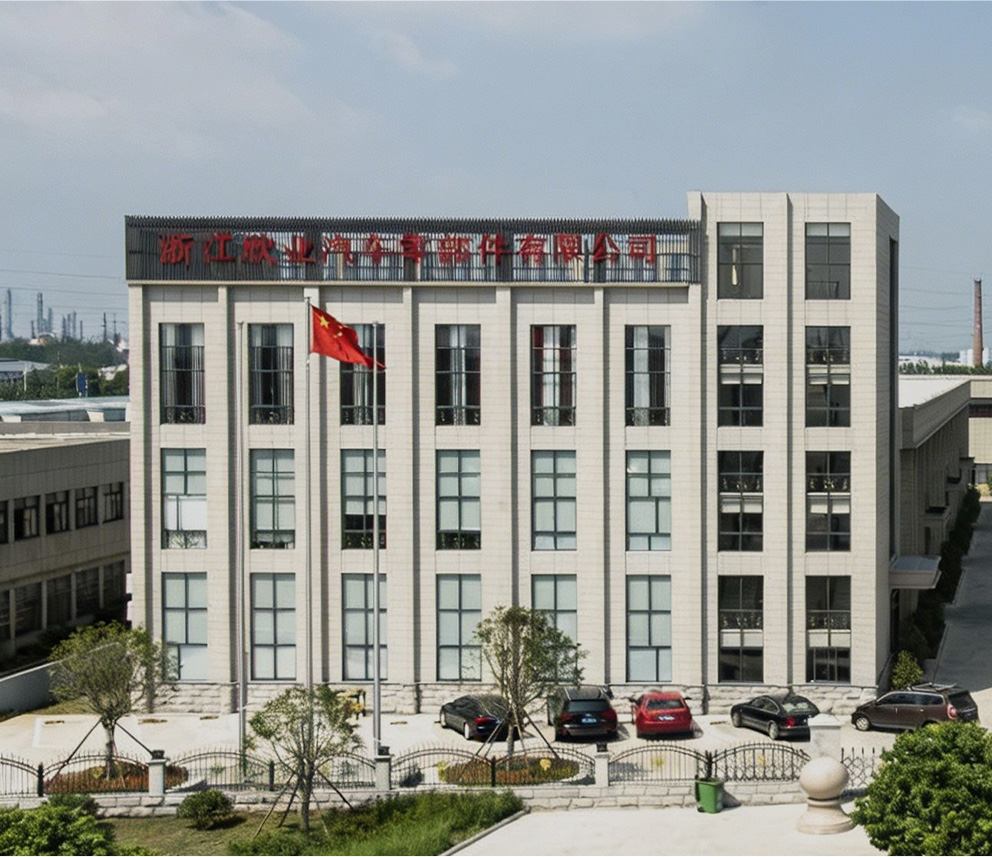

Zhejiangxinye Automobile Technology Co. , Ltd.
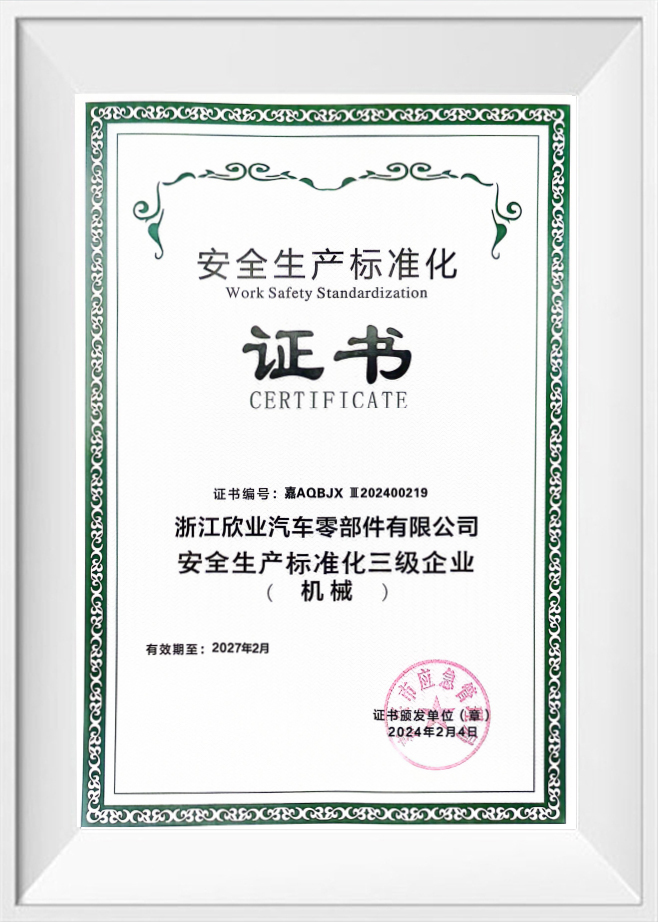
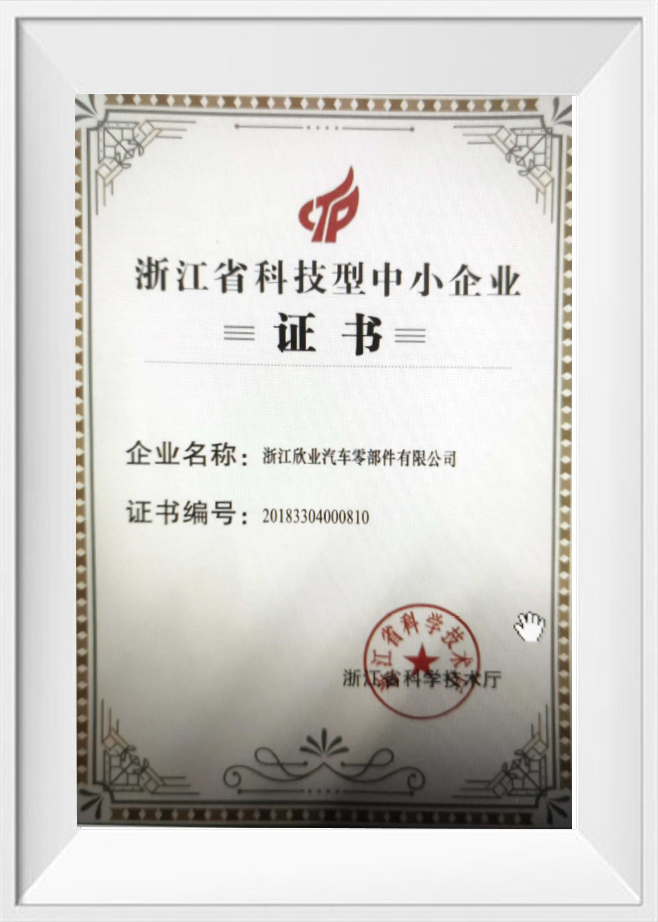
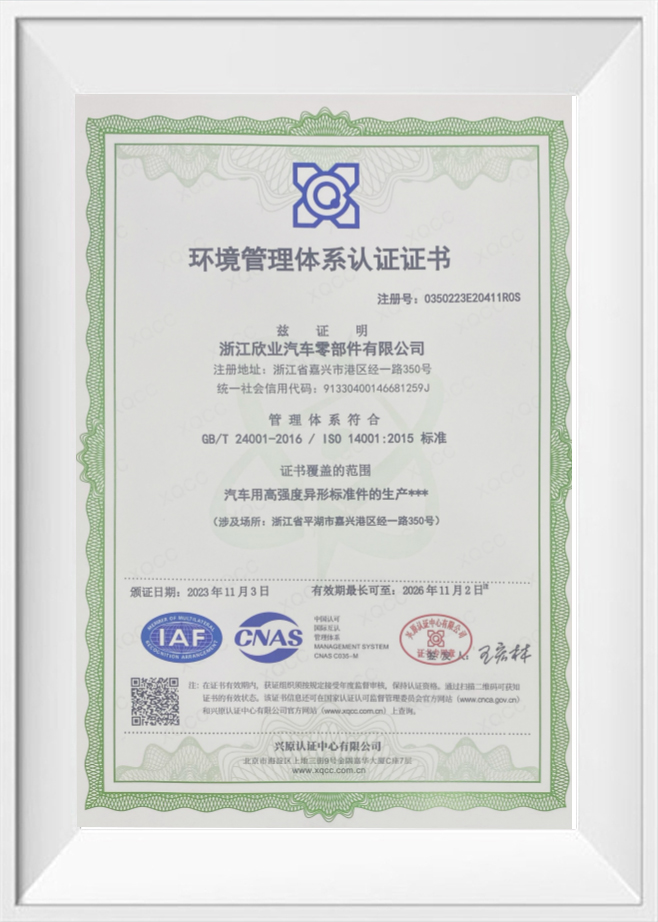
Certificate Of Honor
What’s News
Industry Insights & Updates
View All News
-
2026-11-03Industry News
-
2026-11-03Industry News
-
2026-11-03Industry News
-
2026-11-03Industry News
Bolts & Screws Industry Knowledge
Our bolt and screw business — Custom Automotive Screws And Bolts Suppliers, Exporter to body-in-white, chassis, seat structure and battery-pack programmes — runs from one plant in the Jiaxing Port Area of Zhejiang. Zhejiangxinye Automobile Technology Co., Ltd. has manufactured automotive fasteners since 1995, is certified to IATF 16949-2016, and produces more than 500 fastener and stamping varieties in-house, from raw material analysis through cold heading, tapping, heat treatment, thread rolling, finishing and mechanical performance testing.
Bolts and screws are one of five families we make, alongside nuts, CNC machined components, seat and EV functional parts, and metal stampings. Because the bolt, its mating nut and the bracket it clamps can be quoted, tooled and inspected inside one quality system, we can hold a joint interface — washer face, shoulder step, thread start — to the drawing instead of to the nearest catalogue size.
Since 1995 automotive fastener productionIATF 16949-2016 quality system500+ product varieties8.8 / 10.9 bolt property classes
The Bolts And Screws We Supply
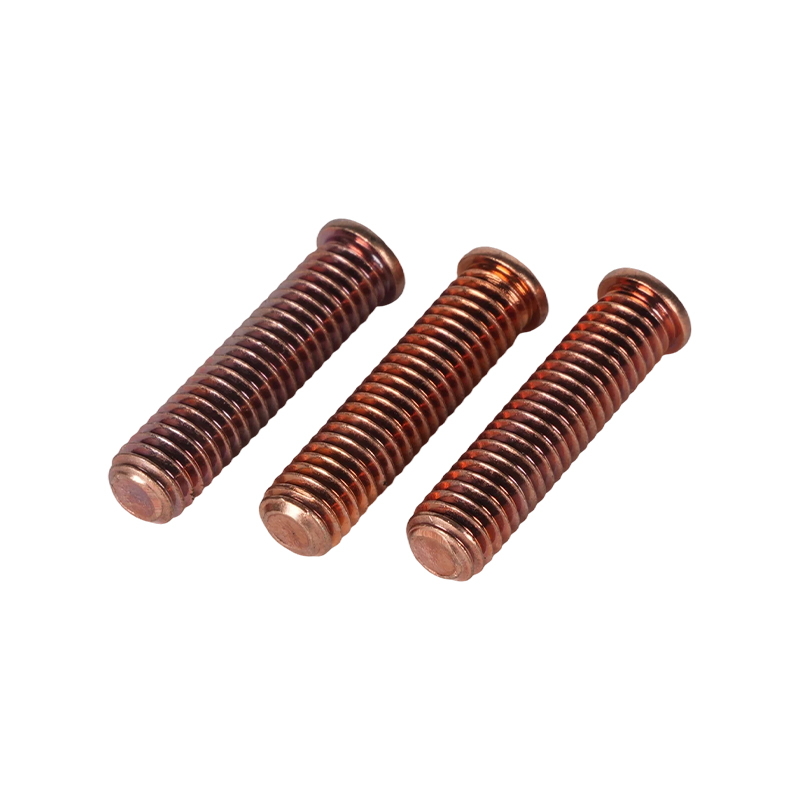
Copper Plated Full Thread Stud Weld Bolt
Continuous metric thread along the whole shank with a formed ignition tip at the weld end, so the stud attaches by capacitor discharge or drawn arc welding without flux or ferrules. The copper layer lowers contact resistance during the weld and leaves a conductive, corrosion-resistant surface. It is the right choice for body panels, chassis brackets and enclosures where the sheet is too thin to tap and the reverse side is closed. Carbon steel, stainless steel and brass are available, with copper, zinc or nickel plating.
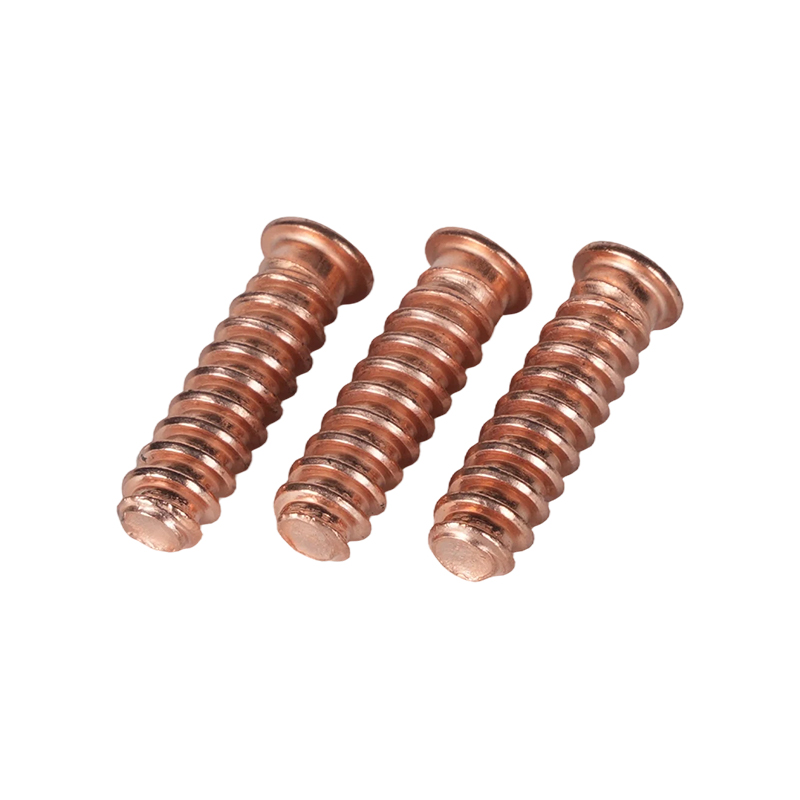
Copper Plated Round Head Stud Weld Bolt
A round, low-profile head with a controlled bearing surface and a threaded shank, supplied in M3 to M10 with typical lengths of 8 mm to 35 mm, full or partial thread, and property class 4.8 for medium-duty joints. The smooth head suits visible fastening points on panels, trim carriers and electrical enclosures where snagging and protrusion have to stay minimal. Stainless steel and aluminium options cover corrosion and weight targets.
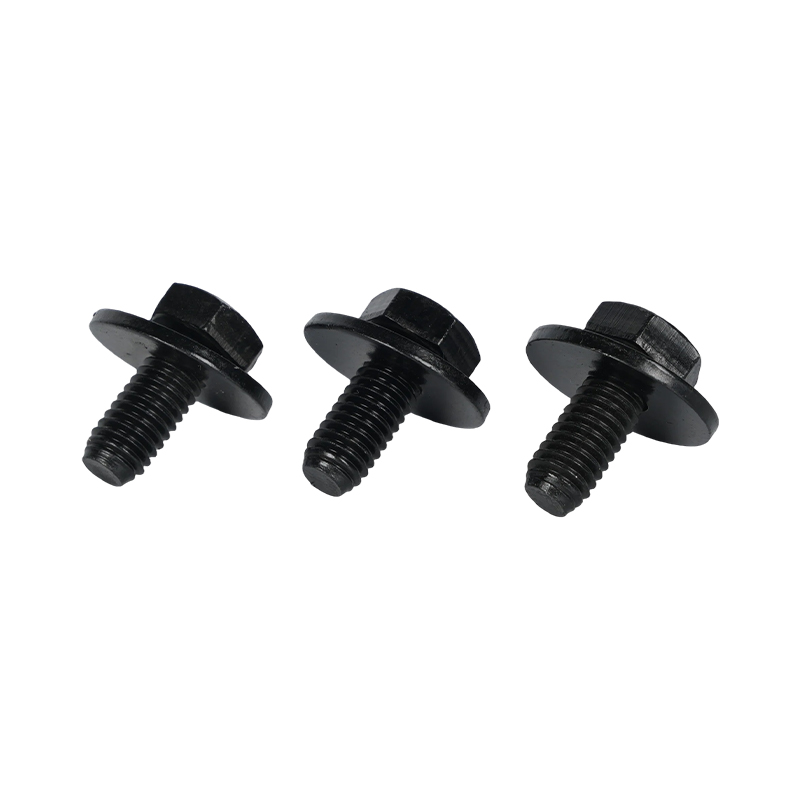
Black Hex Head Bolt With Integrated Flat Washer Assembly
A hexagon head bolt with a flat washer permanently crimped beneath the head, so the washer cannot drop off in a feeder bowl, on a tray or in a socket. The oversized washer face spreads clamp load over thin panels and protects painted surfaces during tightening. Metric sizes run from M3 to M24, property classes 8.8 and 10.9, with black oxide or zinc finishing for body, chassis and equipment frame joints.
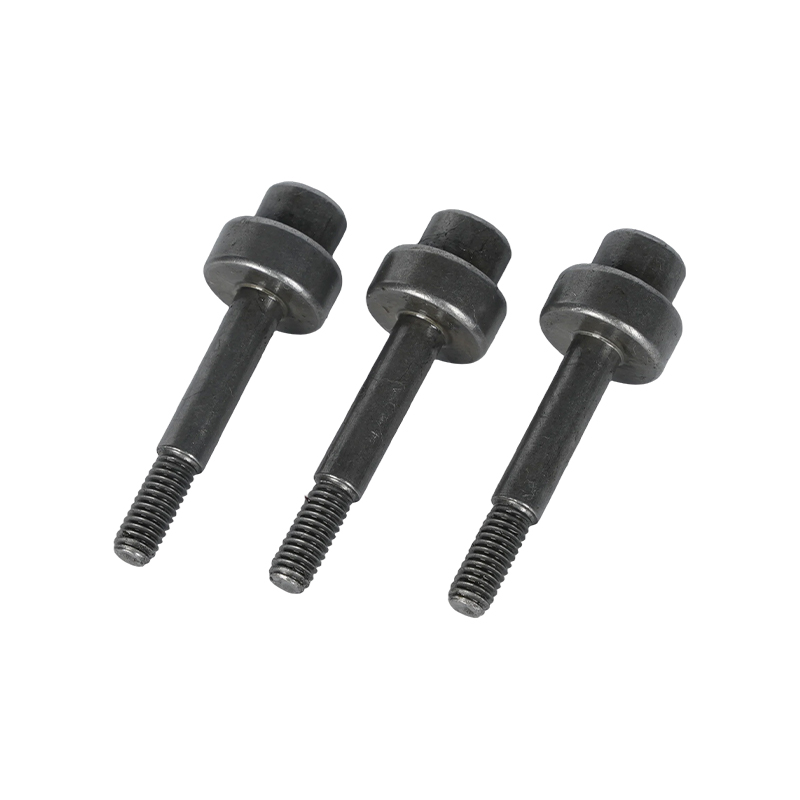
Double Step Shoulder Locating Pivot Bolt
Two shoulder diameters on one shank, ground to their own limits, separate the locating function from the pivot function in hinges, linkages, seat frames and latch mechanisms. The step positions the bracket; the second diameter carries the pivot load. Both diameters, the step face and the thread are inspected as individual characteristics, not as a single overall tolerance.
Non-Standard And Drawing-Specific Screws
Modified heads, reduced shanks, dog points, captive washers, special thread leads, sealing features, and mixed material or coating combinations. We cold head and thread roll to the customer drawing, and produce the mating nut or sleeve for the same joint so the interface is matched before the first sample.
Matching The Bolt To The Joint
The same drawing can call for a welded stud, a bolted joint or a locating shoulder. The table below shows how we map our range to the joint type, and which variables drive the configuration.
| Product type | Typical joint and application | Configuration variables | Material and finish |
|---|---|---|---|
| Full thread stud weld bolt | Permanent threaded anchor on thin sheet with no reverse-side access; body panels, chassis brackets, enclosures | Thread size, stud length, full or partial thread, ignition tip geometry, weld base diameter | Carbon steel, stainless, brass; copper plating as standard |
| Round head stud weld bolt | Visible fastening points, trim carriers, electrical enclosures, low-profile panel attachments | M3–M10, 8–35 mm length, head profile, class 4.8 and above | Carbon steel, stainless, aluminium; copper, zinc or plain |
| Hex head bolt with integrated washer | Bolted joints over thin panels and painted surfaces; brackets, subframes, equipment frames | M3–M24, length, class 8.8 or 10.9, washer outside diameter, crimp retention | Carbon steel; black oxide, zinc and other coatings |
| Double step shoulder pivot bolt | Hinges, linkages, seat frames, latch mechanisms requiring location plus pivot | Both shoulder diameters, step face position, thread, overall length, surface finish | Per drawing; heat treated or coated as specified |
| Non-standard screws and special bolts | Where a standard part needs a modified head, shank, thread or coating | Drawing-controlled; tooling developed to the detail drawing | To specification, including mixed material and coating combinations |
Materials, Property Classes And Surface Finishing
Finishing is done on our own line, which is why coating thickness and salt-spray hours are quoted together with the mechanical properties rather than sourced separately.
- Property classes: hex head bolts with captive washers in 8.8 and 10.9; round head weld studs from class 4.8 upward according to weld and load requirements. Where a bolt closes against a high-strength nut, our nut programmes run to class 12, with class 13–14 in pre-research for heavy-duty and high-performance engine applications.
- Base materials: carbon steel for structural and body joints, stainless steel for corrosion exposure, aluminium for weight-driven parts, brass where conductivity matters.
- Zinc systems: trivalent zinc plating qualified to 480 hours salt spray, and zinc-nickel alloy at 480 to 720 hours for underbody, wheel-arch and battery-adjacent hardware.
- High-temperature finishes: three grades rated for 300 °C, 550 °C and 650–700 °C service for exhaust and engine-periphery joints.
- Copper plating: applied to weld studs for stable arc initiation and low contact resistance.
- Black oxide: uniform appearance with light corrosion protection for interior trim and seat hardware.
Threads, Tolerances And Dimensional Control
Metric threads run from M3 to M24 on hex head bolts and M3 to M10 on round head weld studs. Head, shoulder, step and washer-face features are held within a 0.06 mm to 0.30 mm control window depending on what the feature does in the joint — a locating shoulder is checked tighter than a clearance face, and the washer face is checked for squareness as well as position.
Our MAT self-correcting thread places a guided lead on the first threads, so a slightly misaligned bolt is pulled into the correct thread path instead of cross-threading. On automated stations this reduces rejects at the nutrunner, and it is available on the nut side of a matched bolt-and-nut set. Thread gauging, run-out, shoulder diameter and step position are recorded as separate characteristics during production.
Tooling, Feeding And Automated Assembly
Most of our automotive bolt volume is installed by machine, so the features the line actually touches decide whether a part runs cleanly. We build cold heading and thread rolling tooling around the customer drawing and review the details that affect presentation and torque: head geometry for socket engagement and feeder orientation, crimp strength on captive washers so they survive vibration feeding, chamfer at the thread start, and ignition tip consistency on weld studs.
- Feeder trials and sample batches for line qualification before series release
- Bulk packaging, layer counting and labelling agreed to your call-off pattern
- Weld stud selection matched to the process — CD for smaller diameters and thin sheet with minimal backside marking, drawn arc for larger studs and heavier base material
- Matched nut, sleeve or stamping from the same plant when the joint crosses part families
Quality Control And Acceptance
Production is governed by our IATF 16949-2016 system. Work instructions are written for special and critical processes, and inspection runs at every step: incoming raw material analysis, in-process checks after heading, tapping, heat treatment and thread rolling, and finished-part mechanical performance and hardness testing. We also hold work safety standardization and environmental management system certification.
Acceptance characteristics are agreed part by part — thread and shoulder dimensions, hardness and property class, plating thickness, salt-spray hours, and weld quality on studs where the joint depends on it. Inspection results travel with the shipment so your incoming inspection can release the lot without re-testing every characteristic.
Information We Use To Prepare Your Proposal
- Detail drawing with thread callout, shoulder diameters and step positions, head geometry, overall length and tolerances
- Base material, property class, and any weldability or conductivity requirement
- Surface finish family, coating thickness and salt-spray target
- Mating nut or tapped component, target torque and clamp load
- Joint stack: sheet thickness, hole size, access to the reverse side, washer bearing area
- Service environment: temperature, corrosion exposure, vibration, electrical grounding
- Annual volume, call-off pattern, packaging and labelling requirements
- Documentation set needed for your incoming inspection and line release
Frequently Asked Questions
Which bolts and screws can you manufacture to a customer drawing?
Full thread and round head stud weld bolts, hex head bolts with crimped captive washers from M3 to M24 in classes 8.8 and 10.9, double step shoulder locating pivot bolts, and non-standard screws with modified heads, shanks, thread leads or coatings. The mating nut, sleeve or stamped bracket can come from the same plant.
What is the difference between capacitor discharge and drawn arc stud welding?
Capacitor discharge uses a short, low-energy arc, typically for studs up to about 10 mm diameter on thinner sheet, with minimal marking on the reverse side. Drawn arc uses a higher-energy arc for larger stud diameters and heavier base material. The ignition tip, weld base and plating are matched to whichever process your line runs.
Which finish gives 480 hours of salt spray?
Trivalent zinc plating is qualified to 480 hours in our finishing line. Zinc-nickel alloy extends this to 480–720 hours for underbody, wheel-arch and battery-adjacent parts. High-temperature grades for 300 °C, 550 °C and 650–700 °C are available where exhaust or engine heat rules out standard zinc.
How tight can a locating shoulder be held?
Shoulder, step and washer-face features are controlled within a 0.06 mm to 0.30 mm window, set by the function of the feature on your drawing. A pivot or locating diameter is normally the tightest characteristic on the part; clearance faces are allowed more room. Each is gauged and reported separately.
What do you need to quote a custom bolt programme?
A detail drawing with thread, shoulder and tolerance callouts; material and property class; finish and salt-spray target; the mating part and target torque; sheet thickness and access conditions; annual volume and call-off pattern; and the documentation you need for line release. With those, we return a configuration, tooling position and piece price.
- Contact Us
-
-
861260628@qq.com

zj@xy-nuts.com -
+86 15888350558

-
No.350 Jingyi Road, Jiaxing Port Area, Zhejiang Province, China.

-
- Quick Links
- Products
- About Us
- Capabilities
- Service
- News
- Contact Us
- Product
- Nuts
- CNC Machined Components, Sleeves & Pins
- Specialty & Functional Automotive Components
- Metal Stampings
- Bolts & Screws
- Mobile
Copyright ©
Zhejiangxinye Automobile Technology Co. , Ltd.
All Rights Reserved
Custom
Automotive Screws And Bolts Suppliers
