

 Español
 عربى
product
product
product
product
product
product
product
product
product
product
product
product
product
product
product
product

Product Category
Contact us
CNC Machined Components, Sleeves & Pins Suppliers
-
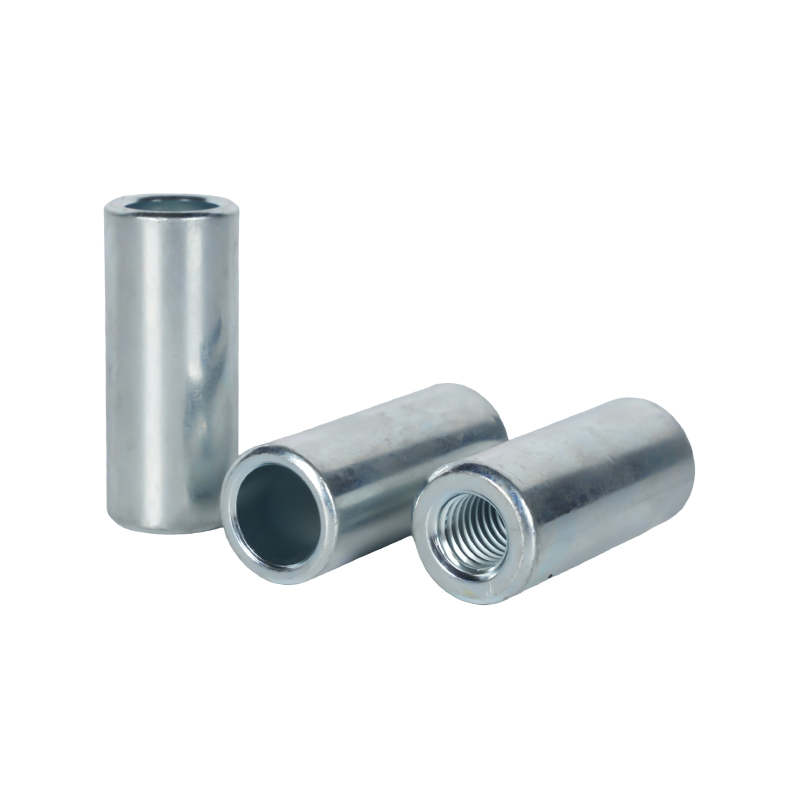
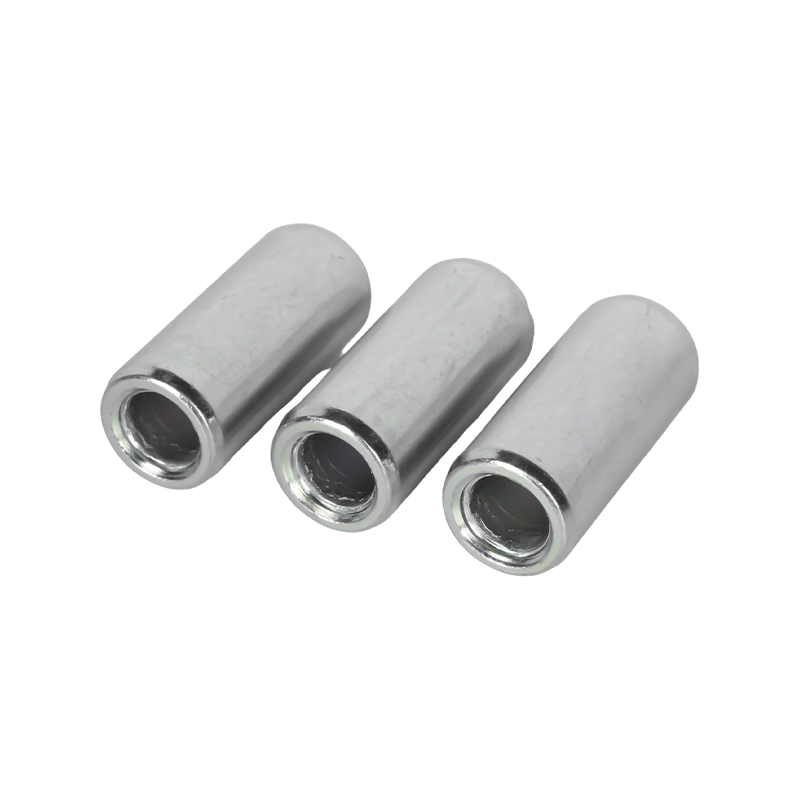
Straight Cylindrical Internal Thread Connecting Sleeve
-
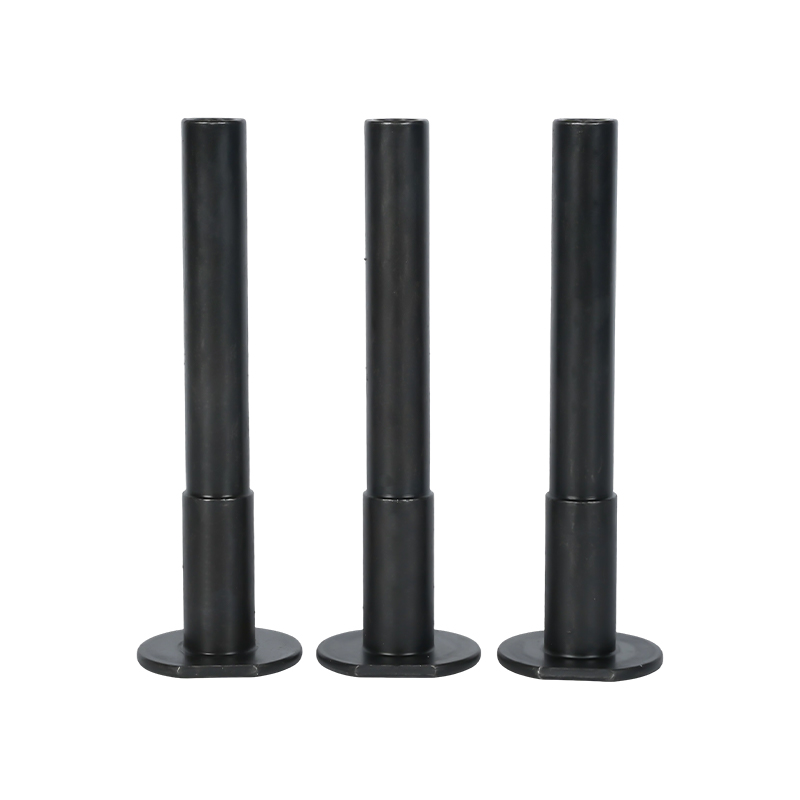
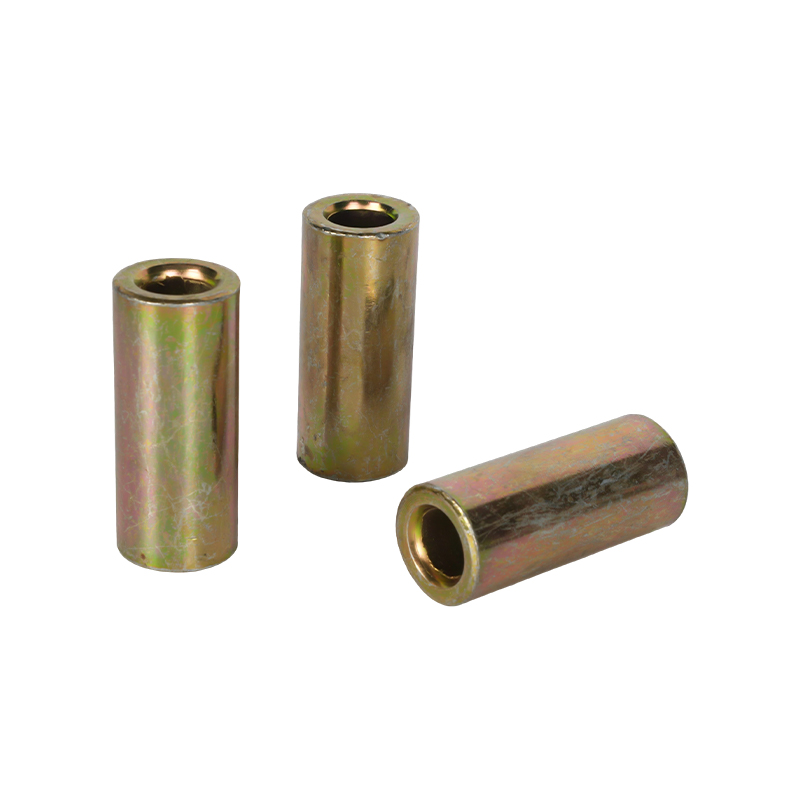
Black Carbon Steel Flanged Step Suspension Mounting Sleeve
-
Carbon Steel Straight Internal Thread Sleeve
-
Black Flanged Step Internal Thread Sleeve For Suspension Arm Mounting
-
Straight Cylindrical Internal Thread Sleeve With Rounded End
-
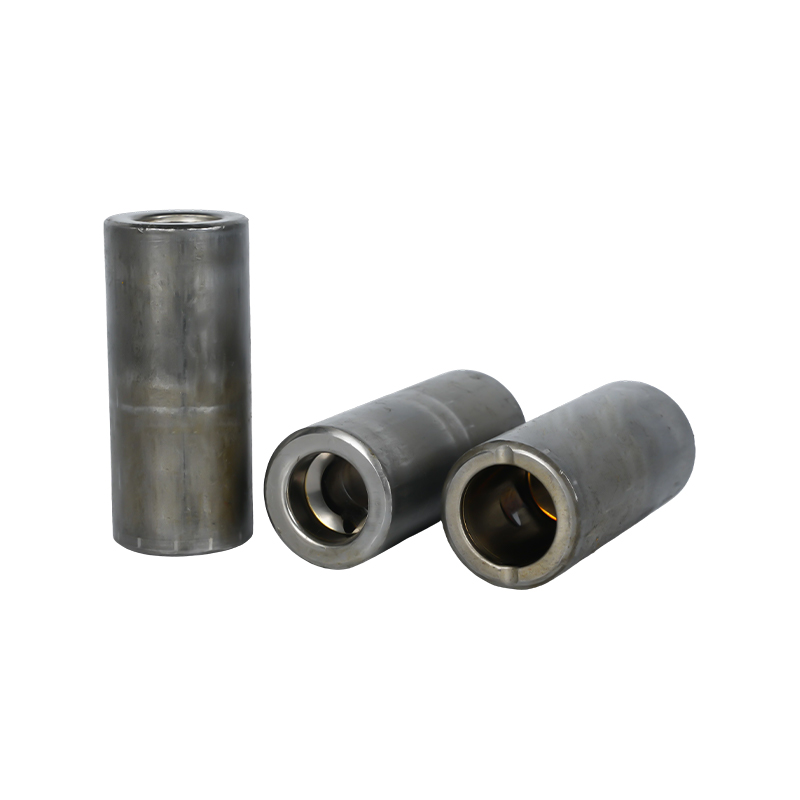
Carbon Steel Straight Cylindrical Reinforced Connecting Sleeve
-
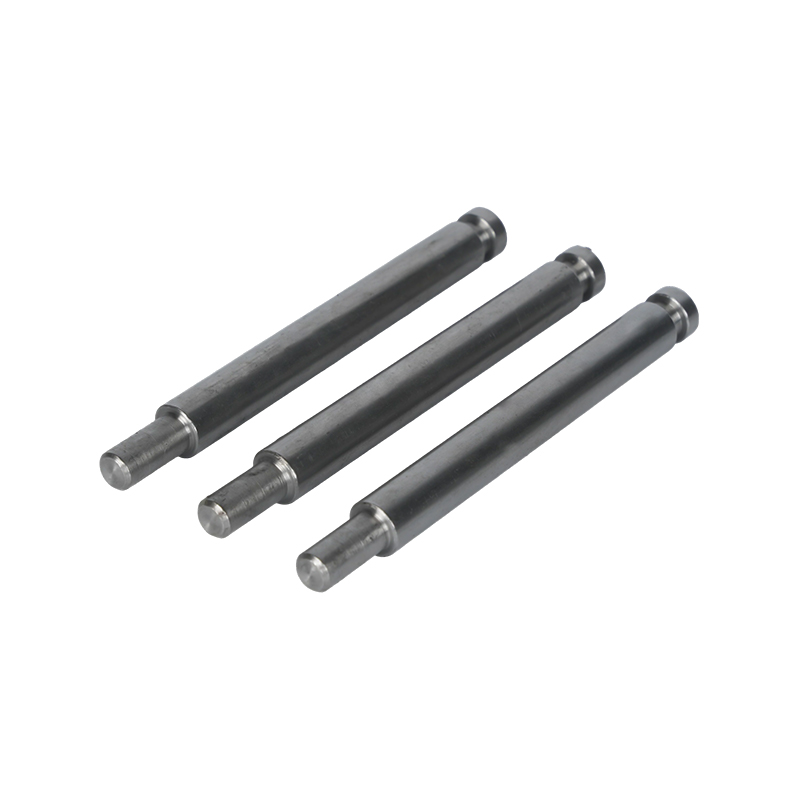
Carbon Steel Stepped Retraction Locating Shaft Pin
-
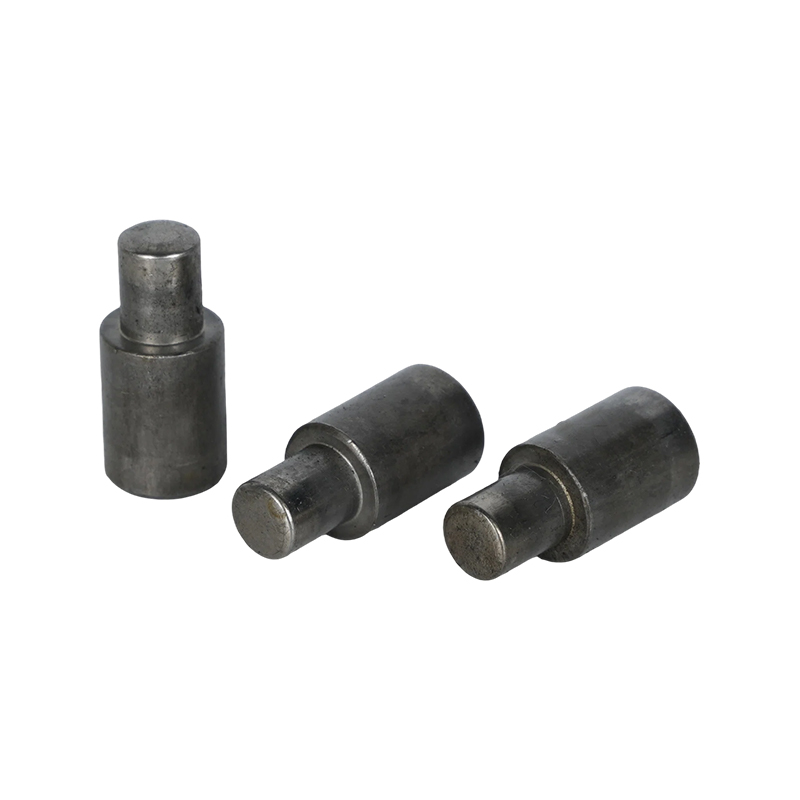
Carbon Steel Two-Step Cylindrical Locating Pin Shaft
-
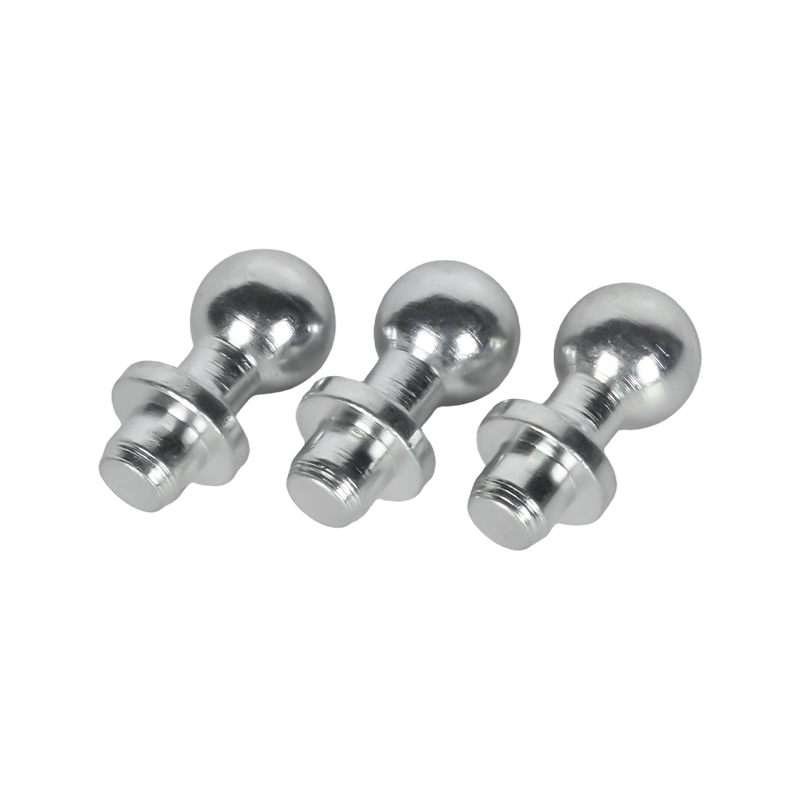
Carbon Steel Stepped Ball Head Connecting Stud Pin
-
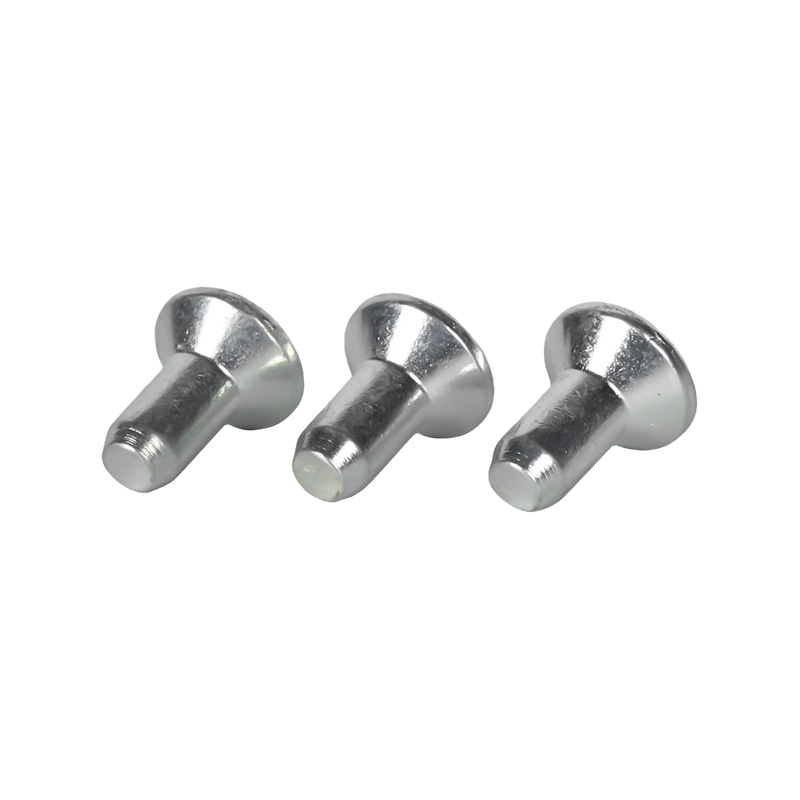
Carbon Steel Round Head Locating Pin
-
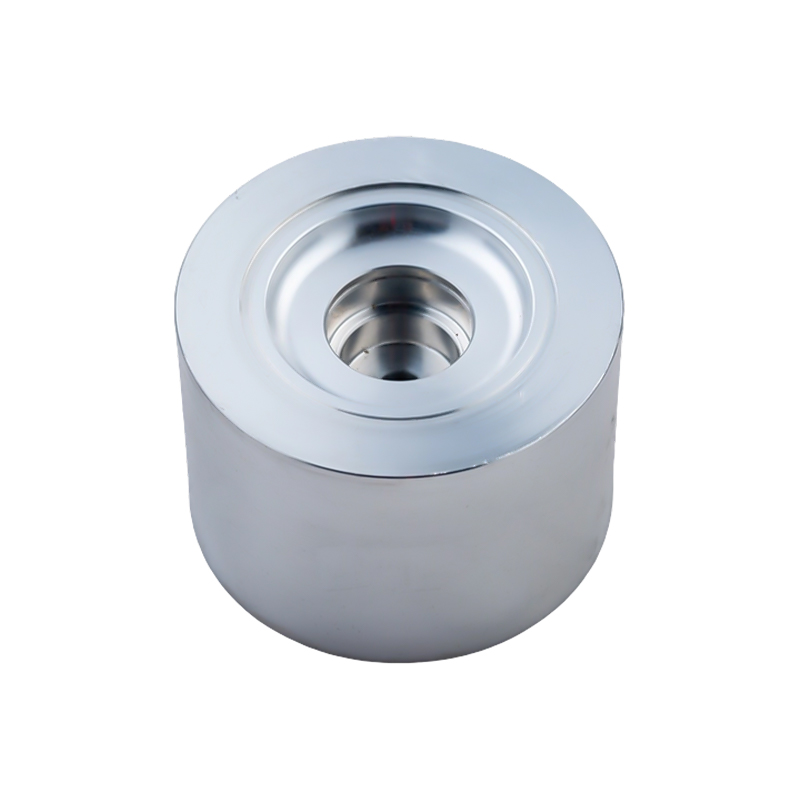
Cylindrical Bushing With Multi-Step Inner Hole
-
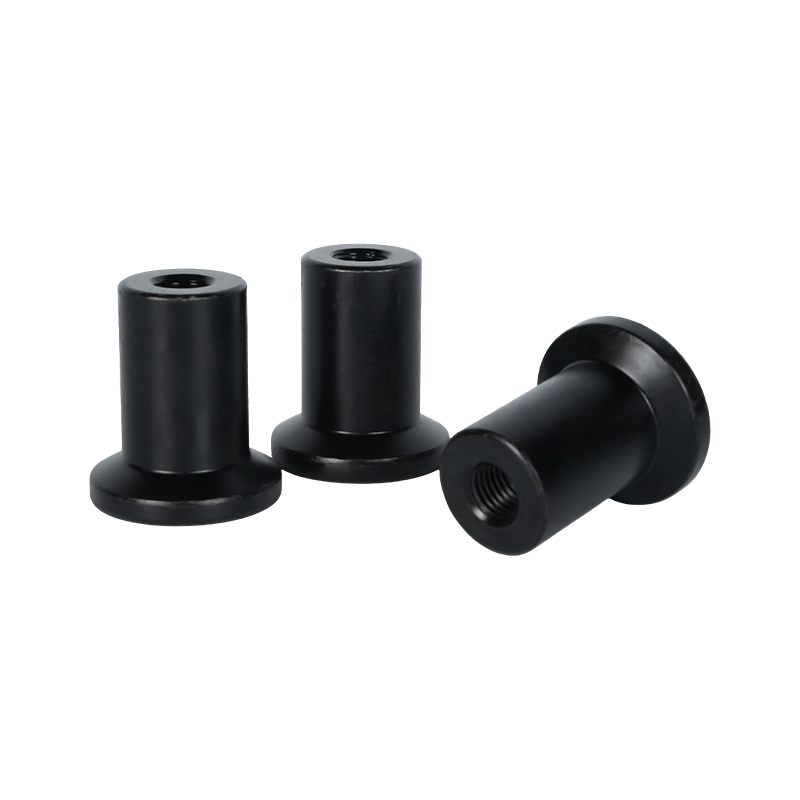
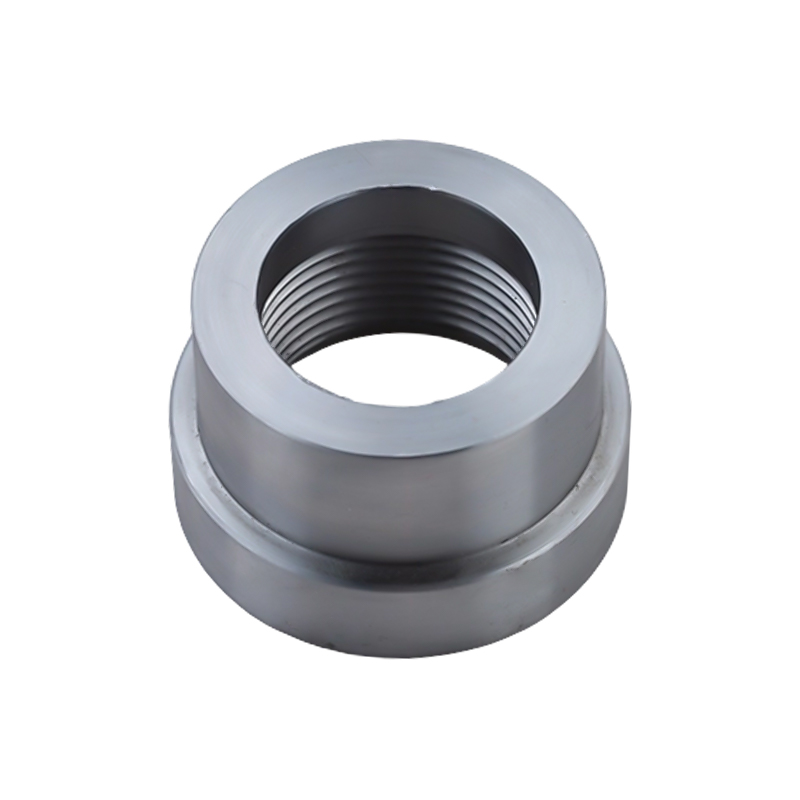
Flanged Stepped Internal Thread Bushing
Message Feedback
About Us
30 Years of Expertise in Automotive Fasteners
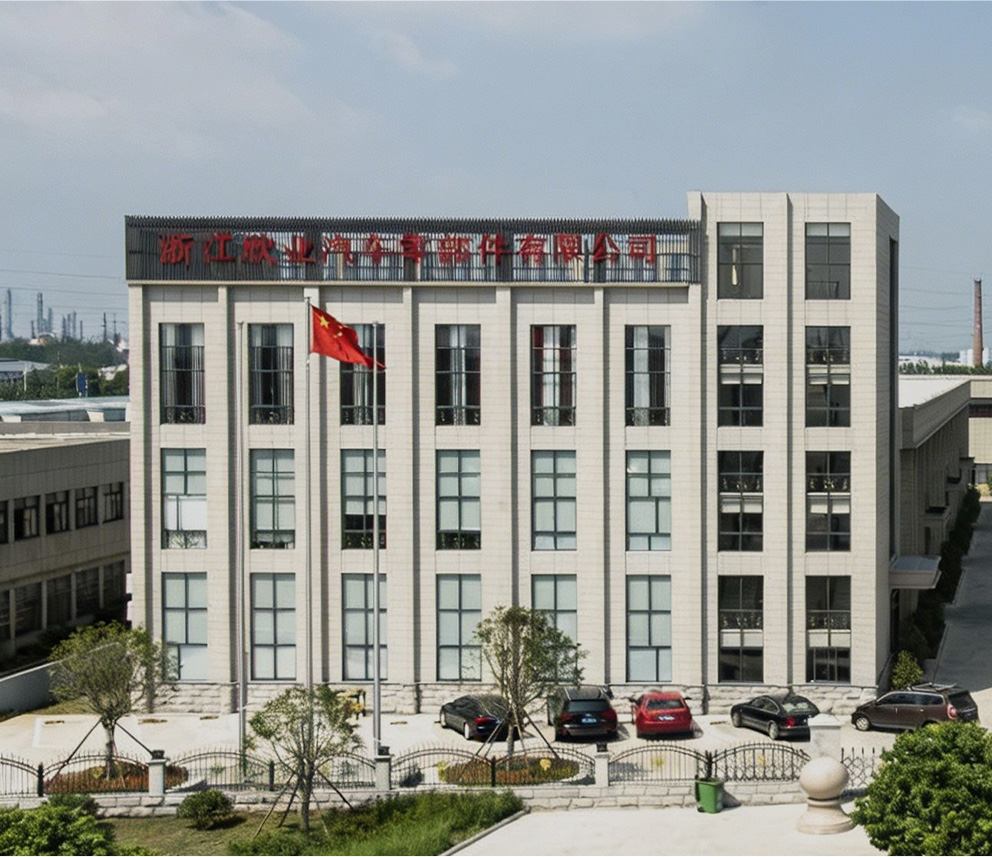
Zhejiangxinye Automobile Technology Co. , Ltd. traces its origins to 1995, evolving from Jiaxing Zhapu Xinye Standard Parts Co., Ltd. We are China CNC Machined Components, Sleeves & Pins Suppliers and Custom
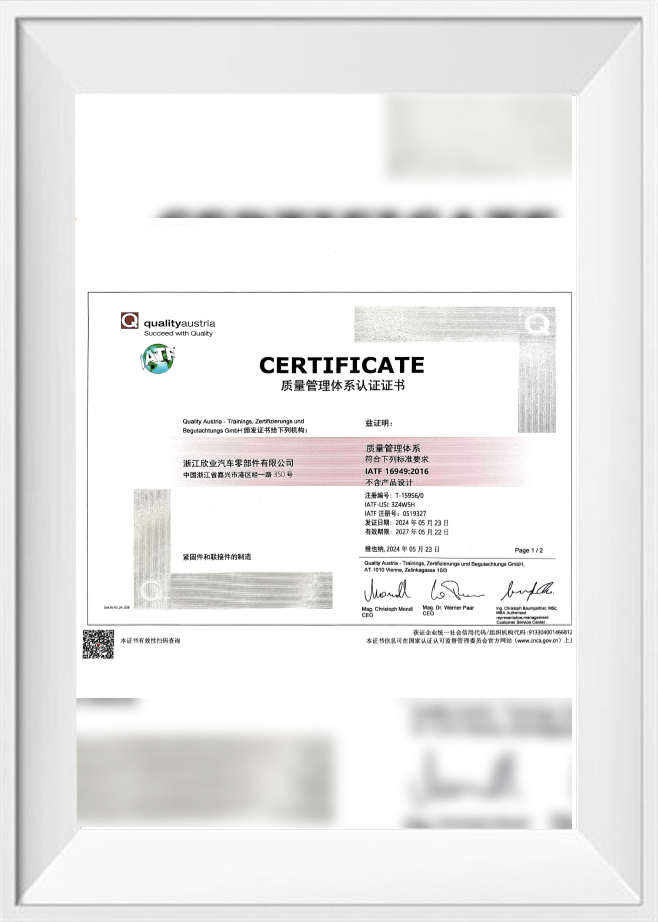
CNC Machined Components, Sleeves & Pins factory. The company specializes in the production of various automotive fasteners and stamping parts, including flange nuts, welding nuts, and more. For over 30 years, Xinye has kept pace with industry trends, focusing on technological innovation and internal management, and has achieved steady growth. The company is now certified to IATF 16949-2016.
Adhering to the principle of "surviving by product quality, developing by technological innovation," Xinye takes quality as its foundation and customer satisfaction as a top priority, committed to providing suitable and reliable products. To enhance product competitiveness and strengthen employee quality awareness, the company has established a sound management system and standardized process flows. Work instructions have been developed for special and critical processes, and strict quality inspections are conducted at every step. From raw material analysis to finished product mechanical performance testing, process control is implemented to ensure product conformity. The continuously improving quality management system and stable product performance have earned the company market recognition, as well as customer trust and praise.
Adhering to the principle of "surviving by product quality, developing by technological innovation," Xinye takes quality as its foundation and customer satisfaction as a top priority, committed to providing suitable and reliable products. To enhance product competitiveness and strengthen employee quality awareness, the company has established a sound management system and standardized process flows. Work instructions have been developed for special and critical processes, and strict quality inspections are conducted at every step. From raw material analysis to finished product mechanical performance testing, process control is implemented to ensure product conformity. The continuously improving quality management system and stable product performance have earned the company market recognition, as well as customer trust and praise.
-
0m2
Factory Area
-
0
Brand Origin
-
0+
Product Range

Zhejiangxinye Automobile Technology Co. , Ltd.
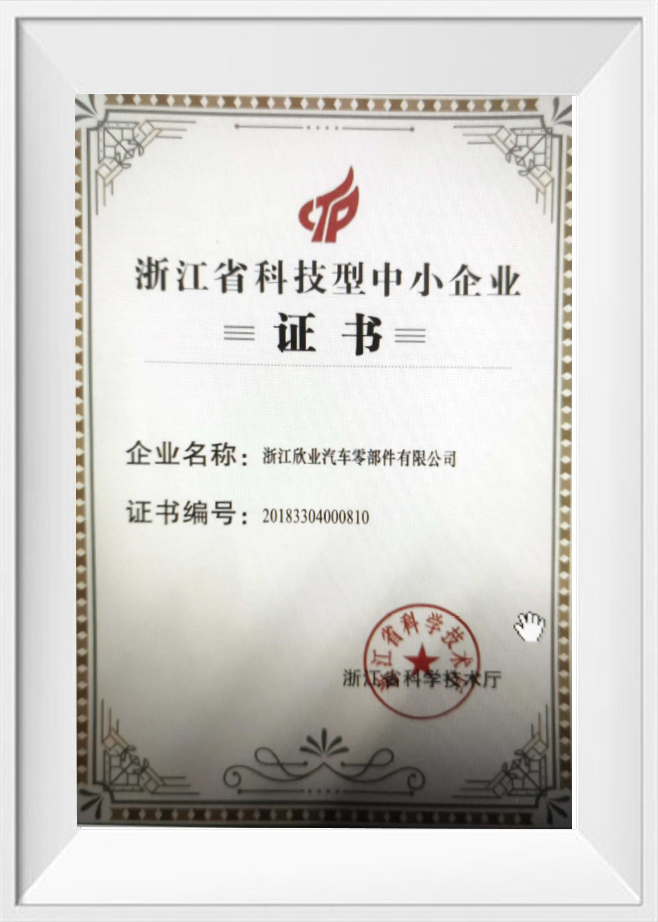
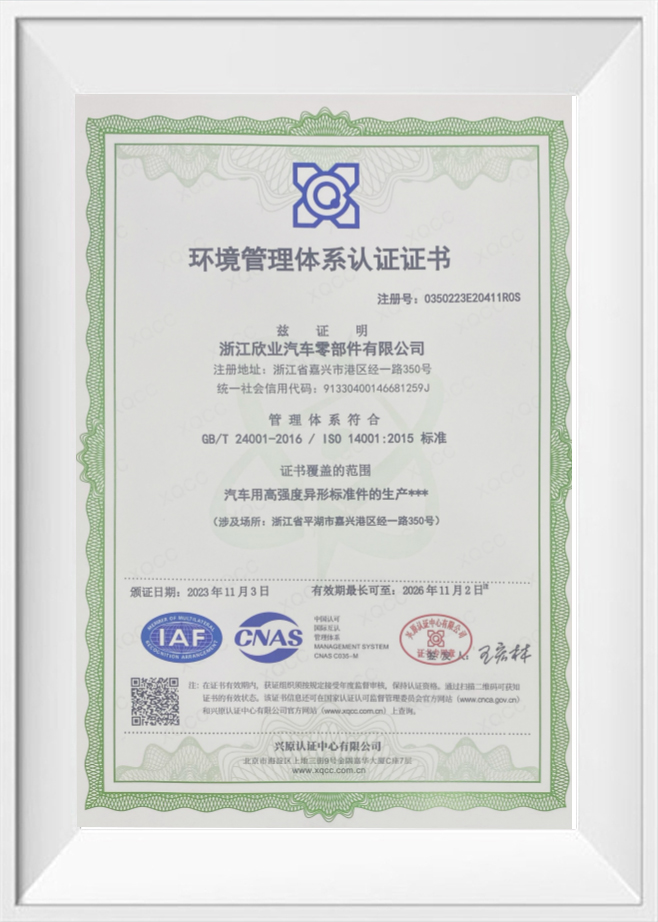
Certificate Of Honor
What’s News
Industry Insights & Updates
View All News
-
2026-11-03Industry News
-
2026-11-03Industry News
-
2026-11-03Industry News
-
2026-11-03Industry News
CNC Machined Components, Sleeves & Pins Industry Knowledge
Sleeves, Pins and Machined Components Produced In-House
As a Custom CNC Machined Components, Sleeves & Pins Suppliers, Exporter, we match product configuration to the application, operating limits, interfaces and acceptance criteria defined for each project.
Zhejiangxinye Automobile Technology Co., Ltd. has manufactured automotive fasteners and stamping parts since 1995, and our machined product family carries that production base into sleeves, couplers, locating pins, shafts and turned components. Raw material analysis, forming, machining, threading, heat treatment, surface finishing and final inspection all run inside our own plant, which operates under IATF 16949-2016.
These are the parts that sit between the fastener and the structure: a suspension sleeve that sets clamp length and carries bolt preload, a stepped locating pin that positions a seat frame, a bushing that holds concentricity in a moving joint. Our CNC Machined Components, Sleeves & Pins range covers a series of proven geometries, and we machine to drawing where an assembly needs a specific step, flange, bore or thread form.
- Thirty years of automotive component manufacturing, with more than 500 product varieties across fasteners, stampings and machined parts.
- Tolerance bands controlled from 0.06 mm to 0.30 mm according to feature and application.
- Trivalent zinc plating tested to 480 h salt spray; Zn-Ni alloy plating from 480 h to 720 h.
- Temperature-resistant grades available at 300 °C, 550 °C and 650–700 °C for exhaust-adjacent and engine-periphery duty.
Our Machined Component Range
Sleeve Parts & Couplers
Straight cylindrical internal thread connecting sleeves, black carbon steel flanged step suspension mounting sleeves, straight internal thread sleeves with rounded ends, flanged step sleeves for suspension arm mounting, and reinforced connecting sleeves. They set spacing and clamp length, shield the bolt shank and take compressive load in subframe, bracket and seat-frame joints.
Available with plain or flanged body, stepped or straight profile, through or blind internal thread, and black or zinc-plated finishing.
Pins & Shafts
Carbon steel stepped retraction locating shaft pins, two-step cylindrical locating pin shafts, stepped ball head connecting stud pins and round head locating pins. The stepped diameters give a positive axial stop and an accurate locating shoulder; the head forms retain the part or provide a bearing contact in hinges, latches, linkages and seat mechanisms.
Chamfer, lead-in and shoulder geometry are machined to the mating bore rather than to a generic standard.
CNC Precision Machined Components
Cylindrical bushings with multi-step inner holes and flanged stepped internal thread bushings, plus custom turned parts built to customer drawings. These are the parts where bore geometry, multiple diameters and bore-to-OD concentricity in one workpiece carry the function.
Typical use is in joints and guides where clearance has to be repeatable from part to part.
Where These Parts Fit in the Vehicle
Chassis and suspension joints, seat structures, interior trim attachment and body hardware all use the same component logic: a spacer sleeve establishes clamp length so the bolt does not crush the bracket, a pin fixes location while a separate fastener carries the load, and a bushing controls radial clearance. Our machined parts are configured against that function, not only against a shape.
| Component family | Typical function and fit | Configuration points |
|---|---|---|
| Sleeve Parts & Couplers | Suspension arm and subframe mounting, bracket spacing, seat-frame and trim joints | Straight or stepped body, flange or plain, through or blind thread, rounded end, reinforced wall |
| Pins & Shafts | Locating and pivot duty in hinges, latches, seat adjusters and linkage | Single or multi-step diameter, locating shoulder, round or ball head, chamfer and lead-in |
| CNC Precision Machined Components | Bushings, guides and threaded inserts where bore geometry governs the joint | Multi-step inner bore, flanged step, internal thread, concentricity and surface finish callouts |
| Custom geometries to drawing | Applications where no catalogue shape matches the mating cavity or stack-up | Drawing or 3D model, material grade, heat treatment, coating, critical feature list |
The three sub-families are supplied as Sleeve Parts & Couplers, Pins & Shafts and CNC Precision Machined Components, each with its own drawing and inspection route.
Materials, Finishing and Environmental Load
Carbon steel is the working base for most of the range, with the grade selected against strength class, wall thickness and thread depth. Coating and heat treatment follow the location on the vehicle: a sleeve inside a cabin structure has different exposure from one at the lower suspension arm or near the exhaust.
| Finish or treatment | What it provides | Where it is applied |
|---|---|---|
| Trivalent zinc plating | Corrosion protection verified to 480 h salt spray | Threaded sleeves, pins and general body hardware |
| Zn-Ni alloy plating | 480 h to 720 h salt spray resistance | Underbody and exposed chassis positions |
| Black carbon steel finish | Low-gloss appearance with controlled dimensional change | Suspension mounting sleeves and internal components |
| Heat treatment | Strength and wear resistance confirmed by hardness testing | Load-bearing pins, shafts and high-strength threaded parts |
| Temperature grades | Stable performance at 300 °C, 550 °C and 650–700 °C | Exhaust systems and engine-periphery connections |
Critical Specifications We Hold on Machined Parts
- Dimensional control: tolerance bands from 0.06 mm to 0.30 mm, assigned per feature according to fit and function.
- Thread geometry: nominal diameter, pitch, thread depth and run-out, checked against the mating bolt and the required assembly torque.
- Step and flange accuracy: shoulder position, flange diameter and thickness determine clamp length and must match the stack-up in the joint.
- Concentricity: bore-to-OD alignment on bushings and sleeves, so the part locates without forcing the joint off centre.
- Surface and hardness: coating thickness, freedom from burrs at thread entry, and hardness after heat treatment verified on test pieces.
How We Configure a Part for Your Assembly
Configuration starts from the joint, not from the shape. We review the drawing or sample, identify which dimensions carry the function, and then set the process route and the gauging method that will hold them in series.
- Drawing, 3D model or physical sample review, including the mating bolt, bore or bracket.
- Material grade, strength class and heat treatment matched to the load path.
- Process route fixed: forming or bar stock, turning of steps and flanges, drilling, threading, heat treatment when required, then finishing.
- Inspection plan defined for the critical features, with gauge or instrument selection agreed before the first batch.
- Sample evaluation, then series release on the approved setting.
Quality Control and Acceptance
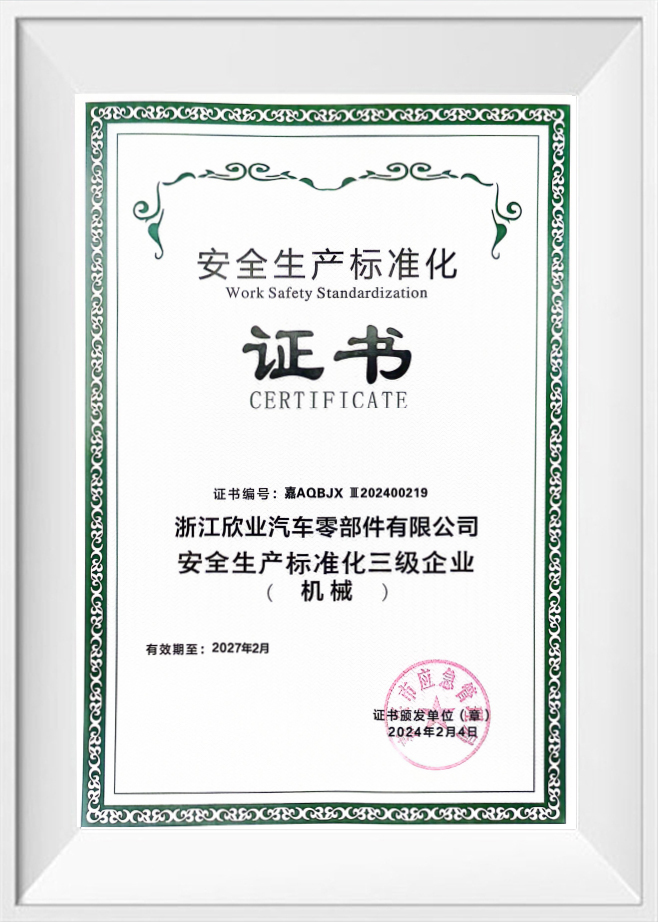
Our quality system is certified to IATF 16949-2016, and the plant also holds Work Safety Standardization and Environmental Management System certification. Control runs from incoming raw material analysis through production processing to finished product mechanical performance testing, with documented work instructions for special and critical processes.
Hardness testing, dimensional inspection and thread gauging are performed at defined stages rather than at final inspection alone, so a drifting step diameter or thread depth is caught before the batch is complete. Inspection records are retained per lot for traceability against the delivered quantity.
Information We Use to Configure Your Solution
The faster the joint conditions are clear, the faster the proposal is technically correct. We work from the following inputs when preparing a configuration and quotation:
- Part drawing or 3D model, with critical dimensions and the tolerance that must be held.
- Material grade, strength class and any heat treatment requirement.
- Coating type, coating thickness and salt-spray expectation.
- Mating components: bolt thread, bore diameter, bracket thickness and clamp length.
- Operating conditions: temperature at the location, exposure to spray or road salt, vibration.
- Assembly method, tooling access and any automation feeding requirement.
- Annual volume, batch size and delivery schedule pattern.
- Inspection documentation expectation and packaging format per carton or returnable bin.
Documentation, Packing and Reorder Consistency
Each order is shipped against the approved drawing revision, and the coating, heat treatment and inspection route stay fixed between repeat batches so a reorder assembles the same way as the first delivery. Packing format, labelling content and the inspection documents supplied with the shipment are agreed with the purchase order, including part-number marking where the assembly line requires it.
Because sleeves, pins and machined bushings are produced alongside our flange nut, weld nut and stamping programmes, a single purchase order can cover the machined part and the mating fastener from the same plant.
Frequently Asked Questions
Can you machine a sleeve or pin to our drawing instead of a catalogue shape?
Yes. Most of our machined output is built to customer drawings, with the step, flange, bore and thread defined by the mating assembly. Send the drawing or a 3D model with the critical features marked, and we will confirm the process route and the dimensions we will inspect.
What material and finish do you recommend for suspension mounting sleeves?
Carbon steel with a black finish is common for sleeves that sit inside a clamped joint, while lower-arm and underbody positions usually call for Zn-Ni alloy plating at 480 h to 720 h salt spray. The choice follows the exposure at the mounting point and the strength class the joint requires.
How do you control thread fit and concentricity on machined bushings?
Thread nominal size, pitch, depth and run-out are gauged at defined stages, and bore-to-OD concentricity is set by machining the bore and outside diameter in the same setup where the geometry allows. Tolerance bands are assigned per feature within our 0.06 mm to 0.30 mm control range.
Do you supply the mating nuts and fasteners together with the sleeves and pins?
We do. Flange nuts, weld nuts, self-locking nuts, clinch nuts and non-standard nuts are produced in the same plant, so a sleeve or pin and its mating fastener can be quoted and delivered as one package with matched thread and coating.
What information is needed for a quotation on machined components?
A drawing with tolerances, material and coating requirements, the mating bore or bolt, annual volume and batch size are enough to start. Where the part already exists as a sample, we measure it and confirm the critical dimensions with you before quoting.
Is the machining and finishing carried out in your own factory?
Production is completed in-house from raw material to finished goods, including forming, machining, threading, heat treatment, surface finishing and mechanical performance testing. That is also why our machined parts and fastener programmes share one quality system under IATF 16949-2016.
- Contact Us
-
-
861260628@qq.com

zj@xy-nuts.com -
+86 15888350558

-
No.350 Jingyi Road, Jiaxing Port Area, Zhejiang Province, China.

-
- Quick Links
- Products
- About Us
- Capabilities
- Service
- News
- Contact Us
- Product
- Nuts
- CNC Machined Components, Sleeves & Pins
- Specialty & Functional Automotive Components
- Metal Stampings
- Bolts & Screws
- Mobile
Copyright ©
Zhejiangxinye Automobile Technology Co. , Ltd.
All Rights Reserved
Custom
CNC Machined Components, Sleeves & Pins Suppliers
