Frequently Asked Questions
Q: What is the difference between GB/T 6177 flange nuts and a standard hex nut with a flat washer?
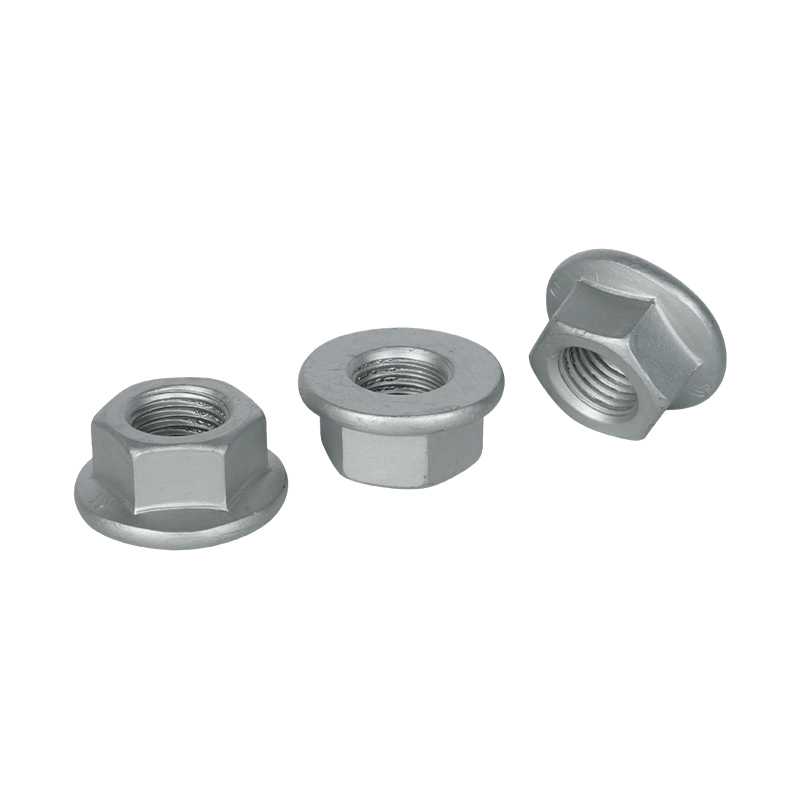
A: The flange is integrally formed with the nut body, providing a fixed load-bearing surface that does not shift or separate during assembly. The serrated underside is optimized to provide locking action specific to the flange nut configuration, whereas a separate washer combination relies on the washer design for load distribution and does not provide the same integrated locking mechanism.
Q: Are GB/T 6177 nuts suitable for use on soft workpiece materials?
A: The flange bearing surface distributes clamping load over an increased area compared to a standard hex nut. This load distribution reduces the surface pressure applied to the workpiece and is suitable for use on materials where indentations from standard nut bearing surfaces may occur. For soft materials, material grade and flange dimensions should be evaluated against the specific application requirements.
Q: Can these nuts be reused after removal?
A: Reusability depends on the specific serration design and the application conditions. The flange serrations may experience wear or deformation during initial installation and removal, which can reduce locking performance in subsequent applications. For applications requiring multiple assembly cycles, locking performance should be verified through torque testing.
Q: What is the recommended tightening torque for GB/T 6177 nuts?
A: Tightening torque values are determined by the nut performance grade, thread size, material grade, and application load requirements. Torque specifications should be obtained from engineering standards or calculation methods defined in fastener design guidelines, considering friction conditions influenced by surface treatment and lubrication.
Q: Do these nuts require additional locking devices such as spring washers or threadlockers?
A: The serrated flange design provides a locking mechanism integrated into the nut. The use of additional locking devices depends on specific application requirements, including load conditions, vibration levels, and safety factors defined in the design specification. For critical applications, engineering evaluation should determine whether supplementary locking methods are required.