

 Español
 عربى
product
product
product
product
product
product
product
product
product
product
product
product
product
product
product
product

Product Category
Contact us
Message Feedback
About Us
30 Years of Expertise in Automotive Fasteners
Zhejiangxinye Automobile Technology Co. , Ltd. traces its origins to 1995, evolving from Jiaxing Zhapu Xinye Standard Parts Co., Ltd. We are China Wheel Nuts Suppliers and Custom
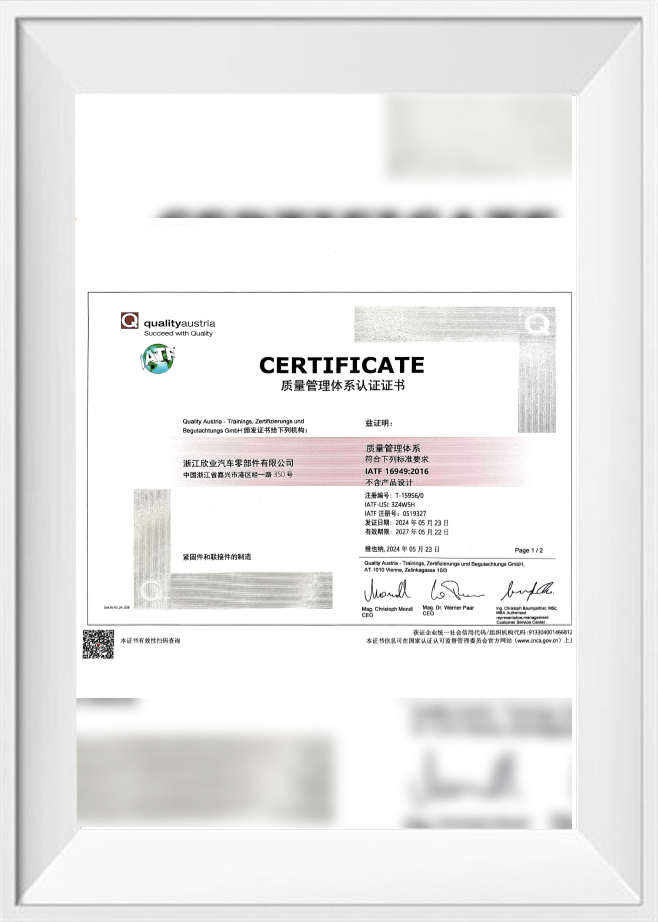
Wheel Nuts factory. The company specializes in the production of various automotive fasteners and stamping parts, including flange nuts, welding nuts, and more. For over 30 years, Xinye has kept pace with industry trends, focusing on technological innovation and internal management, and has achieved steady growth. The company is now certified to IATF 16949-2016.
Adhering to the principle of "surviving by product quality, developing by technological innovation," Xinye takes quality as its foundation and customer satisfaction as a top priority, committed to providing suitable and reliable products. To enhance product competitiveness and strengthen employee quality awareness, the company has established a sound management system and standardized process flows. Work instructions have been developed for special and critical processes, and strict quality inspections are conducted at every step. From raw material analysis to finished product mechanical performance testing, process control is implemented to ensure product conformity. The continuously improving quality management system and stable product performance have earned the company market recognition, as well as customer trust and praise.
Adhering to the principle of "surviving by product quality, developing by technological innovation," Xinye takes quality as its foundation and customer satisfaction as a top priority, committed to providing suitable and reliable products. To enhance product competitiveness and strengthen employee quality awareness, the company has established a sound management system and standardized process flows. Work instructions have been developed for special and critical processes, and strict quality inspections are conducted at every step. From raw material analysis to finished product mechanical performance testing, process control is implemented to ensure product conformity. The continuously improving quality management system and stable product performance have earned the company market recognition, as well as customer trust and praise.
-
0m2
Factory Area
-
0
Brand Origin
-
0+
Product Range


Zhejiangxinye Automobile Technology Co. , Ltd.
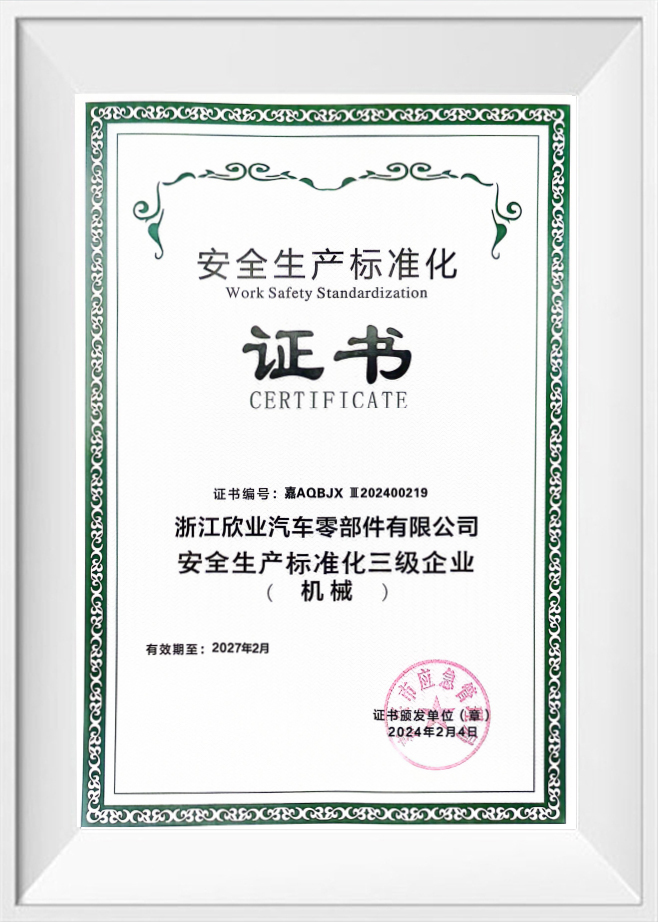
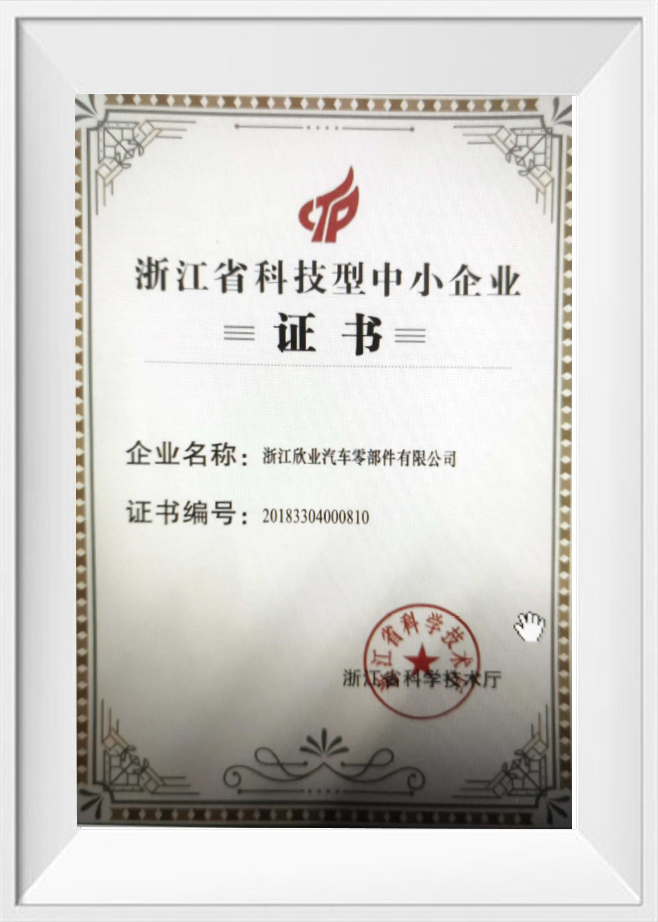
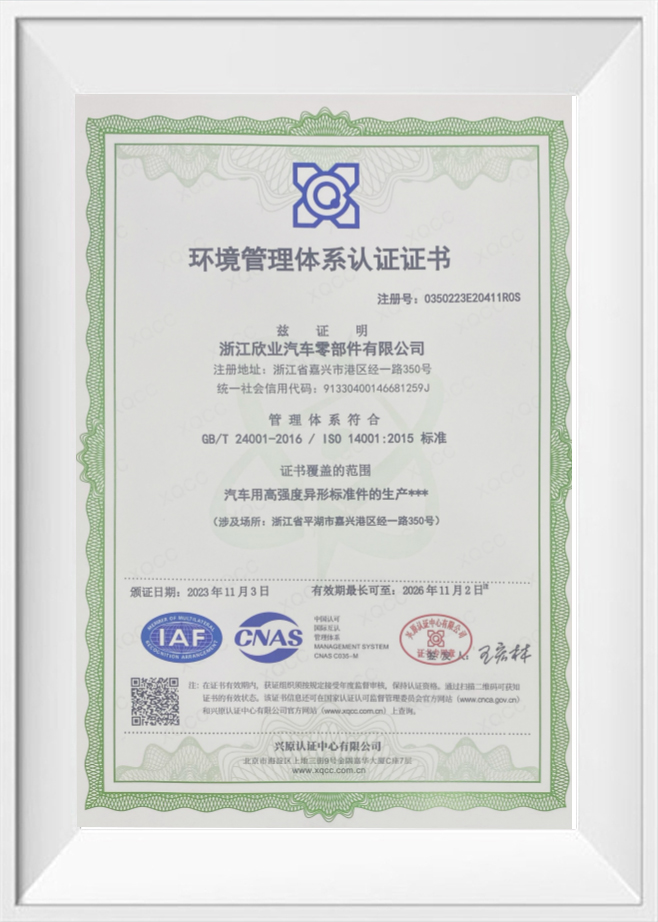
Certificate Of Honor
What’s News
Industry Insights & Updates
View All News
-
2026-11-03Industry News
-
2026-11-03Industry News
-
2026-11-03Industry News
Wheel Nuts Industry Knowledge
Zhejiangxinye Automobile Technology Co., Ltd. manufactures custom wheel nuts for passenger cars, light commercial vehicles and aftermarket wheel programmes. We have produced automotive fasteners and stamping parts since 1995, and our IATF 16949-2016 quality management system follows each part from raw material analysis through cold heading, tapping, heat treatment, finishing and mechanical performance testing.
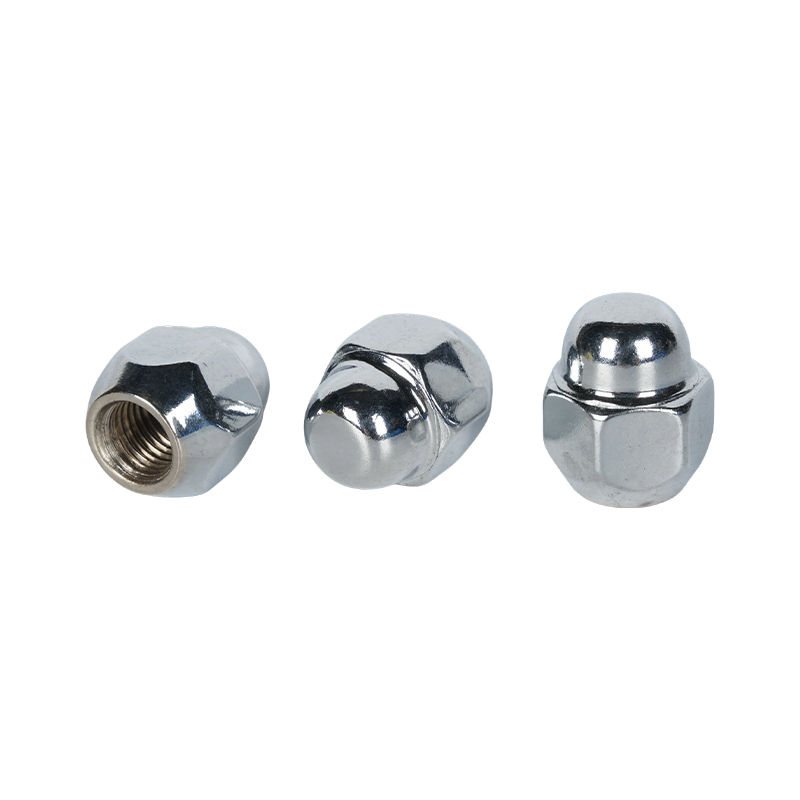
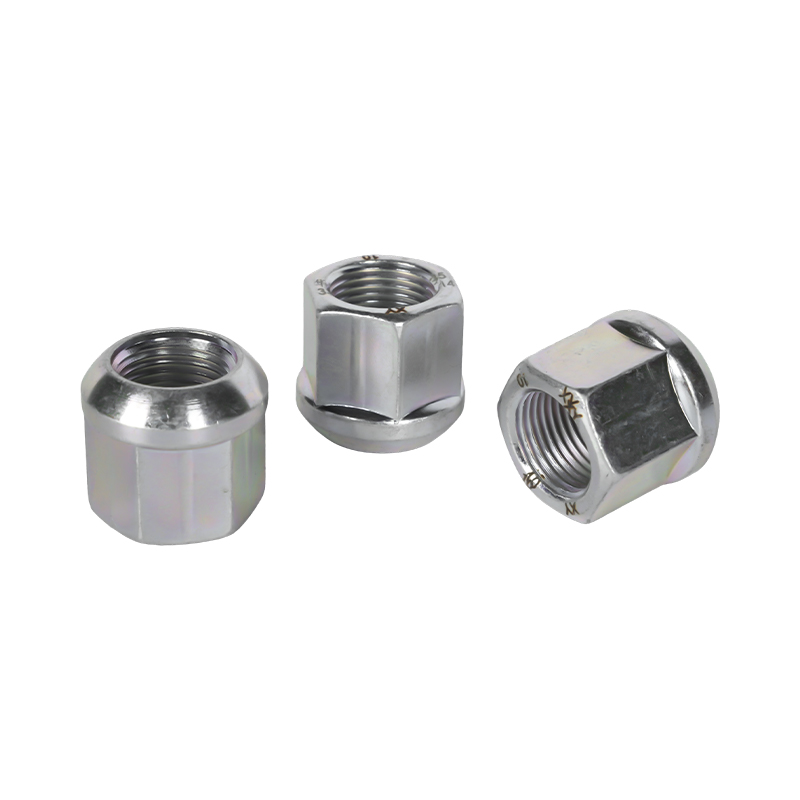
Our wheel nut work covers the two fixing principles used on current wheel hubs: the closed one-piece cap nut that shields the stud thread, and the open-end taper seat nut that centres the wheel on a machined cone. Operating as Custom Wheel Nuts Suppliers, Exporter, we quote against drawings and joint requirements rather than catalogue numbers.
Wheel nut configurations in production
- One-piece cap type hub nut — closed dome, protected thread, OEM wheel hub fitment
- Open end taper seat hub nut — open through-thread with machined cone seat
- Drawing-specific variants — seat angle, hex size, flange form, marking and coating agreed per project
Wheel Nut Range and Application Match
The range is built around wheel-to-hub joints where clamping force, seat contact and thread integrity decide whether a wheel stays true under load. Each configuration below is cold headed, tapped, heat treated and finished in-house, so dimensional and mechanical results are controlled inside one process chain.
| Configuration | Seat and interface | Typical fitment | Confirmed at drawing review |
|---|---|---|---|
| One-Piece Cap Type Automotive Wheel Hub Nut | Closed cap over the stud end, taper or flat seating face | Alloy wheel hubs on passenger vehicles, exposed nuts on finished wheels | Cap height and wall thickness, thread depth, seat angle, hex across flats, marking |
| Open End Taper Seat Automotive Wheel Hub Nut | Open through-thread, machined 60° cone seat as drawn | Steel wheels, winter and utility fitments, service and replacement programmes | Taper angle and seat runout, thread length, stud protrusion allowance, drive size |
| Closed-end flange wheel nut to drawing | Flat seating face with flange or captive washer | Trailers, light commercial hubs, spare wheel carriers | Flange diameter, washer retention, bearing surface finish, torque specification |
| Custom wheel nut to customer print | Reproduced seat geometry with optional knurl, locking feature or special marking | Aftermarket wheel brands, replacement programmes, vehicle-specific fitments | Material grade, property class, coating system, traceability marking, packaging |
Where Our Wheel Nuts Fit
Wheel nuts fail as a system, not as a single part: the seat has to match the wheel, the thread has to survive repeated torque cycles, and the finish has to hold up against road salt and brake heat. We configure each order against that joint, not against a generic nut list.
- OEM wheel hub assembly — cap type nuts where stud protection and appearance on the finished wheel are part of the specification.
- Aftermarket alloy wheel programmes — taper seat nuts where seat angle and concentricity determine vibration-free running.
- Steel wheel and winter tyre fitments — open-end nuts that allow stud protrusion to be checked after torquing.
- Trailer, spare carrier and light commercial hubs — closed-end and flanged variants made to the hub drawing.
- Automated and high-volume assembly lines — nuts specified with thread entry features that tolerate minor stud misalignment during rundown.
Materials, Strength Classes and Thread Control
Wheel nuts are produced from carbon and alloy steel selected for the property class on the drawing, with hardness and mechanical performance verified after heat treatment. Our fastener development has moved from early Class 5 and 8 parts to Class 12 production, with Class 13–14 ultra-high-strength nuts in pre-research for heavy-duty and high-performance applications.
- Thread size and pitch controlled to the drawing, with fit tolerance bands matched to the application — our machining range covers 0.06 mm to 0.30 mm control bands.
- Seat runout and hex across-flats checked as functional dimensions, because both influence torque scatter on the line.
- MAT self-correcting thread form available, where the first threads guide the stud into the correct path during automated assembly.
- Hardness testing on finished parts, with proof load and tensile verification on the mechanical test plan.
Seat Geometry and Fitment
The seating interface is the first item we settle before any tooling is released. A 60° cone seat nut must not be run on a radius-seat wheel, and a flat-seat nut without the correct washer will not develop the clamping load the hub was designed for. During drawing review we confirm seat angle, contact band width, seat diameter and the clearance between nut and wheel recess.
For cap type nuts we also agree dome height and wall section, because the cap has to clear the stud end without thinning to the point where it deforms under torque. Where a customer supplies a wheel sample rather than a complete drawing, we measure the recess and stud geometry and propose the nut dimensions around it.
Surface Finishing and Corrosion Performance
Our in-house surface finishing line supports trivalent zinc plating and zinc-nickel alloy plating, with corrosion performance verified by salt-spray testing at the level agreed for the order. For wheel nuts, the finish has to survive brake heat as well as salt spray, and plating thickness is controlled so thread fit and torque friction stay inside the specified window.
- Trivalent zinc plating for general wheel hub and underbody exposure.
- Zinc-nickel alloy plating where longer corrosion resistance is required on the drawing.
- High-temperature coating grades for fasteners close to exhaust and engine periphery, offered in 300°C, 550°C and 650–700°C performance bands.
- Appearance, colour and marking agreed per drawing, including customer logo or property class stamps.
Production Equipment and Process Control
Wheel nuts run through the same in-house chain as our flange nut and weld nut families: automatic cold heading machines, tapping machines, thread rolling equipment, heat treatment lines and hardness testers. Work instructions are written for special and critical processes, so heading, thread forming, heat treatment parameters and finishing conditions are fixed and repeatable rather than operator-dependent.
Process control starts with incoming raw material analysis, continues through in-process dimensional checks at each operation, and closes with mechanical performance testing on finished parts. Inspection points and sample sizes are defined per part number in the order documentation.
Quality Assurance and Acceptance
Xinye is certified to IATF 16949-2016, and our quality system covers the full chain from raw material to finished component. The acceptance plan for a wheel nut order is agreed before production and normally covers the items below, with results recorded per batch.
- Dimensional report on thread, seat, hex, overall height and cap or flange features
- Material and heat treatment verification, including hardness results
- Proof load or mechanical performance testing against the stated property class
- Coating thickness and salt-spray performance against the agreed finish specification
- Visual and thread gauge inspection for burrs, laps and thread damage
Information We Use to Configure Your Wheel Nut Supply
A wheel nut quotation is only as good as the joint data behind it. We work from a drawing, a sample, or a wheel and hub combination, and we return drawing review comments where geometry, tolerance or coating needs clarification before tooling starts.
- Thread size, pitch and thread direction, plus stud length and required engagement
- Seat type — taper angle, radius or flat — with seat diameter and contact band
- Hex across flats, overall height, cap or dome dimensions, flange diameter
- Material grade, property class and any torque or proof load requirement
- Coating system, colour, salt-spray target and friction considerations
- Marking, traceability and labelling requirements
- Order quantity and call-off pattern, packaging format and export documentation needs
- Applicable standard, target market regulation and any customer-specific specification
Packaging, Documentation and Repeat Supply
Wheel nuts are packed to the format agreed for the order — bulk cartons, small-unit boxes or labelled kits — with part number, batch and quantity marking as specified. Documentation is issued with each shipment and matched to the inspection records for that batch, so a later call-off can be traced back to its material and process data.
Because wheel nut programmes usually repeat over several model years, we hold tooling and process settings against the approved drawing, and any change to material, coating or geometry is reviewed with the customer before it is released to production.
Wheel Nuts Within the Wider Xinye Range
Wheel nuts sit inside a fastener and component range of more than 500 product varieties, which is useful when a hub assembly, a seat frame and a battery-pack joint have to be sourced against one quality system.
| Product family | Representative items | Where it fits |
|---|---|---|
| Nuts | Standard, weld, self-locking, knurled, slotted, clinch, non-standard and sliding nuts | Chassis, body-in-white, brackets, seat frames and threaded joints across the vehicle |
| CNC machined components, sleeves & pins | Sleeve parts and couplers, pins and shafts, precision machined components | Suspension arm mounting, hinge and pivot interfaces beside the wheel hub |
| Specialty & functional automotive components | Seat belt nuts, interior trim circlips and springs, tow hooks, sealed nuts for EV battery packs, seat adjustment shims and seat system nuts | Safety, interior and battery-pack joints where sealing or retention features are specified |
| Metal stampings, bolts & screws | Stamped brackets and plates, threaded fasteners | Supporting hardware for wheel arch, underbody and sub-assembly builds |
Frequently Asked Questions
Which wheel nut types does Xinye manufacture?
We produce the one-piece cap type hub nut and the open-end taper seat hub nut as standard configurations, plus drawing-specific wheel nuts with reproduced seat geometry, flange forms, knurl and marking for aftermarket and replacement programmes.
Can you supply wheel nuts to our own drawing, including seat angle and marking?
Yes. We work from a drawing, a physical sample or a wheel and hub combination. We confirm thread, seat, hex, overall height, material class, coating and marking, and return comments where a dimension or tolerance needs clarification before tooling is released.
What materials, property classes and coatings are available?
Wheel nuts are made from carbon and alloy steel to the property class on the drawing; our fastener development covers Class 5 and 8 through Class 12, with Class 13–14 ultra-high-strength work in pre-research. Trivalent zinc and zinc-nickel alloy plating are produced in-house, with salt-spray performance verified against the agreed specification.
How is quality controlled during wheel nut production?
We operate an IATF 16949-2016 system with written work instructions for special and critical processes. Control starts with raw material analysis, continues through in-process dimensional checks at heading, tapping, heat treatment and finishing, and closes with hardness and mechanical performance testing on finished parts.
Can wheel nuts be supplied with a self-correcting thread form?
Yes. Our MAT thread form uses a self-correcting feature on the first threads, so a slightly misaligned stud is guided back into the correct path during automated rundown. We confirm whether it suits your stud and assembly process during drawing review.
What do you need to prepare a wheel nut quotation?
Send the drawing or sample together with thread size, seat type, material and property class, coating, marking, order quantity and call-off pattern, packaging format and the applicable standard or market requirement. With that information we can propose the configuration and the inspection plan for the order.
- Contact Us
-
-
861260628@qq.com

zj@xy-nuts.com -
+86 15888350558

-
No.350 Jingyi Road, Jiaxing Port Area, Zhejiang Province, China.

-
- Quick Links
- Products
- About Us
- Capabilities
- Service
- News
- Contact Us
- Product
- Nuts
- CNC Machined Components, Sleeves & Pins
- Specialty & Functional Automotive Components
- Metal Stampings
- Bolts & Screws
- Mobile
Copyright ©
Zhejiangxinye Automobile Technology Co. , Ltd.
All Rights Reserved
Custom
Wheel Nuts Suppliers
