

 Español
 عربى
product
product
product
product
product
product
product
product
product
product
product
product
product
product
product
product

Product Category
Contact us
Seat System Nuts Suppliers
-
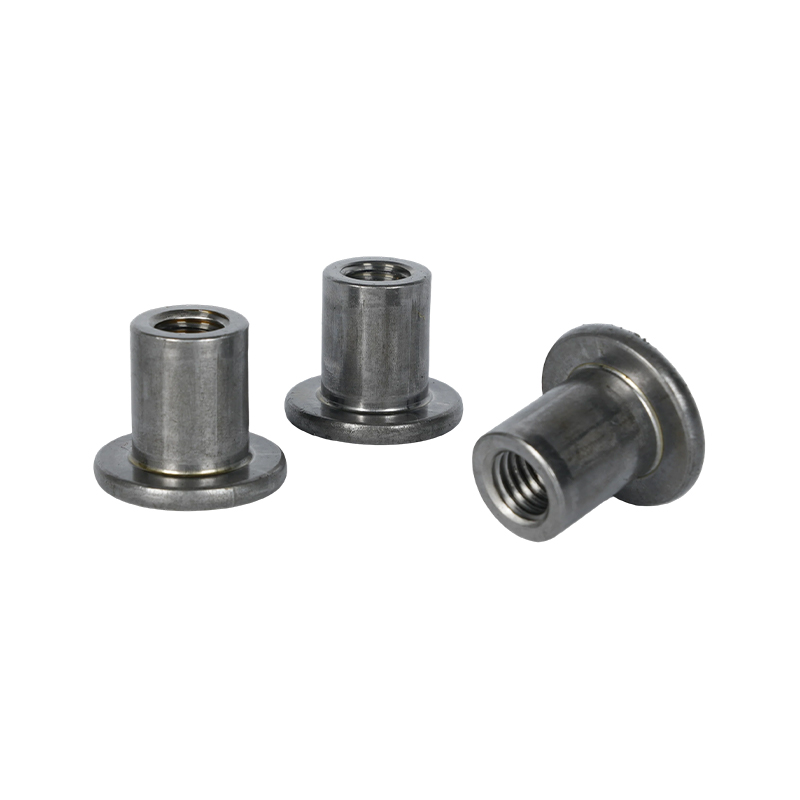
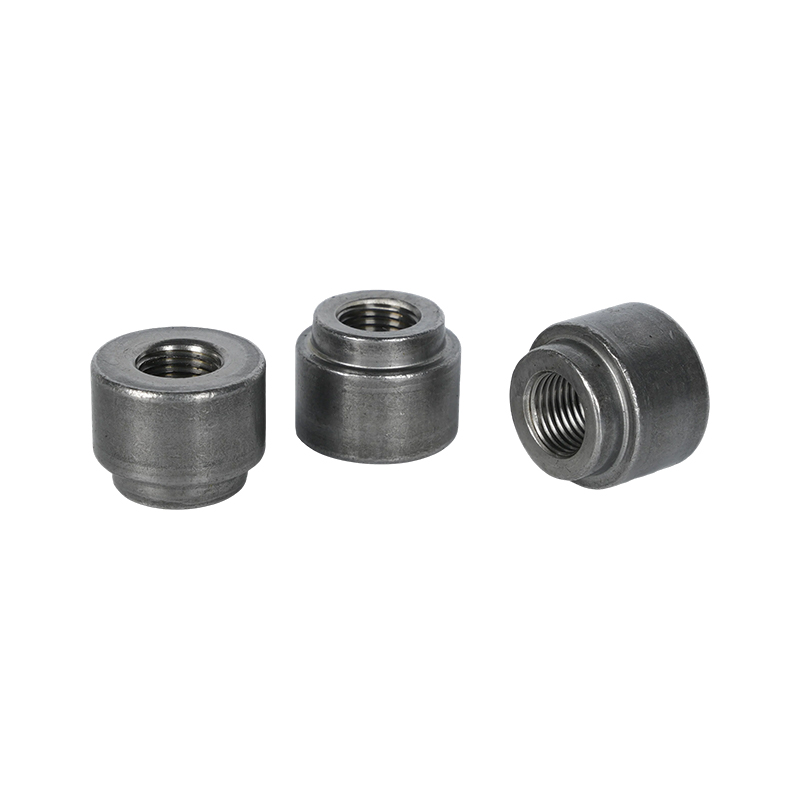
Flanged Round Internal Thread Weld Sleeve
-
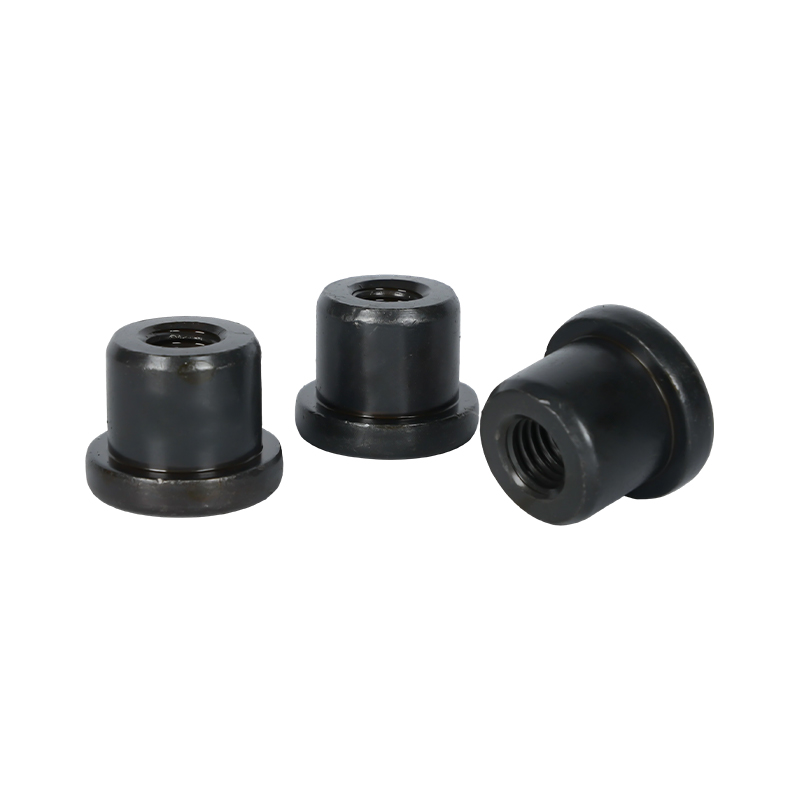
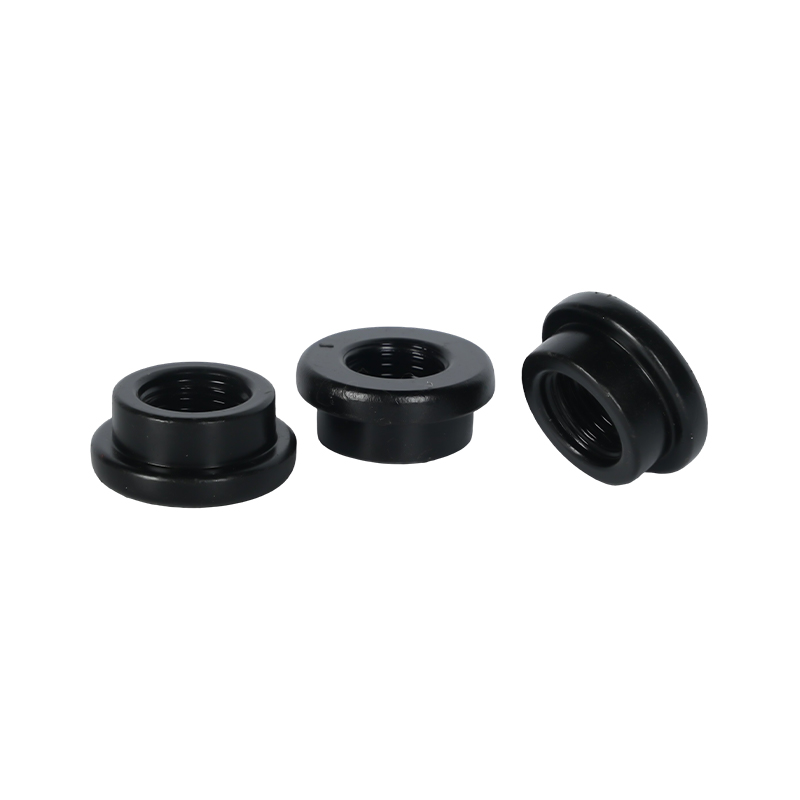
Black Flanged Round Through Thread Weld Nut
-
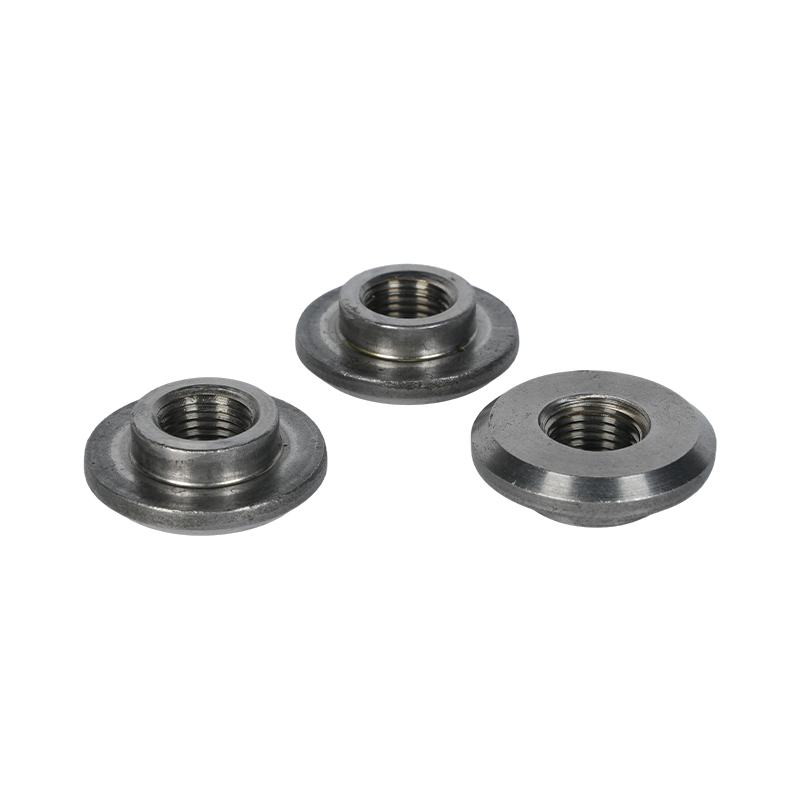
Carbon Steel Thin Flange Round Weld Nut
-
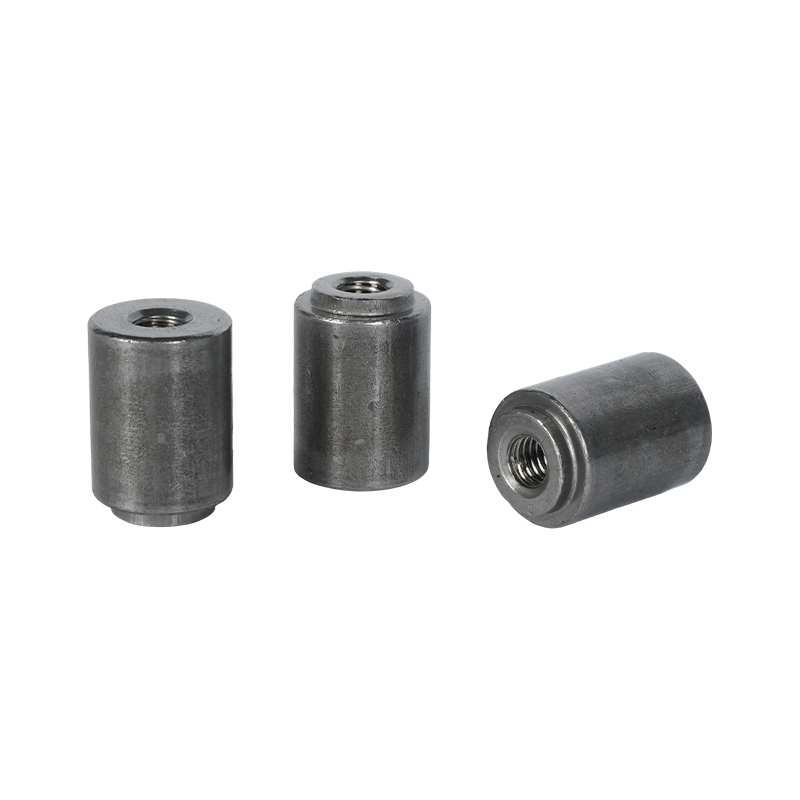
Carbon Steel Straight Cylindrical Step Round Through Thread Weld Nut
-
Straight Cylindrical Round Through Thread Weld Nut With Double End Steps
-
Black Low Cylinder Flanged Round Through Thread Weld Nut
Message Feedback
About Us
30 Years of Expertise in Automotive Fasteners
Zhejiangxinye Automobile Technology Co. , Ltd. traces its origins to 1995, evolving from Jiaxing Zhapu Xinye Standard Parts Co., Ltd. We are China Seat System Nuts Suppliers and Custom
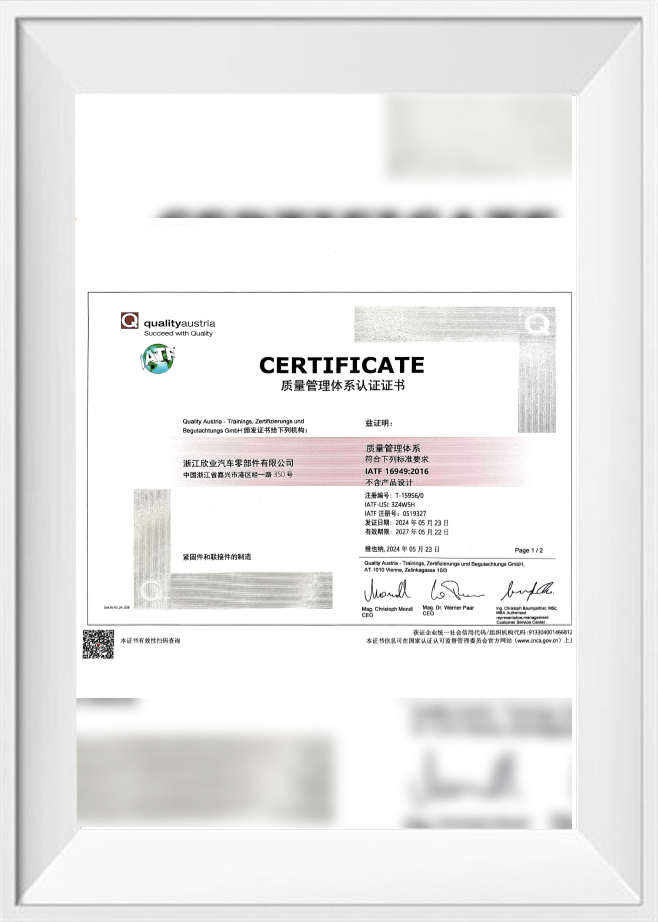
Seat System Nuts factory. The company specializes in the production of various automotive fasteners and stamping parts, including flange nuts, welding nuts, and more. For over 30 years, Xinye has kept pace with industry trends, focusing on technological innovation and internal management, and has achieved steady growth. The company is now certified to IATF 16949-2016.
Adhering to the principle of "surviving by product quality, developing by technological innovation," Xinye takes quality as its foundation and customer satisfaction as a top priority, committed to providing suitable and reliable products. To enhance product competitiveness and strengthen employee quality awareness, the company has established a sound management system and standardized process flows. Work instructions have been developed for special and critical processes, and strict quality inspections are conducted at every step. From raw material analysis to finished product mechanical performance testing, process control is implemented to ensure product conformity. The continuously improving quality management system and stable product performance have earned the company market recognition, as well as customer trust and praise.
Adhering to the principle of "surviving by product quality, developing by technological innovation," Xinye takes quality as its foundation and customer satisfaction as a top priority, committed to providing suitable and reliable products. To enhance product competitiveness and strengthen employee quality awareness, the company has established a sound management system and standardized process flows. Work instructions have been developed for special and critical processes, and strict quality inspections are conducted at every step. From raw material analysis to finished product mechanical performance testing, process control is implemented to ensure product conformity. The continuously improving quality management system and stable product performance have earned the company market recognition, as well as customer trust and praise.
-
0m2
Factory Area
-
0
Brand Origin
-
0+
Product Range


Zhejiangxinye Automobile Technology Co. , Ltd.
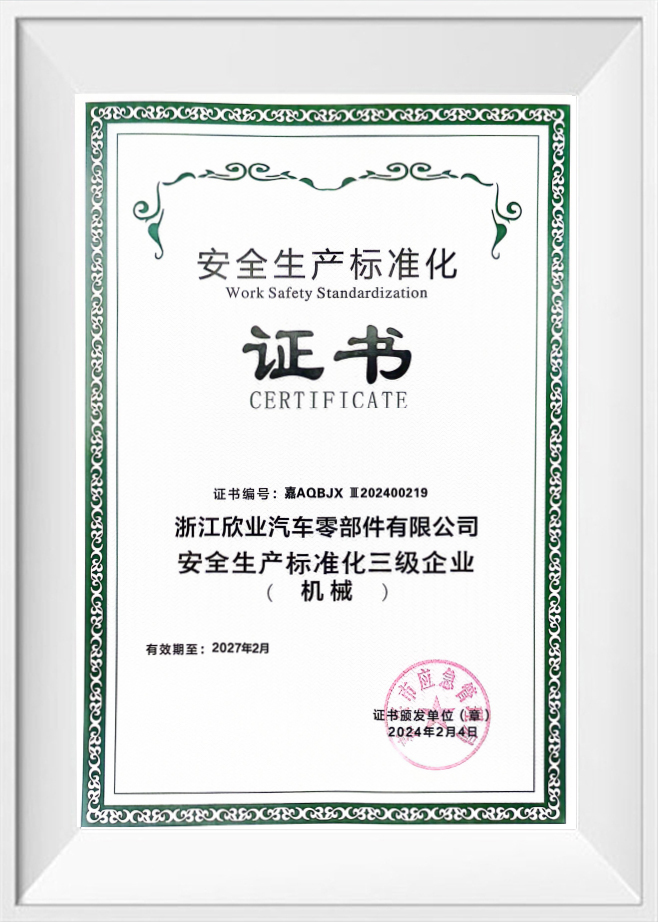
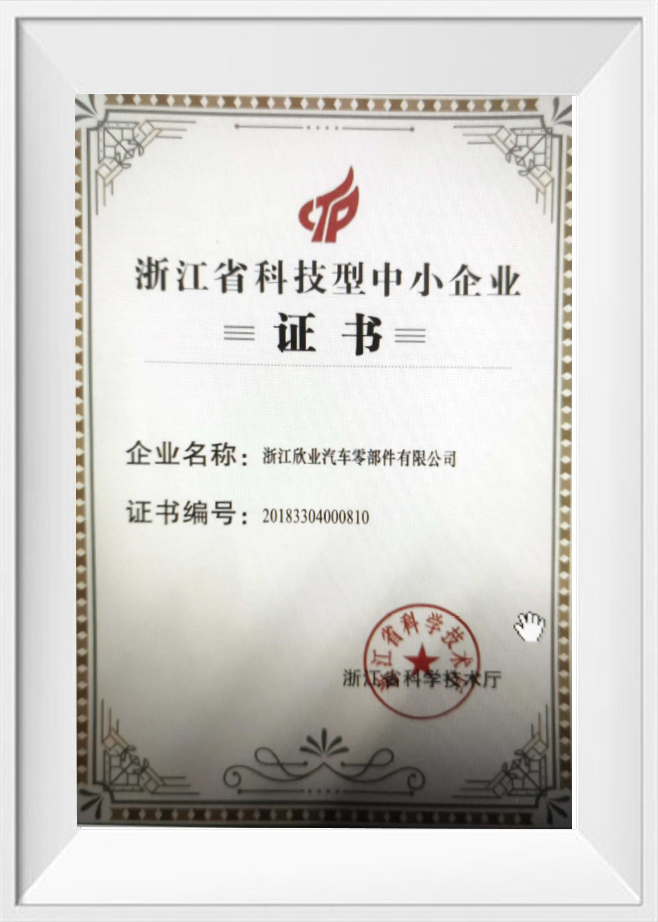
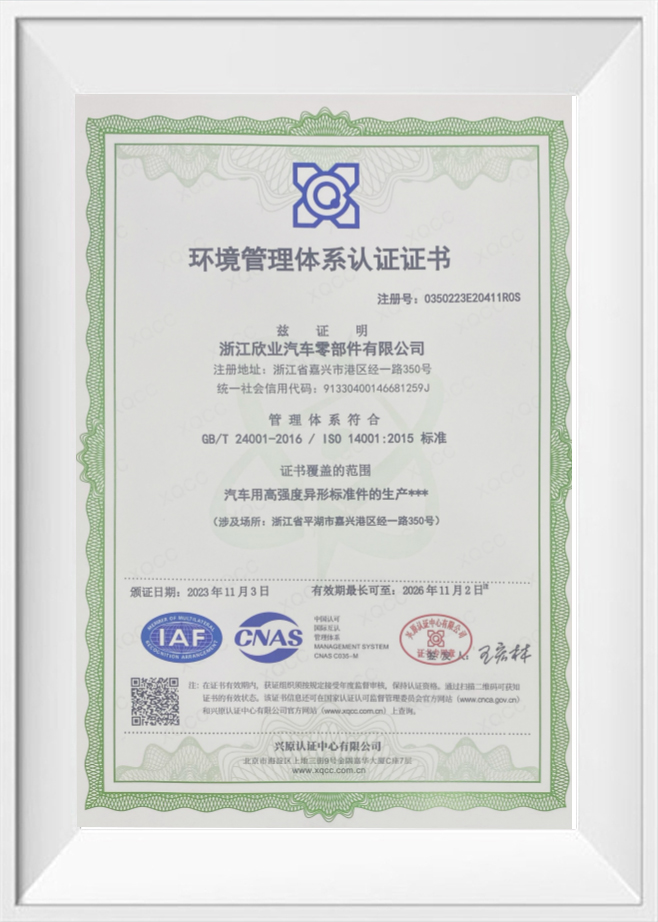
Certificate Of Honor
What’s News
Industry Insights & Updates
View All News
-
2026-11-03Industry News
-
2026-11-03Industry News
-
2026-11-03Industry News
Seat System Nuts Industry Knowledge
Zhejiangxinye Automobile Technology Co., Ltd. has produced automotive fasteners and stamping parts in Jiaxing since 1995, and the seat system nuts in this range are built for the welded and threaded joints that hold a seat frame together. We cold-head, tap, heat-treat and finish flanged weld nuts, cylindrical step nuts and threaded weld sleeves in carbon steel, working to the drawing issued for each seat structure. As a China-based manufacturer certified to IATF 16949-2016, we supply these parts to seat sub-assembly builders, tier-one component plants and distributors carrying automotive fastener stock.
Our Seat System Nuts Range
The Custom Seat System Nuts Suppliers, Exporter range covers six configurations, each defined by weld face geometry, body shape and thread path rather than by thread size alone.
| Product | Configuration focus | Typical seat application |
|---|---|---|
| Flanged Round Internal Thread Weld Sleeve | Cylindrical sleeve with weld flange, internal thread through the full bore | Rail brackets and pivot points where the bolt passes entirely through the joint |
| Black Flanged Round Through Thread Weld Nut | Round flange body, through thread, black surface finish | Under-frame joints where appearance and corrosion resistance both matter |
| Carbon Steel Thin Flange Round Weld Nut | Reduced flange thickness for shallow stack-ups | Cushion pan and seat pan welds with limited height clearance |
| Carbon Steel Straight Cylindrical Step Round Through Thread Weld Nut | Straight cylindrical body with a single locating step | Rail and frame joints that must self-locate before welding |
| Straight Cylindrical Round Through Thread Weld Nut With Double End Steps | Steps at both ends for two-sided location | Sub-assemblies clamped from both faces during build |
| Black Low Cylinder Flanged Round Through Thread Weld Nut | Low-profile cylinder with flange, black finish | Height-restricted seat base and slider mounts |
Where These Nuts Sit in the Seat Structure
Seat system nuts carry the joints that transfer occupant load into the vehicle floor, so the choice between a weld nut and a weld sleeve is usually set by how the joint is closed. A sleeve suits a through-bolt where the shank must pass the full stack; a flanged weld nut suits a stud or bolt that terminates at the frame member.
- Seat frame cross members and side rails — welded nuts for the bracketry that carries cushion and backrest load.
- Rail-to-floor mounting brackets — weld sleeves and step nuts that locate the track fixing points.
- Recliner and backrest pivot plates — through-thread nuts sized to the pivot bolt and plate thickness.
- Cushion pan and height-adjuster linkage — thin flange and low cylinder bodies where clearance is tight.
Material, Strength Class and Thread Selection
Seat system nuts are produced in carbon steel, with strength class and thread size agreed against the joint load rather than assumed from the bolt. Our strength development has progressed from Class 5 and 8 parts to Class 12, with pre-research work on higher classes for heavy-duty and high-load applications.
- Thread size and pitch — typically M5 to M10 coarse metric, with fine pitch where the joint demands finer adjustment.
- Strength class — matched to the mating bolt class and the proof load the joint must survive.
- Thread path — through thread for sleeve and clamp joints, controlled thread depth where the nut closes a stack.
- Body geometry — flange diameter, step height and cylinder length govern seat contact on the sheet and current path during welding.
Welding Interface and Dimensional Control
The weld face is the working surface of a seat system nut. Flange flatness, step concentricity and body squareness determine whether the part sits flush on the sheet before the weld schedule is applied, and whether the thread axis stays perpendicular to the frame once the joint cools.
Dimensional control across the range is held in tolerance bands from 0.06 mm to 0.30 mm, selected according to the feature and the fit required. Our MAT self-correcting thread form guides a misaligned bolt back into the thread path over the first few threads, which supports automated screwdriving on seat assembly lines.
Surface Finishing for Seat Environments
Seat hardware sits close to trim, foam and occupant contact, and under-body rail fixings meet road splash and condensation. We run surface finishing in-house, with corrosion performance agreed per part.
- Trivalent zinc plating — salt spray performance to 480 hours on the plated finish.
- Zinc-nickel alloy plating — 480 to 720 hours salt spray for harsher exposed locations.
- Black finish — applied to visible frame and bracket joints where colour matching matters.
- Temperature grades — 300 °C, 550 °C and 650–700 °C finishes where a seat fixing sits near exhaust or engine-bay heat paths.
Quality Control and Acceptance
Production follows a documented process flow under our IATF 16949-2016 system, with work instructions written for special and critical operations. Inspection starts at raw material analysis and continues through cold heading, tapping, heat treatment and thread rolling to finished mechanical performance testing, including hardness checks.
For welded seat joints, acceptance is normally agreed on the sheet thickness and weld schedule used in production: push-out force, break-away torque, thread gauging and coating thickness on the first article and on samples across the run. We confirm the inspection scope against the part drawing before release so the measured features match the ones the seat design depends on.
Related Fasteners in the Seat Assembly
Seat system nuts are supplied alongside the other joint hardware in the same assembly, which keeps material, coating and strength class consistent across the frame.
Weld Nuts
Projection and flange weld nuts outside the seat-specific range, for body and chassis joints on the same platform.
Seat Adjustment Shims & Seat Spacer Nuts
Height setting and clearance control for track and height-adjuster mechanisms.
Seat Belt Nuts
Anchor-point nuts for restraint fixings, specified to the same strength and coating logic as the frame joints.
Information We Use to Configure Your Solution
A seat system nut is configured from the joint, not from a catalogue page. We work from the drawing and the assembly conditions, and confirm the part against both before quoting.
- Joint definition — thread size and pitch, strength class, through or blind thread, mating bolt length.
- Weld interface — sheet thickness and grade, required flange diameter, step height, projection pattern, body length.
- Finish and environment — plating type, salt spray target, colour, temperature grade at the fixing point.
- Production conditions — manual or automated screwdriving, feeder orientation, annual and release quantities.
- Supply requirements — inspection documents, packaging format, labelling and delivery destination.
Drawing changes are reviewed against tooling and process capability before we release a revised part, and non-standard configurations are handled through our non-standard nuts engineering route where the seat joint calls for a geometry outside the six standard bodies.
Frequently Asked Questions
Which seat system nut should be used for a through-bolt joint?
A flanged round internal thread weld sleeve is the usual choice, because the thread runs through the full bore and the bolt passes beyond the sheet. Where the bolt terminates at the frame, a flanged round through thread weld nut gives the same weld face with a shorter body.
Can you supply seat system nuts to our own drawing and strength class?
Yes. We manufacture to the customer drawing, covering thread size, strength class, flange diameter, step geometry, body length and surface finish. Where a joint needs a body shape outside the standard six, the part is developed as a non-standard fastener with its own process and inspection plan.
What corrosion performance is available for rail and under-body fixings?
Trivalent zinc plating reaches 480 hours salt spray, and zinc-nickel alloy plating covers 480 to 720 hours for exposed locations. Black finishes are available for visible frame joints where the assembled seat is seen without trim.
How is dimensional accuracy controlled on the weld face?
Tolerance bands are set per feature from 0.06 mm to 0.30 mm, chosen for the fit the joint needs. Flange flatness, step concentricity and body squareness are checked as part of the documented inspection sequence rather than treated as secondary dimensions.
Do the nuts suit automated feeding and robotic screwdriving?
Body shape, flange diameter and the absence of burrs on the feed faces are agreed so the part orients reliably in bowl feeders. The MAT self-correcting thread guides the bolt into the thread path over the first few threads, reducing cross-threading stoppages on automated seat lines.
What documentation accompanies a seat system nut order?
Orders are released against the approved drawing and the agreed inspection scope, with results for thread gauging, hardness, mechanical performance and coating thickness. Packaging, labelling and delivery scope are fixed at quotation so the parts arrive ready for the weld cell.
- Contact Us
-
-
861260628@qq.com

zj@xy-nuts.com -
+86 15888350558

-
No.350 Jingyi Road, Jiaxing Port Area, Zhejiang Province, China.

-
- Quick Links
- Products
- About Us
- Capabilities
- Service
- News
- Contact Us
- Product
- Nuts
- CNC Machined Components, Sleeves & Pins
- Specialty & Functional Automotive Components
- Metal Stampings
- Bolts & Screws
- Mobile
Copyright ©
Zhejiangxinye Automobile Technology Co. , Ltd.
All Rights Reserved
Custom
Seat System Nuts Suppliers
