

 Español
 عربى
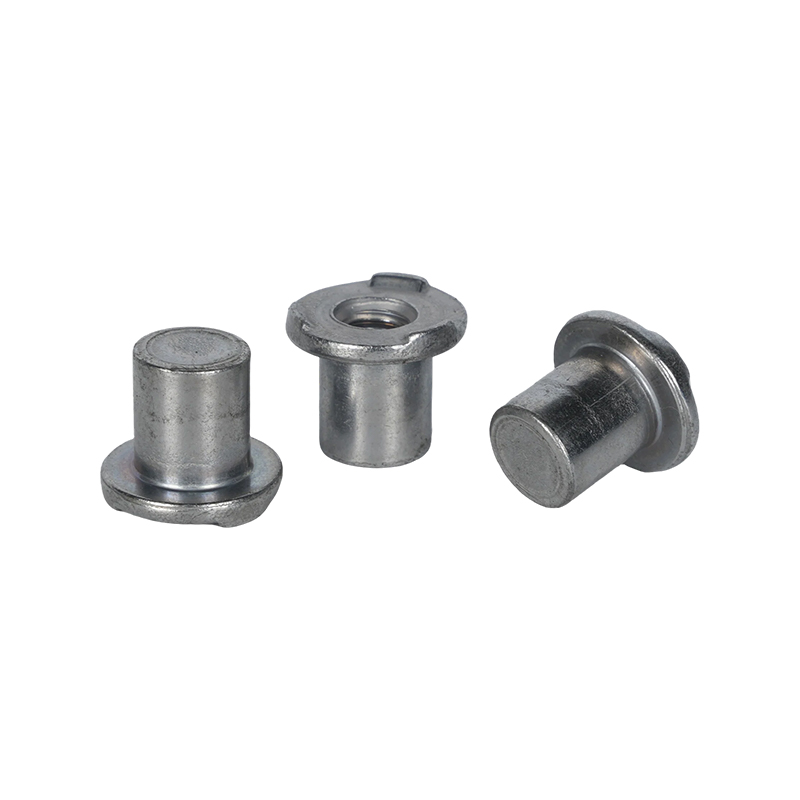
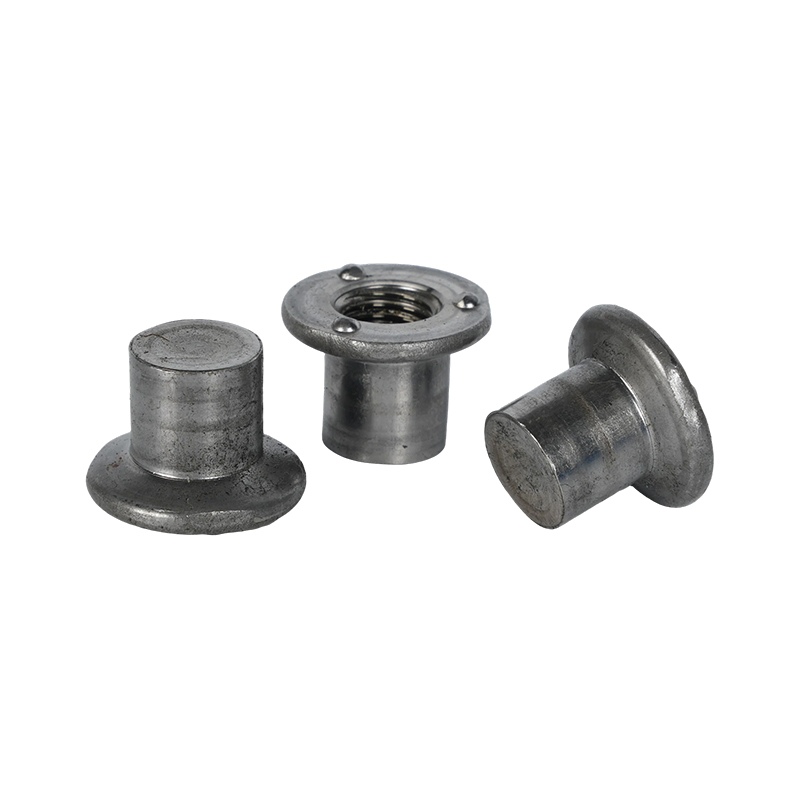
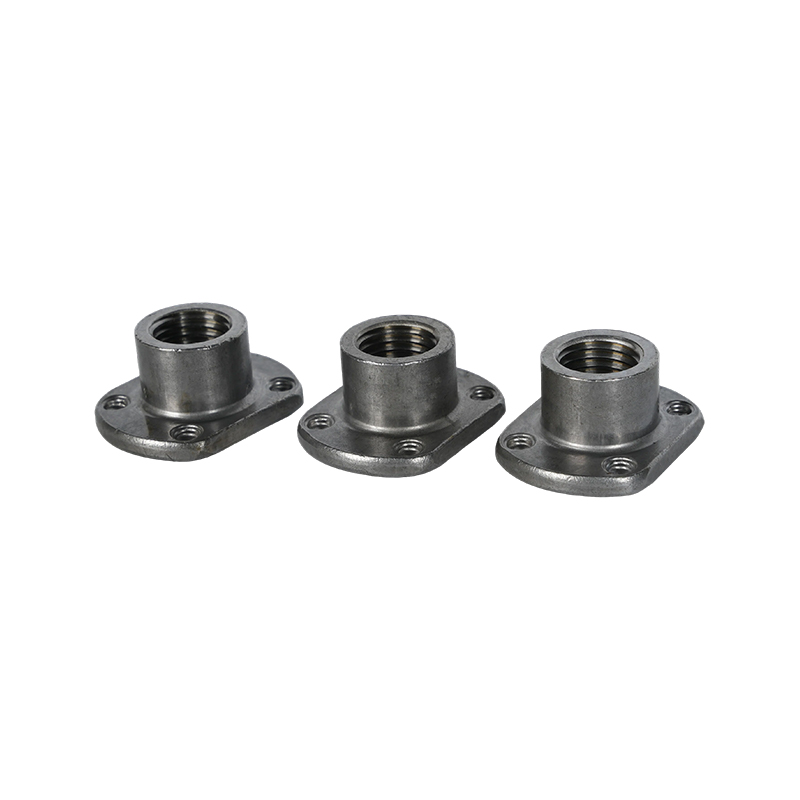
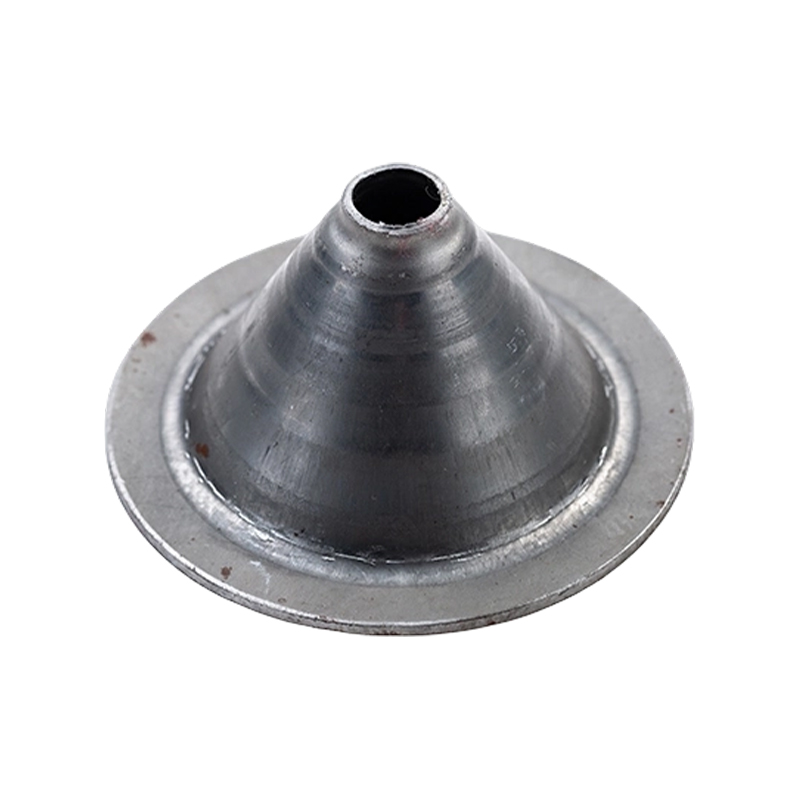
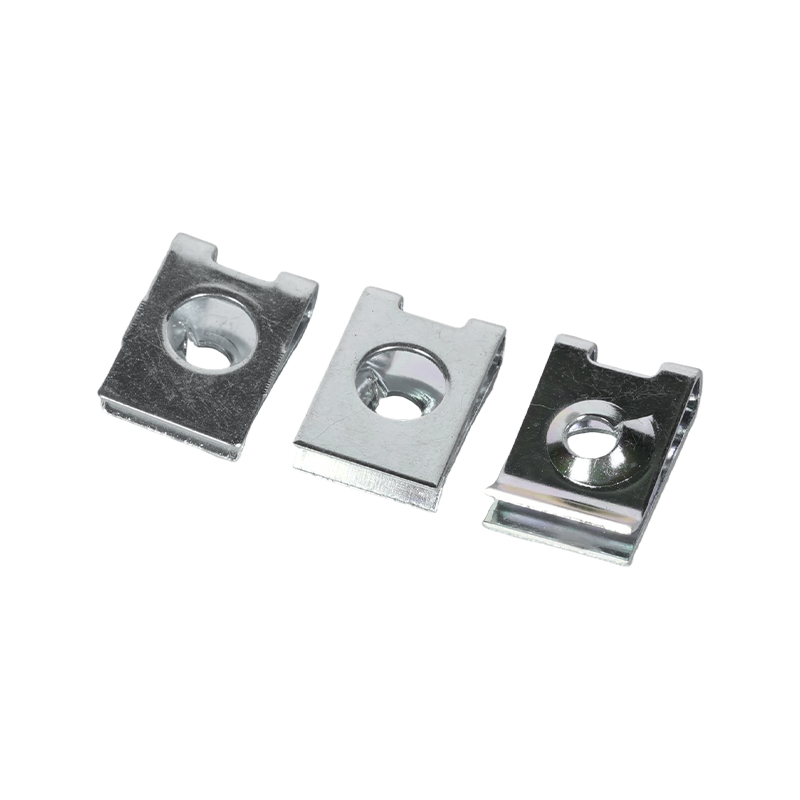
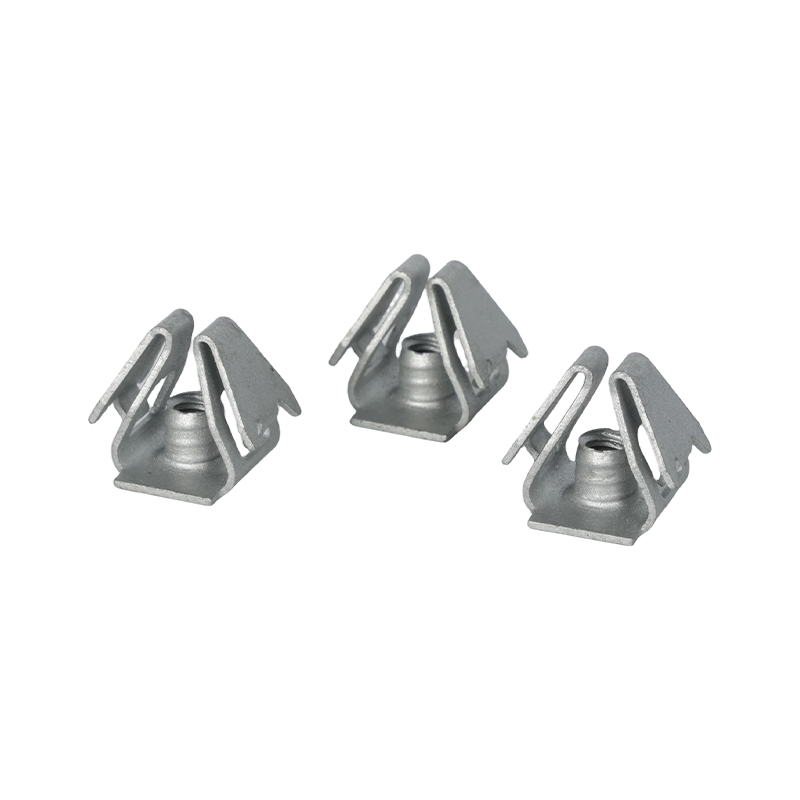
Carbon Steel Slotted Hex Flange Nuts
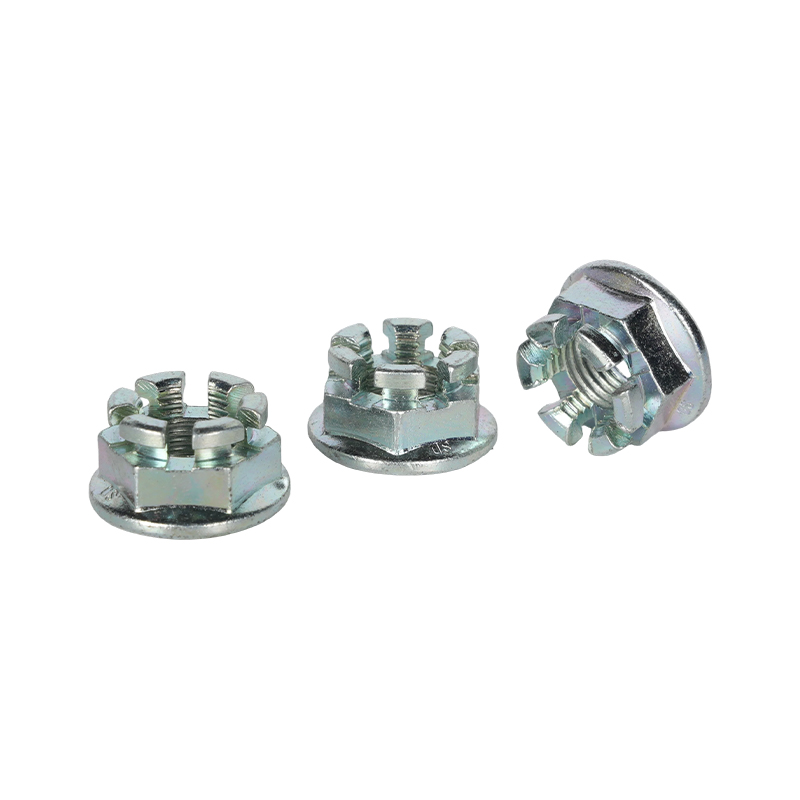
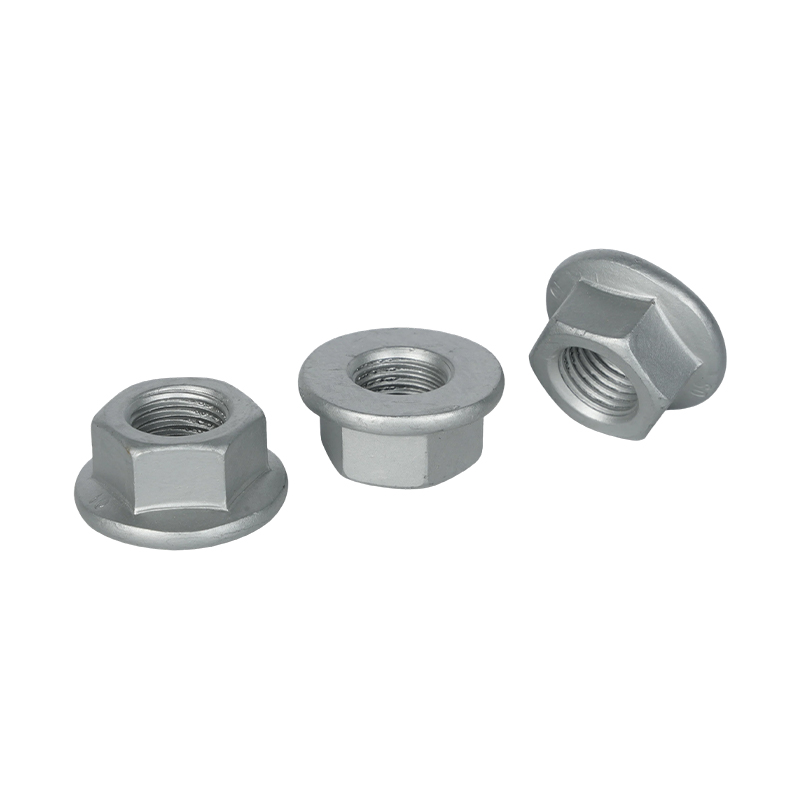
Carbon Steel Slotted Hex Flange Nuts are fastening components that combine a hexagonal body, an integrated flange and slots in the upper nut section. The hexagonal profile allows wrench or socket engagement, while the flange provides an enlarged bearing surface against the mating component. The slots form a distinctive feature that can be used in compatible fastening arrangements requiring a specified locking or retention method.
For automotive manufacturers and component suppliers, these nuts can be evaluated for selected mechanical connections where thread compatibility, fastening stability and installation requirements must be considered together. Carbon steel provides a material base that can be specified according to required strength, manufacturing conditions and service environment. Dimensions, thread details, slot configuration and surface treatment can be customized based on customer drawings or samples.
A Combined Nut Structure for Automotive Fastening Assemblies
The Carbon Steel Slotted Hex Flange Nut is designed with several functional features in one fastening component. Its hexagonal exterior provides a gripping surface for tightening and removal, and the integrated flange increases the bearing area beneath the nut. The slotted upper section provides a defined structural feature for applications that specify a compatible retention arrangement.
Carbon steel is commonly selected for mechanical fasteners because its composition and heat treatment can be specified to meet different mechanical requirements. The appropriate material grade should be determined by the intended load, assembly conditions and operating environment. Surface treatment may also be required to address corrosion exposure and other service conditions.
In automotive manufacturing, fastener selection must account for the mating bolt, component material, joint geometry and installation process. The nut's thread dimensions, slot arrangement, flange diameter and overall height should therefore be checked against the assembly drawing. Customized production requirements can be reviewed using customer-provided technical documents or physical samples.
Four Features That Define the Nut Configuration
Each structural area has a different role in installation, contact with the mating component and application compatibility.
Hexagonal Body
The external hexagonal profile provides wrench or socket engagement for tightening and removal. Across-flats dimensions should correspond to the required installation tools and assembly clearance.
Integrated Flange
The flange provides a wider contact area beneath the nut. Its dimensions and bearing surface affect contact pressure and the interface with the connected component.
Slotted Upper Section
The slots create a defined feature for specified fastening arrangements. Their width, depth, position and compatibility with the mating assembly must be confirmed from the drawing.
Internal Thread
The internal thread engages with a compatible bolt or threaded shaft. Thread diameter, pitch, tolerance and engagement length are essential selection parameters.
Considerations for Carbon Steel Automotive Nuts
Material grade, geometry and finishing requirements should be matched to the intended connection rather than evaluated independently.
Carbon Steel Material Base
MATERIAL SELECTIONCarbon steel grades can be selected according to the required mechanical properties, production process and applicable fastener specification.
Flange Contact Area
JOINT INTERFACEThe integrated flange increases the bearing area compared with a similar nut without a flange. Actual load distribution depends on the mating surface and joint design.
Slotted Configuration
FASTENING ARRANGEMENTThe slot structure can be incorporated into a specified retention arrangement where the mating components and assembly method are designed for it.
Surface Treatment Options
ENVIRONMENTAL REQUIREMENTSCoating or finishing requirements can be specified according to corrosion exposure, friction characteristics, appearance and applicable automotive standards.
Potential Use in Automotive Component Assemblies
Application suitability depends on the required fastening method, mating hardware, mechanical loading and vehicle component specifications.
Automotive Mounting Assemblies
Selected mounting points and support connections where the nut's flange geometry and specified fastening arrangement are compatible with the component design.
Chassis-Related Components
Potential use in selected auxiliary brackets and mechanical connections, subject to the required load and engineering approval.
Vehicle Body Fittings
Fastening selected body fittings and support components where the dimensions and installation method are suitable.
Automotive Equipment
Connections in selected equipment brackets, housings and auxiliary assemblies that require a specified nut configuration.
Mechanical Subassemblies
Selected threaded connections in automotive-related mechanical systems where the slotted design is part of the approved assembly.
Product Specification Reference
Specific dimensions, material grades and performance requirements should be confirmed according to the customer's drawings and the applicable product standard.
| Product Name | Carbon Steel Slotted Hex Flange Nuts |
|---|---|
| Product Category | Automotive fastening nuts |
| Base Material | Carbon steel; grade to be specified according to application requirements |
| Body Shape | Hexagonal exterior with integrated flange |
| Slot Design | Slot dimensions and configuration according to drawing or approved specification |
| Thread | Thread diameter, pitch and tolerance according to customer requirements |
| Dimensions | Across-flats size, flange diameter, height and other specified measurements |
| Surface Treatment | Finishing options evaluated according to corrosion protection and application conditions |
| Customization | Customized dimensions and product details based on technical drawings or samples |
| Application | Automotive components and compatible mechanical assemblies |
Custom Carbon Steel Slotted Hex Flange Nuts Based on Your Drawings
Automotive fastening projects may involve different thread systems, flange dimensions, slot arrangements and material specifications. Standard dimensions may not meet every assembly requirement. Customized product specifications can therefore be evaluated according to the customer's technical drawings, reference samples and application details.
Providing complete technical information helps clarify the required configuration before quotation, sample evaluation and production planning.
Key Inspection Points for Automotive Fastener Orders
Clear inspection criteria help maintain consistency between approved samples, production batches and repeat orders.
Material Verification
Check the material grade and relevant incoming material requirements against the approved specification.
Dimensional Inspection
Verify thread dimensions, hexagonal body measurements, flange geometry and slot configuration.
Thread and Fit Evaluation
Check thread compatibility and engagement with the specified mating bolt or threaded component.
Surface and Final Inspection
Review the specified surface condition, appearance and agreed inspection criteria before packing.
What Buyers Should Confirm Before Ordering
Automotive procurement teams can use the following information to establish a clear technical specification and reduce mismatches during sourcing.
Confirm the Intended Slot Function
Slotted nut designs can be used with specific retention arrangements, but the slot configuration alone does not establish a locking function. Buyers should confirm the intended mating component, retention method and assembly requirements before selecting the nut.
Carbon Steel Slotted Hex Flange Nuts FAQ
Answers to common questions about product structure, automotive applications and customized fastener sourcing.
What are Carbon Steel Slotted Hex Flange Nuts?
They are fastening nuts made from carbon steel and designed with a hexagonal exterior, an integrated flange and slots in the upper section. The combination provides a wrench-engaging body, a wider bearing surface and a defined slot configuration for compatible fastening arrangements.
What is the purpose of the flange?
The flange increases the bearing area beneath the nut and can help distribute clamping pressure over a wider contact surface. Its effectiveness depends on the flange geometry, mating component and joint design.
What is the function of the slots in the nut?
The slots provide a structural feature for specified fastening or retention arrangements. Their intended function depends on the mating hardware and assembly design. The slot dimensions and compatible retention method should be confirmed before use.
Are these nuts suitable for automotive applications?
They can be evaluated for selected automotive mechanical connections where the thread, material, flange geometry and slot arrangement meet the application requirements. Final suitability should be confirmed through engineering review and appropriate testing.
Why is carbon steel used for this type of nut?
Carbon steel provides a material base that can be specified for different mechanical requirements. The appropriate grade and any required heat treatment or surface finishing should be selected according to the intended load, operating environment and applicable specifications.
Can the slot dimensions and flange size be customized?
Yes. Customized dimensions and structural details can be evaluated based on customer drawings or samples. This may include thread specifications, hex dimensions, flange diameter, nut height and slot configuration, subject to manufacturing feasibility.
What surface treatments can be specified?
Surface treatment requirements can be discussed according to corrosion exposure, friction characteristics, appearance and applicable automotive specifications. The required finish should be confirmed during the quotation and technical review process.
What information should be provided for a quotation?
Buyers should provide a technical drawing or sample, thread dimensions, material grade, flange and slot dimensions, surface treatment, order quantity and intended automotive application. Mating bolt information is also useful for checking thread compatibility.