Frequently Asked Questions
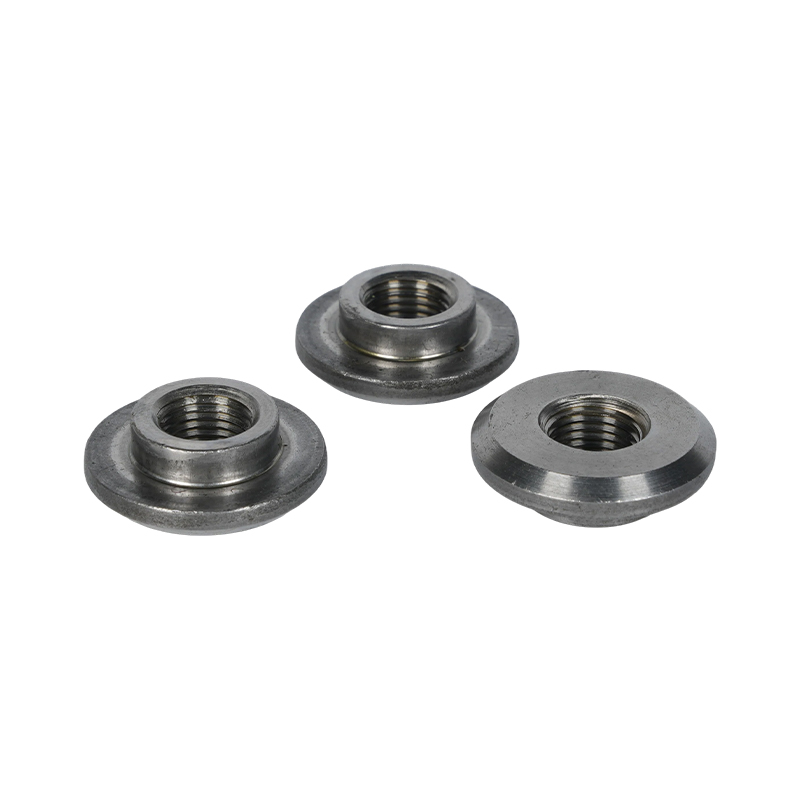
Q: What is the difference between a weldable spacer and a standard spacer?
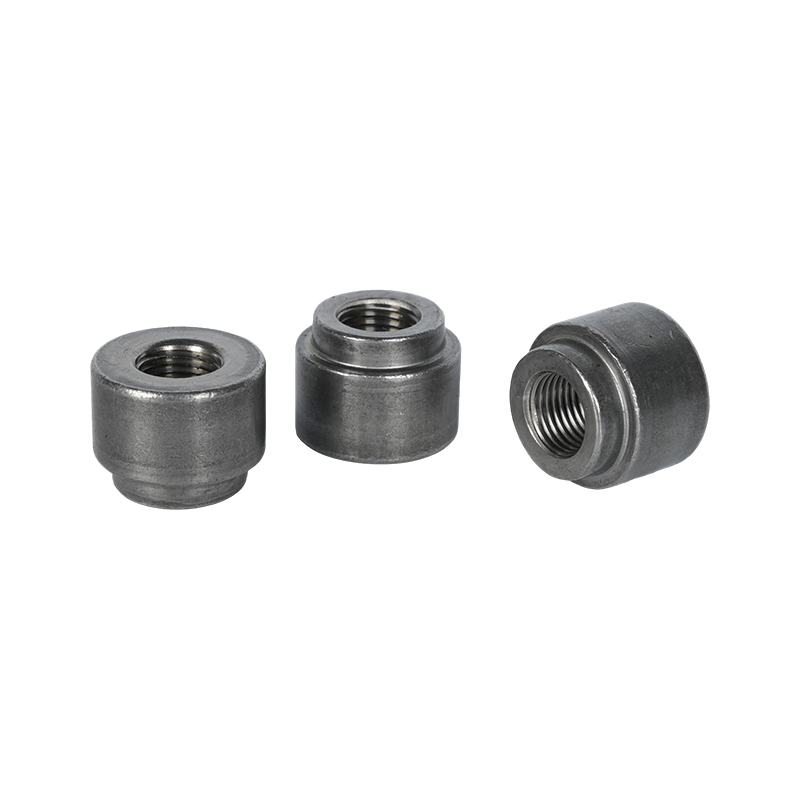
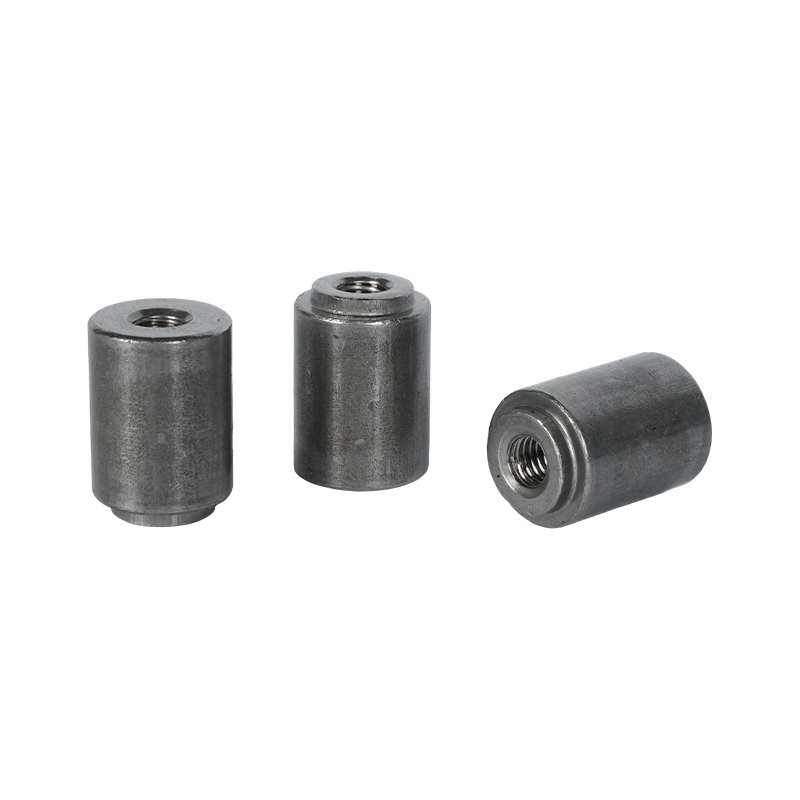
A: A weldable spacer is manufactured from material grades and with geometries compatible with welding attachment to a base workpiece, enabling permanent positioning. Standard spacers are typically used with mechanical fasteners only and are not designed for welding attachment.
Q: What is the purpose of the unthreaded clearance hole?
A: The clearance hole accommodates a bolt or screw passing through the spacer without engaging threads, allowing the spacer to function as a standoff component. The fastener secures the assembly while the spacer maintains the required distance between components .
Q: Can these spacers be reused after welding?
A: The welded configuration is intended for permanent installation. Once welded to a workpiece, the spacer is fixed in position and cannot be removed without destructive methods. For applications requiring removal or repositioning, non-welded spacer configurations should be considered.
Q: What welding methods are compatible with this product?
A: The spacer can be attached using welding processes compatible with the spacer material grade and workpiece material, provided the application-specific welding parameters are set accordingly.
Q: What is the column strength of these spacers?
A: The column strength is determined by material grade, wall thickness, and overall length. Roll-formed spacers typically provide approximately 70% of the column strength of equivalent machined tube or pipe sections of similar dimensions and material. Heavy-wall configurations provide increased column strength and load-bearing capacity .
Q: Are these spacers available in non-standard lengths?
A: Custom lengths can be manufactured upon request, subject to tooling availability and minimum order quantity requirements.