

 Español
 عربى
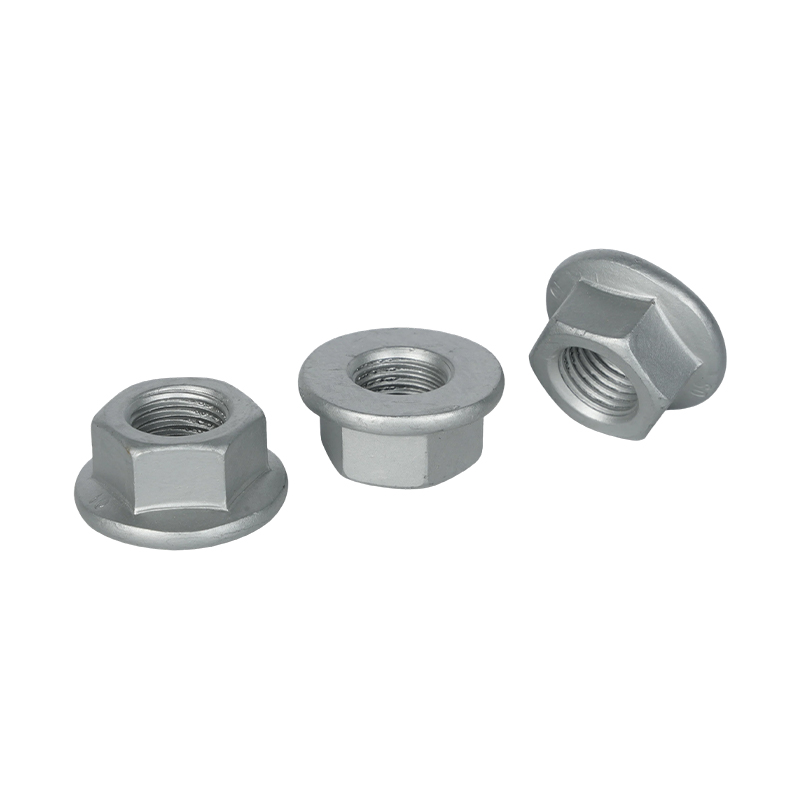
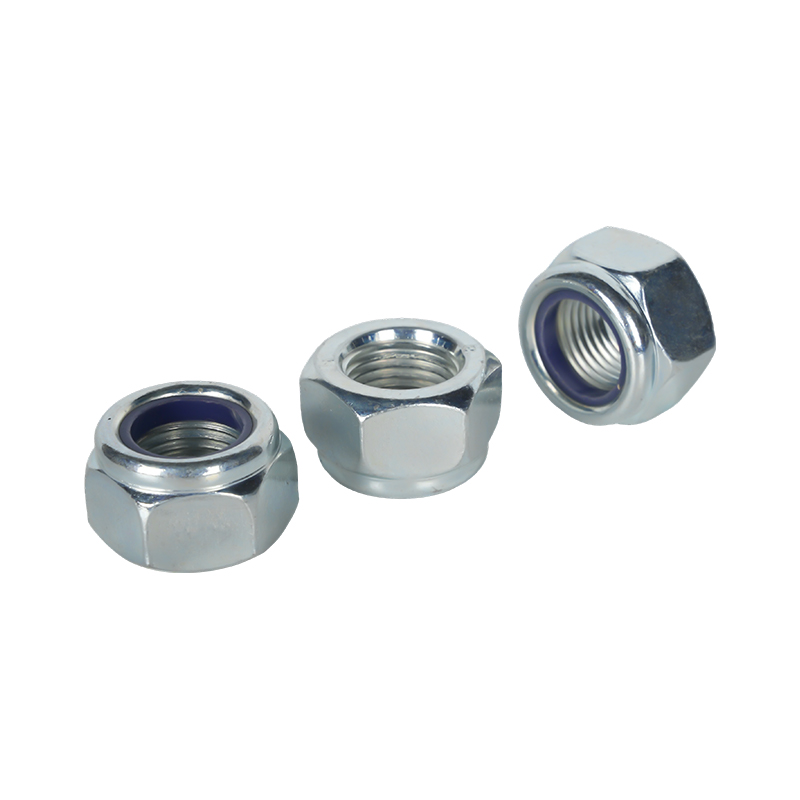
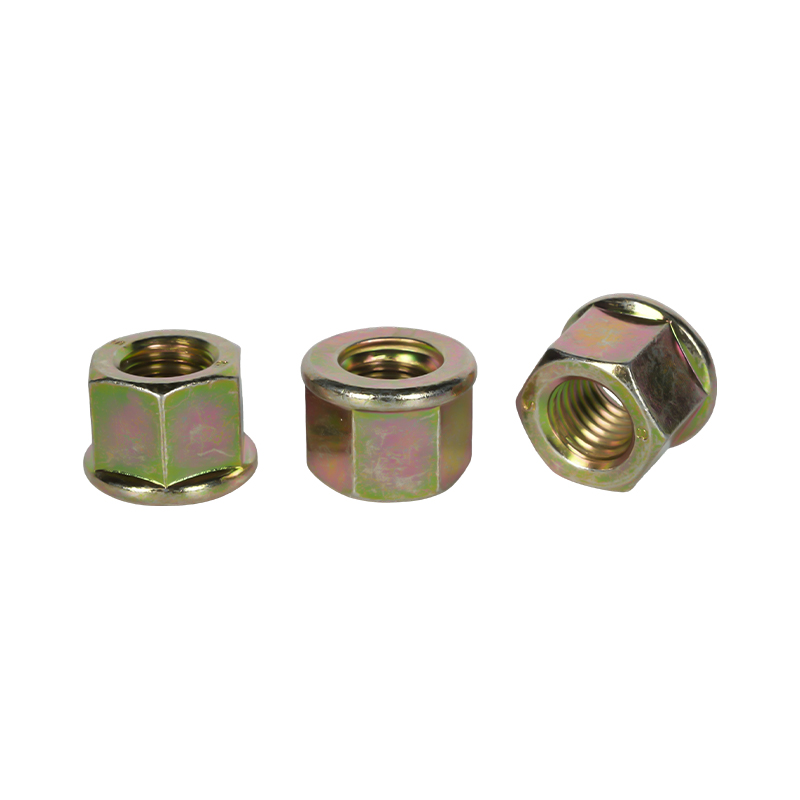
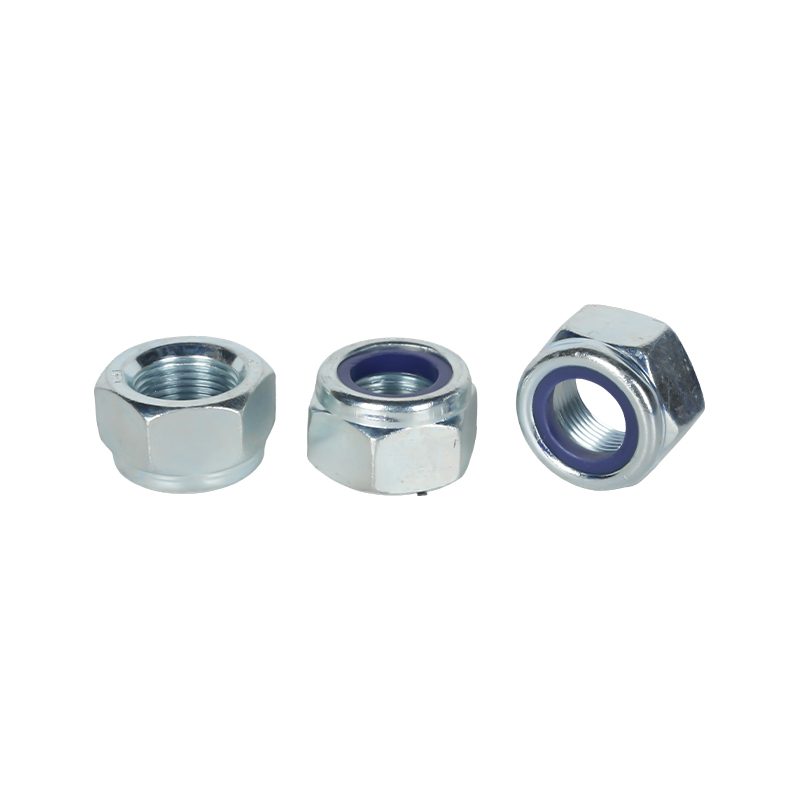
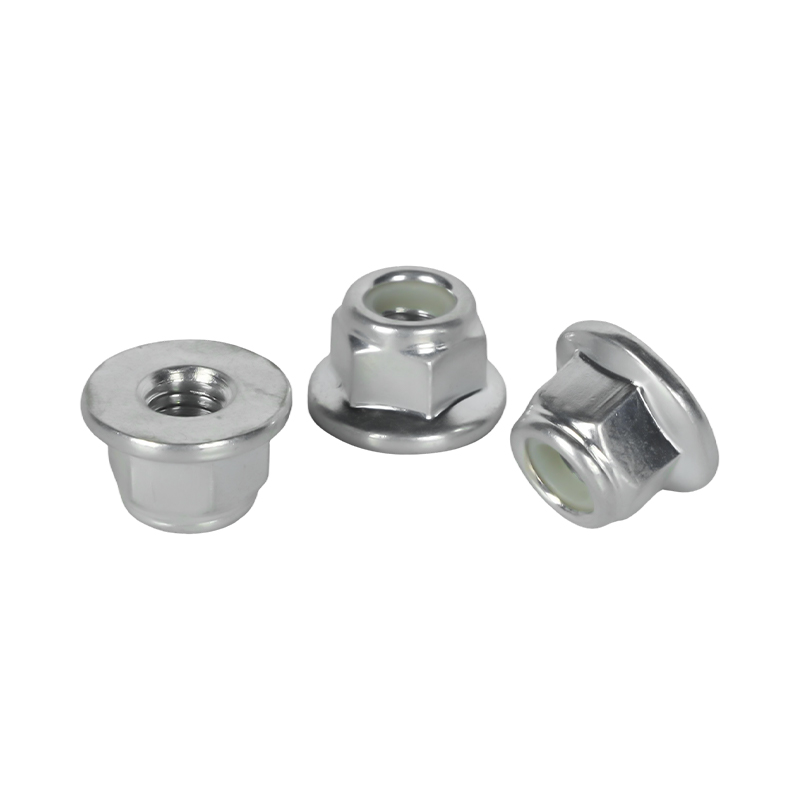
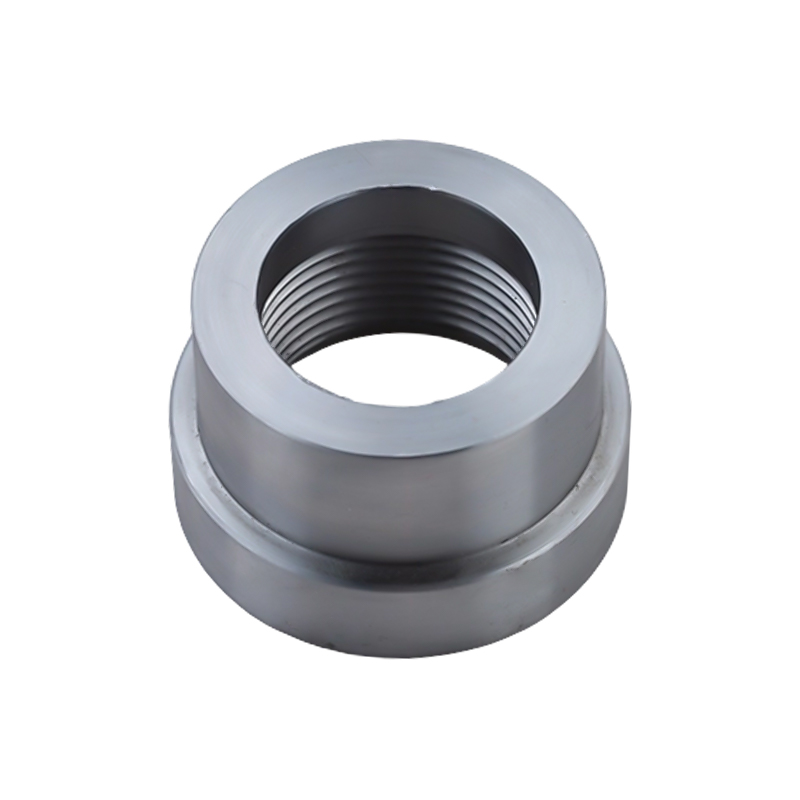
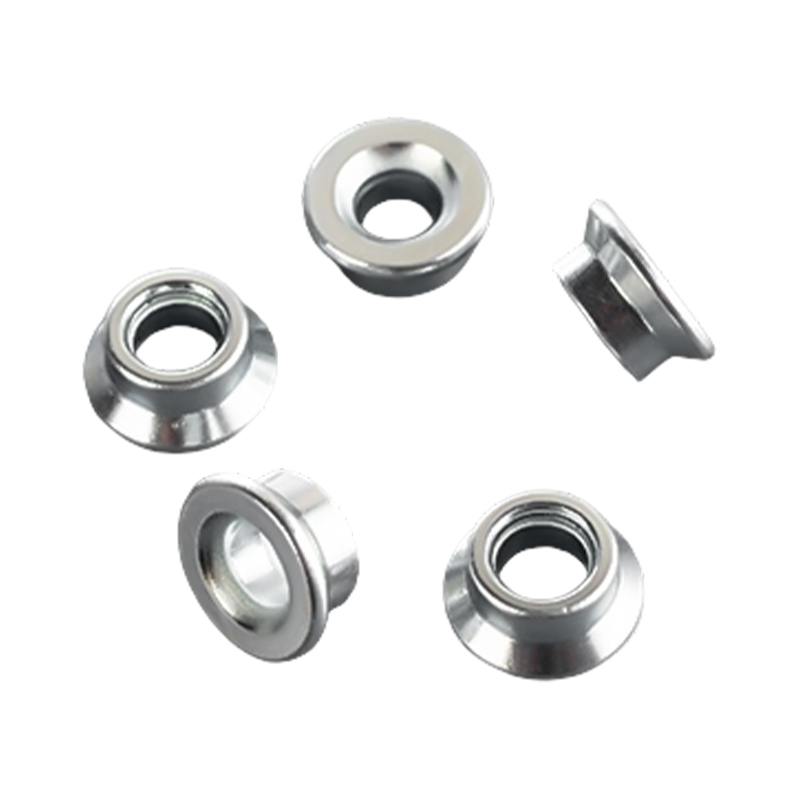
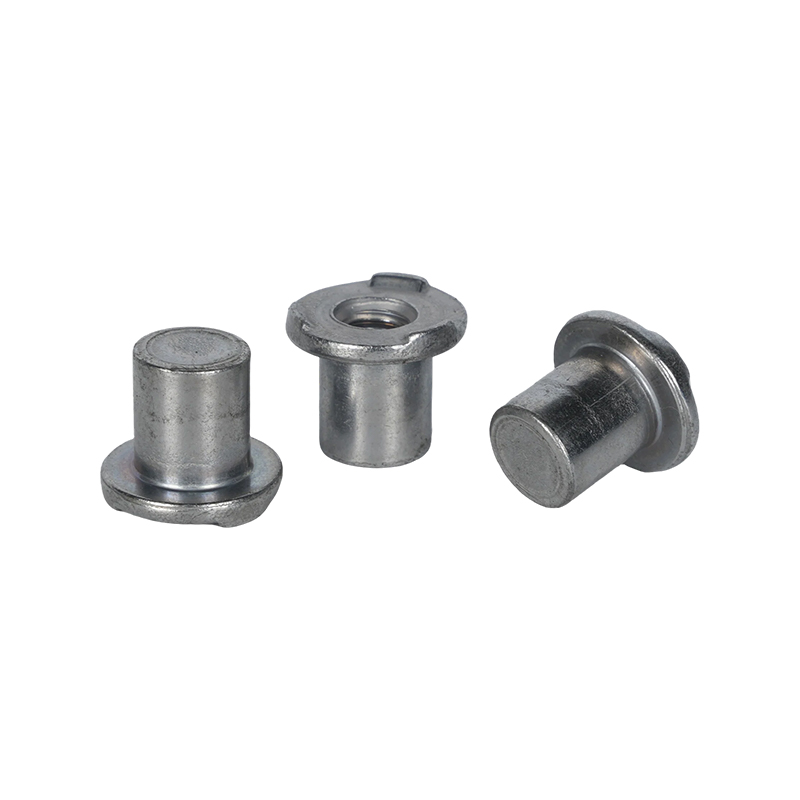
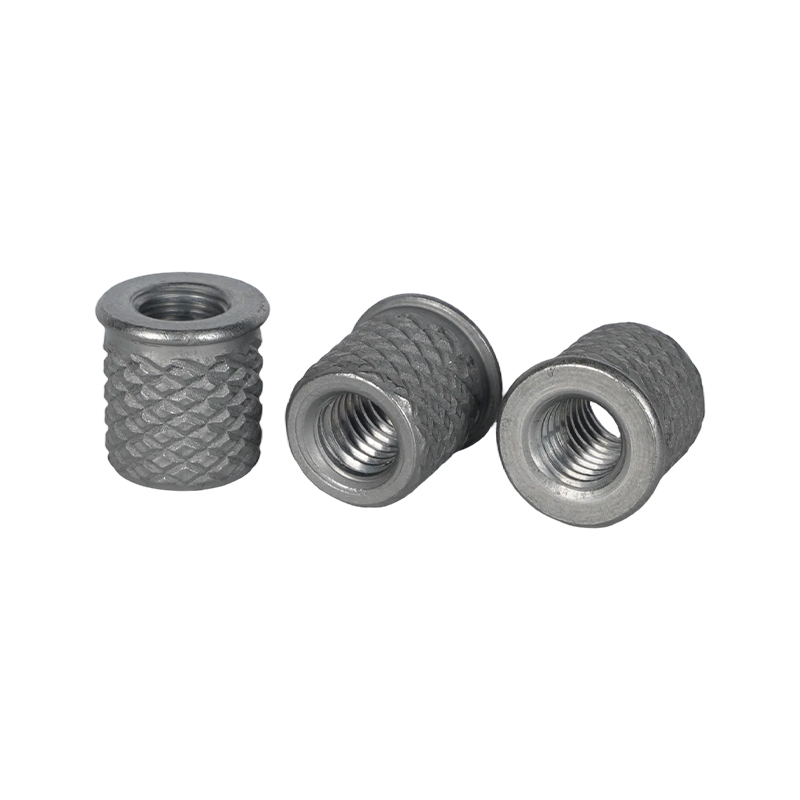
Domed Flange Nut Design for Automotive Fastening Connections
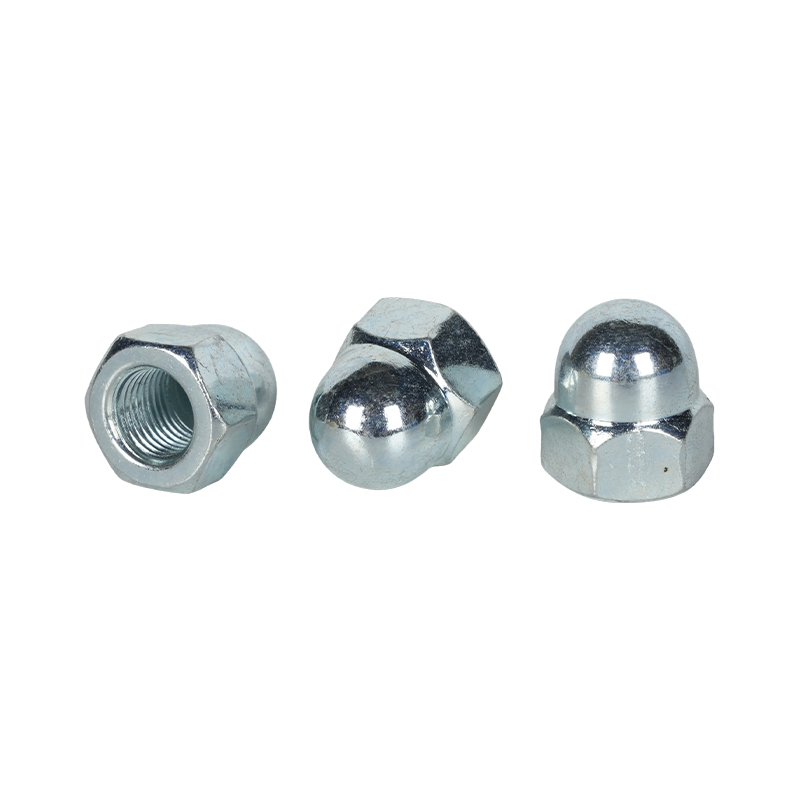
The GB/T 802.3 Domed Flange Nut combines a threaded fastening section, an integrated flange and a rounded closed top. The flange distributes the bearing load over a wider contact area than a conventional nut without an integrated flange, depending on the mating surface and joint configuration. The domed profile covers the exposed end of the bolt, helping create a finished appearance and reducing direct exposure of the bolt end.
In automotive applications, this nut configuration may be considered for selected exterior fittings, interior assemblies, brackets, support structures and other component connections. The actual application should be assessed according to joint loading, available installation space, environmental conditions and the requirements of the vehicle component.
Customization can be discussed for dimensions, materials, finishes and other drawing-based requirements. Buyers can provide a technical drawing, sample or reference specification to evaluate compatibility with their assembly system.
Three Functional Areas of the Domed Flange Nut
The nut's geometry determines how it interfaces with the bolt, mating surface and surrounding components.
Domed Top
The rounded upper section covers the exposed end of the mating bolt when the connection is assembled. It provides a finished profile and can reduce direct contact with the exposed thread end.
Integrated Flange
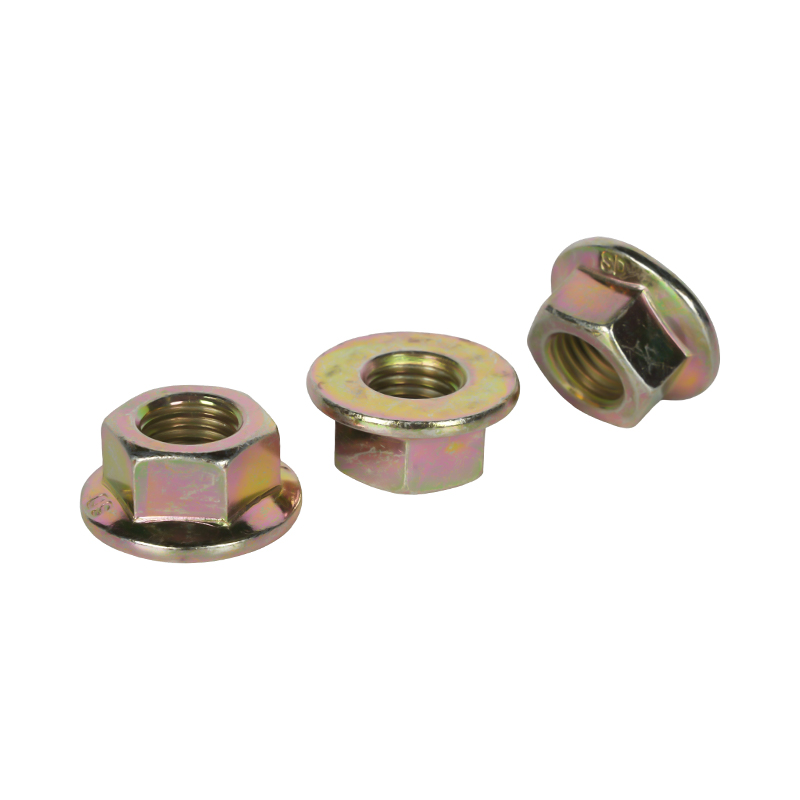
The flange forms a wider bearing surface beneath the nut. Its contact area can help distribute clamping pressure across the mating surface, subject to flange dimensions and joint design.
Internal Thread
The threaded section engages with a compatible bolt or threaded stud. Thread diameter, pitch, tolerance and engagement length must match the specified fastening connection.
Features Relevant to Automotive Component Manufacturers
Product selection can be based on connection requirements, assembly conditions and the physical characteristics of the mating components.
Combined Flange Structure
The integrated flange provides a broader bearing surface without requiring a separate washer in applications where the design permits direct flange contact.
Covered Bolt End
The domed upper profile conceals the exposed bolt end, which can be useful where appearance, contact protection or a covered fastening finish is required.
Automotive Component Compatibility
Available for evaluation in selected vehicle assemblies, provided the nut dimensions, material properties and mechanical requirements match the application.
Drawing-Based Customization
Customized specifications can be evaluated according to customer drawings, reference samples, dimensional requirements and requested surface treatments.
Potential Application Areas in Vehicle Manufacturing
Domed flange nuts can be considered for automotive fastening points where their geometry and mechanical specifications are suitable for the joint.
Vehicle Body Components
BODY ASSEMBLYSelected body fittings, mounting points and auxiliary connections where a covered bolt end and flange bearing surface are required.
Interior Fittings
INTERIOR ASSEMBLYSuitable fastening points in selected interior structures, trim supports and equipment mounting components, subject to design approval.
Brackets and Mounting Assemblies
SUPPORT STRUCTURESConnections involving compatible brackets, support plates and auxiliary mounting components in vehicle assemblies.
Automotive Equipment
AUXILIARY SYSTEMSSelected equipment housings and auxiliary system connections where the nut's dimensions and load capacity meet engineering requirements.
Specification and Customization Reference
Final specifications should be confirmed against the applicable standard edition, engineering drawing and agreed inspection requirements.
| Product Name | GB/T 802.3 Domed Flange Nuts |
|---|---|
| Product Type | Domed top nut with integrated flange |
| Standard Reference | GB/T 802.3; applicable edition and dimensional requirements to be confirmed |
| Application | Automotive fastening and selected mechanical assemblies |
| Thread Specification | Thread diameter, pitch and tolerance according to order requirements |
| Material | Material grade can be specified according to mechanical and environmental requirements |
| Surface Treatment | Available finish to be evaluated according to corrosion resistance, appearance and application requirements |
| Customization | Drawing-based or sample-based specifications can be evaluated |
| Packaging | Packaging method can be discussed according to handling, storage and shipment requirements |
Customized Domed Flange Nuts for Specific Automotive Requirements
Different automotive components may require different fastening dimensions, material properties and surface finishes. Standard specifications may not cover every assembly condition, so drawing-based customization is an important part of fastener sourcing.
Customers can submit technical drawings, samples or detailed specifications for evaluation. The requested configuration can then be reviewed in terms of manufacturing feasibility, dimensional requirements and application compatibility.
Dimensional Customization
Thread dimensions, flange size, nut height and other specified measurements.
Material Selection
Material and mechanical property requirements based on the intended fastening environment.
Surface Finish Requirements
Finishing options evaluated according to corrosion exposure, friction and appearance requirements.
Drawing and Sample Reference
Product details can be reviewed using customer drawings, samples or technical specifications.
Important Checks for Automotive Fastener Sourcing
For repeat automotive orders, buyers should establish clear product specifications and inspection criteria before mass production.
Dimensional Inspection
Check thread dimensions, flange geometry, overall height and other drawing-defined measurements.
Thread Compatibility
Verify thread fit with the specified bolt or stud and confirm engagement requirements.
Mechanical Requirements
Confirm material grade and applicable mechanical properties against the product specification.
Surface Condition
Review coating coverage, surface appearance and relevant corrosion protection requirements.
What to Prepare for a Product Inquiry
To evaluate a GB/T 802.3 Domed Flange Nut order accurately, automotive buyers and procurement teams should provide the following information wherever available:
Frequently Asked Questions
Common questions about GB/T 802.3 Domed Flange Nuts, automotive applications and customized orders.
What are GB/T 802.3 Domed Flange Nuts?
GB/T 802.3 Domed Flange Nuts are nuts with an integrated flange and a domed upper profile. They combine a threaded fastening section with a wider bearing surface and a covered top configuration. The exact dimensions and technical requirements should be checked against the applicable standard edition.
What is the function of the flange on this nut?
The flange provides a larger bearing area beneath the nut, which can help distribute clamping pressure across the mating surface. Its suitability depends on the joint design, contact surface and specified tightening conditions.
Why is the top of the nut domed?
The domed section covers the exposed end of the mating bolt when properly assembled. This provides a finished appearance and can reduce direct exposure of the bolt end. The bolt length and nut dimensions must be compatible to achieve the intended fit.
Can GB/T 802.3 Domed Flange Nuts be used in automotive applications?
They can be considered for suitable automotive component connections where the dimensions, material properties, mechanical performance and environmental requirements meet the application specification. Final use should be confirmed by the customer's engineering requirements.
Can these domed flange nuts be customized?
Yes. Customized requirements can be evaluated based on customer drawings, samples or technical specifications. Dimensions, materials, surface treatments and other agreed product details can be reviewed for manufacturing feasibility.
What information is needed for a customized quotation?
Useful information includes a technical drawing or sample, standard reference, thread dimensions, material grade, surface treatment, required quantity and intended automotive application. These details help clarify the product configuration before quotation and sampling.
How can buyers confirm whether the nut matches their bolt?
Buyers should compare the thread diameter, pitch, tolerance and engagement requirements of the nut and mating bolt. The bolt length should also be checked against the domed top geometry to ensure proper assembly without interference.