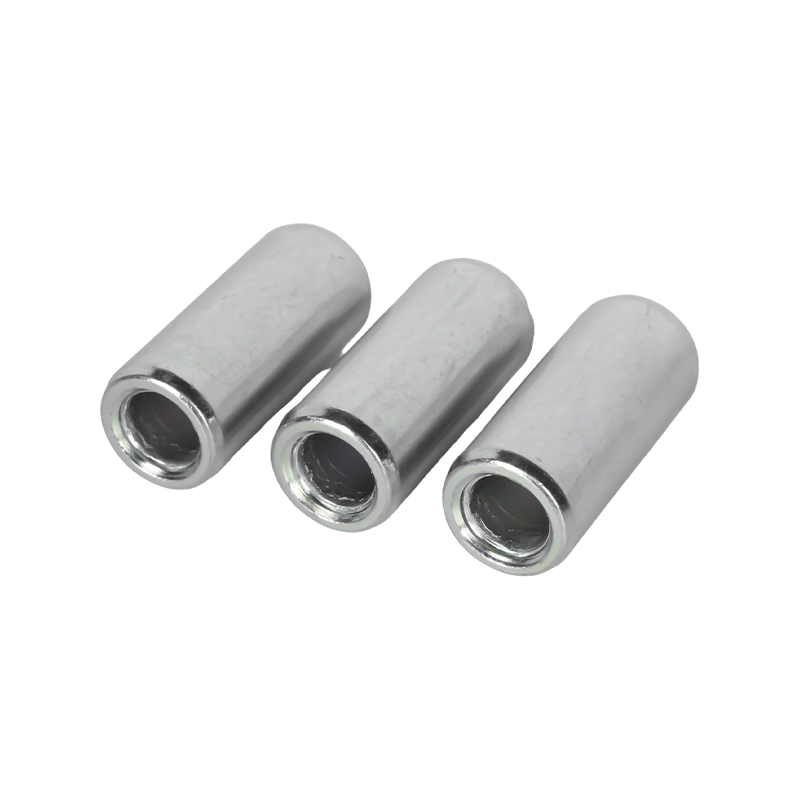
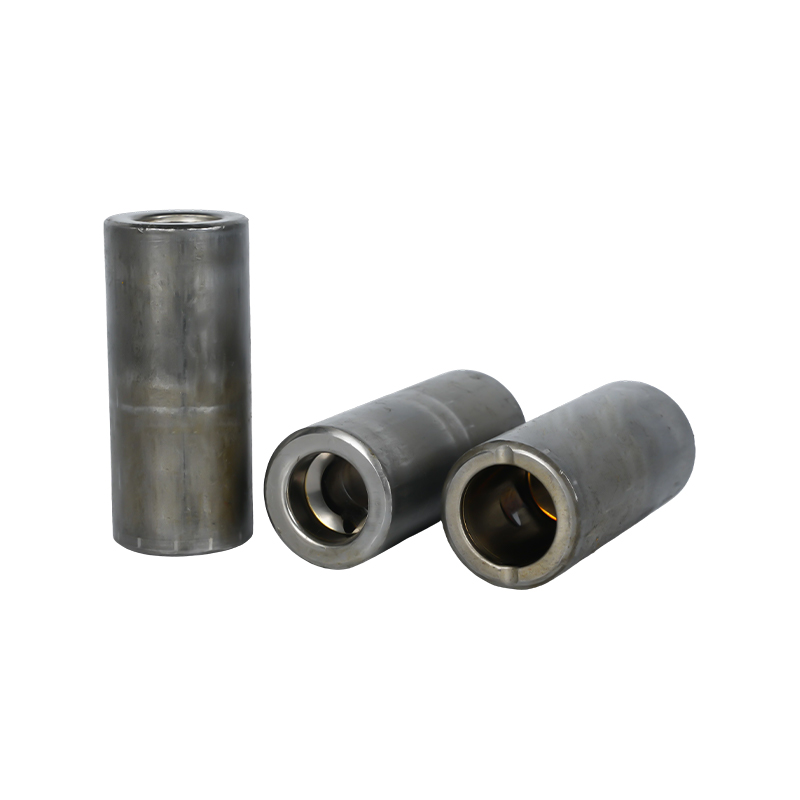
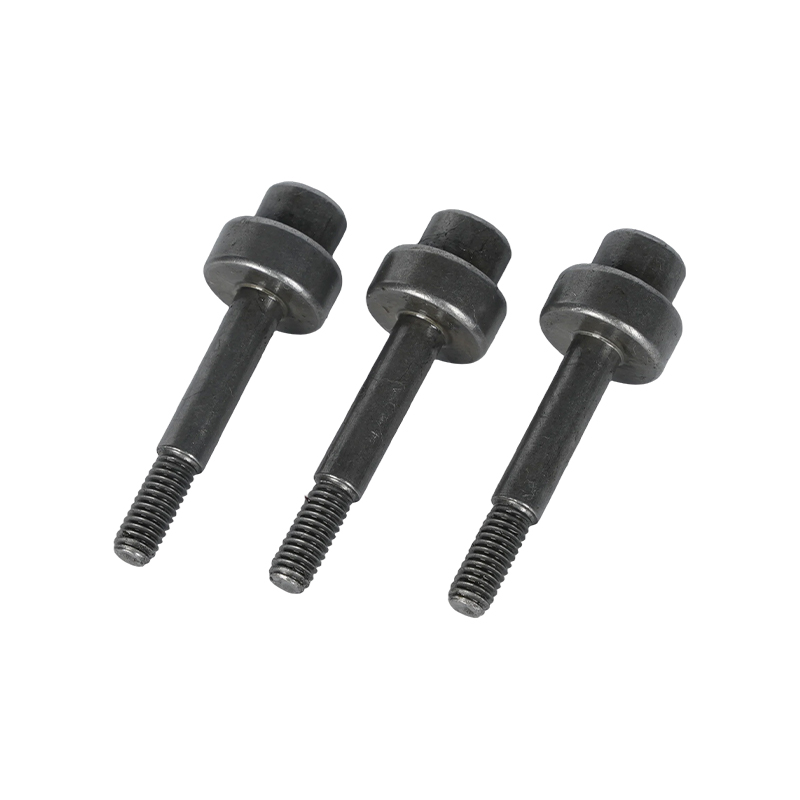
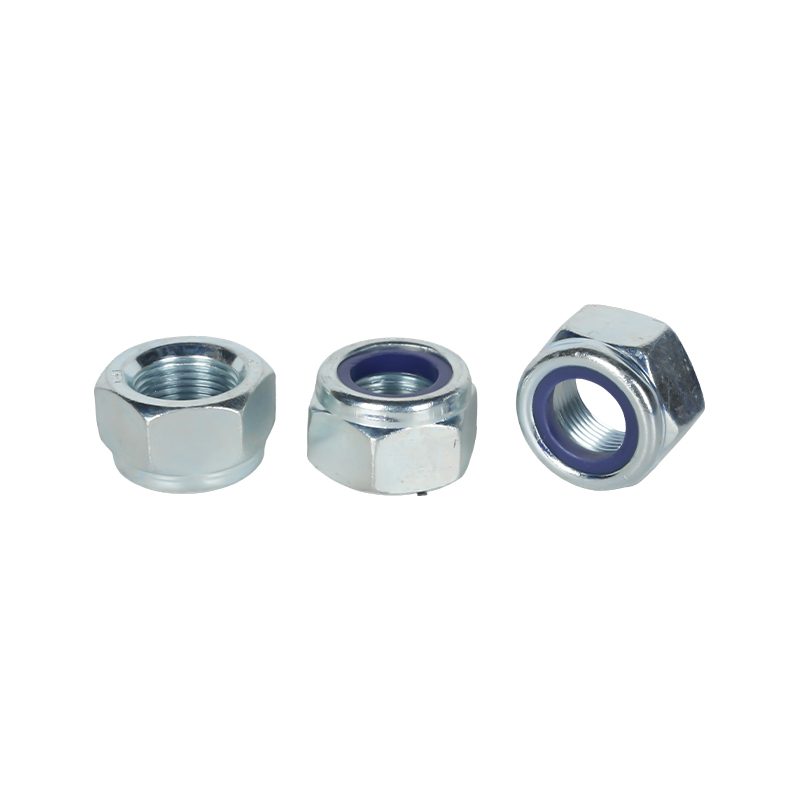
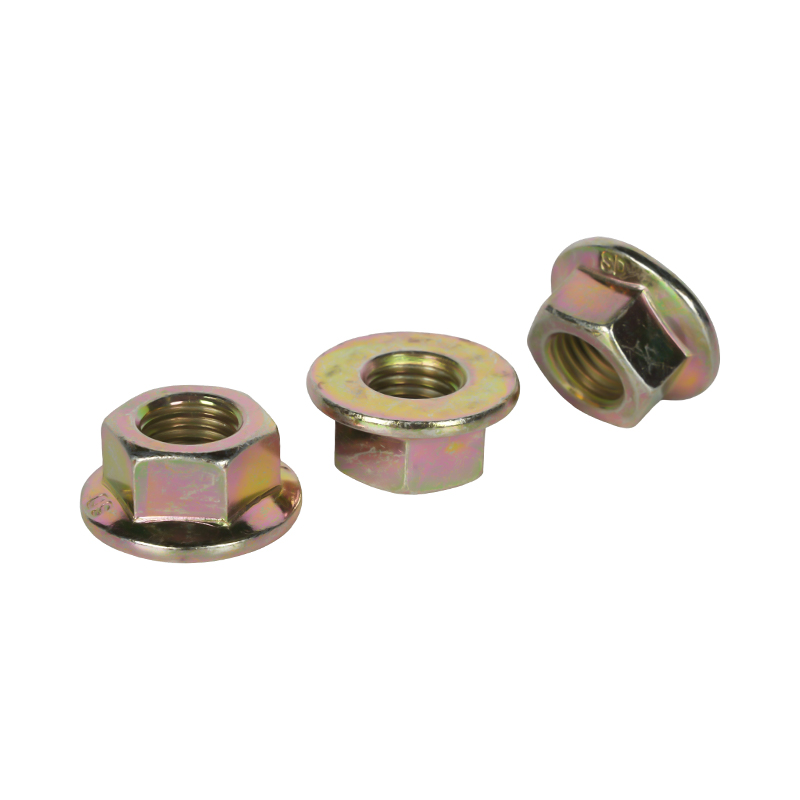
THREADED INSERT COMPONENTS

Double Straight Knurled Insert Nuts

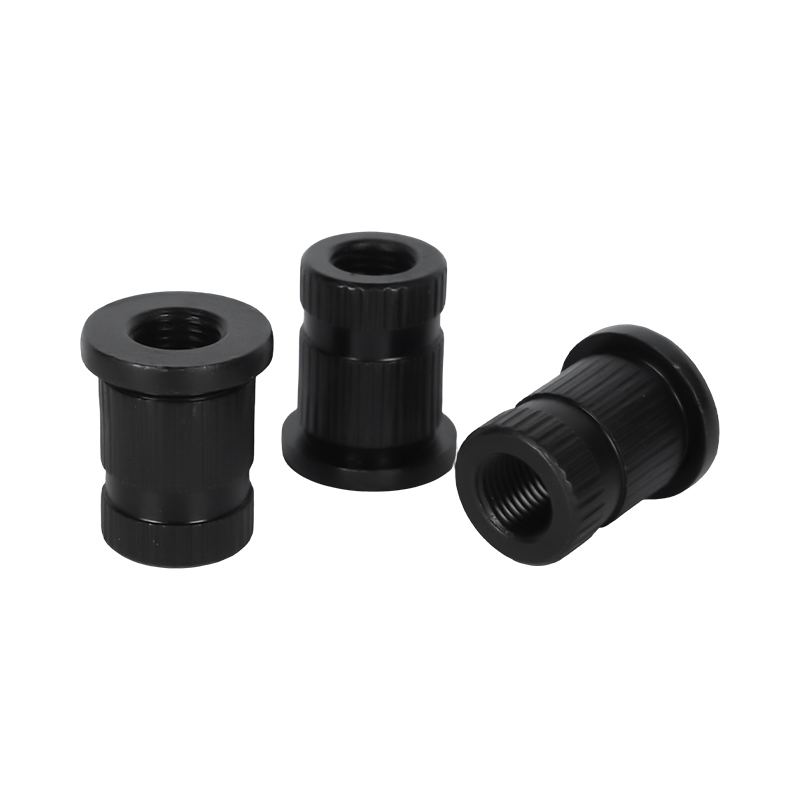
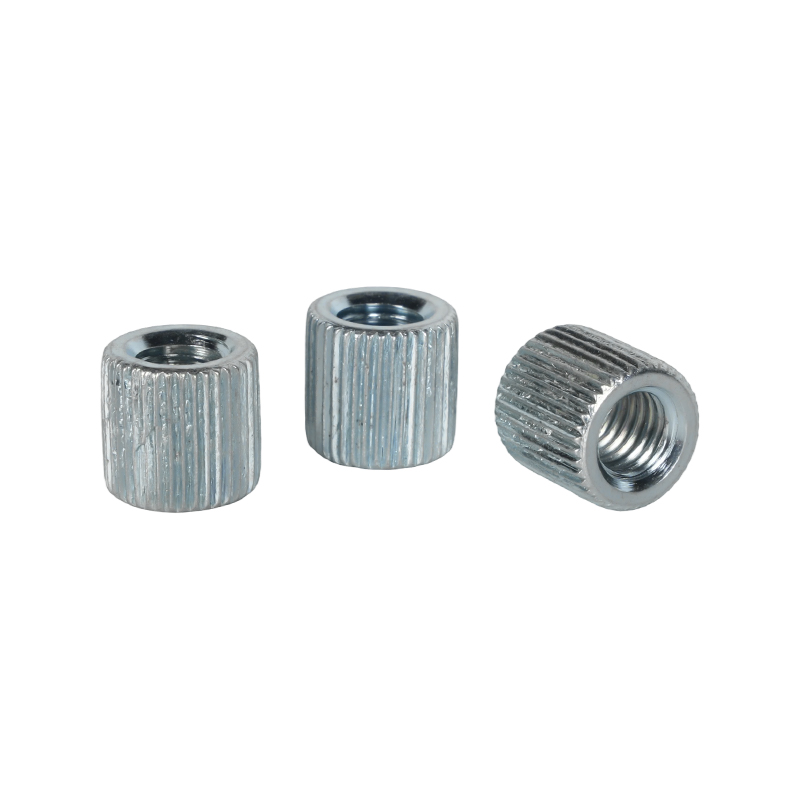
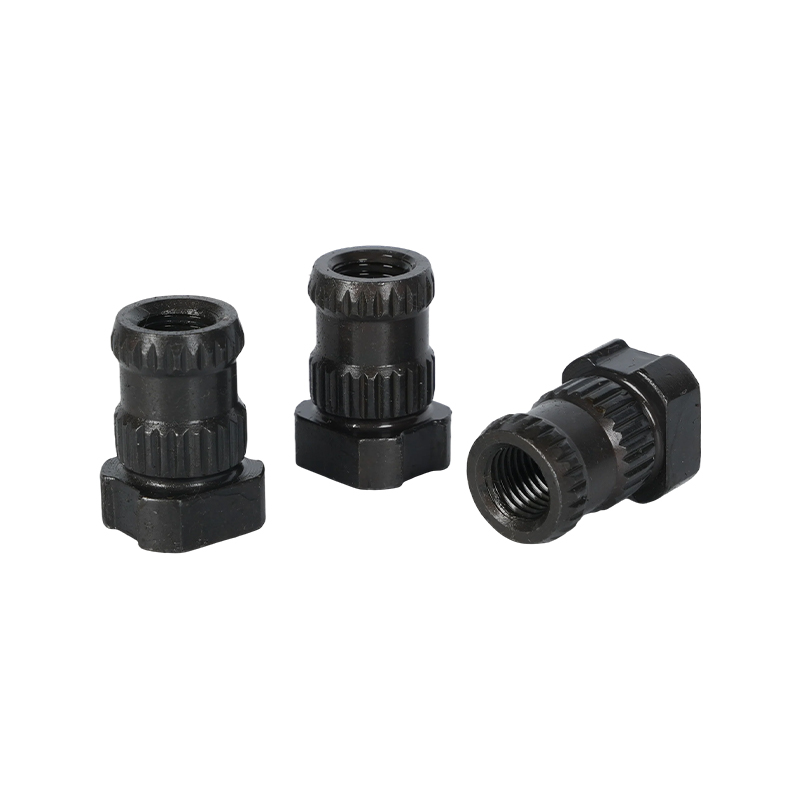
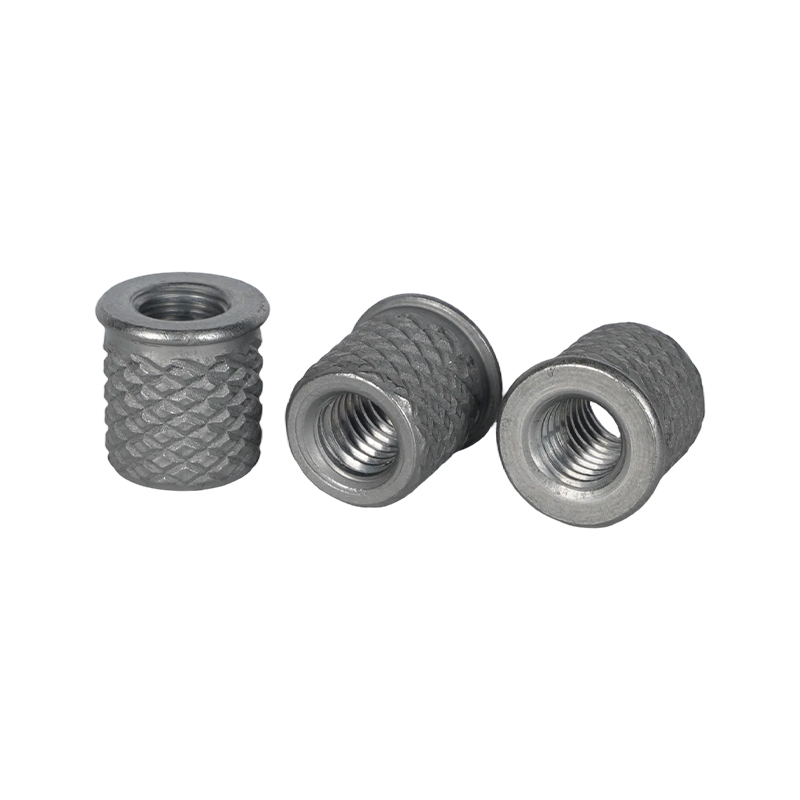
Double Straight Knurled Insert Nuts are internally threaded metal inserts designed to provide a fastening point in components made from plastic, wood, or other suitable base materials. Their outer surface features two straight knurled sections that help create mechanical engagement with the surrounding material during installation.

The dual knurled arrangement provides two separated gripping areas along the insert body. This configuration can be specified for assemblies where insert retention, thread positioning, and consistent installation depth need to be considered together. Internal thread size, body diameter, overall length, knurl geometry, and end configuration can be developed according to the application drawing.

For manufacturers and industrial buyers, selection should be based on the base material, installation method, fastening load, and required service conditions. Drawing-based production helps coordinate the insert dimensions with the mating component and assembly process.

COMPONENT REFERENCE NOT TO SCALE
Overall Length
Body Diameter
Knurled Section A
Knurled Section B
DOUBLE STRAIGHT KNURL INTERNAL THREAD
01

Construction and Functional Characteristics

The insert combines an internal threaded bore with two external knurled zones. Each feature has a specific role in the installation and fastening interface.

01 / EXTERNAL SURFACE

Two Straight Knurled Zones

The two knurled sections form external gripping areas around the insert body. Their height, pitch, width, and position influence the contact interface with the surrounding material.

02 / THREAD INTERFACE

Internal Threaded Bore

The threaded bore provides a reusable fastening point for a compatible screw or bolt. Thread diameter, pitch, tolerance, and effective engagement length are defined by the required connection.

03 / BODY GEOMETRY

Compact Cylindrical Body

The body dimensions determine the insert's fit within the receiving hole. Overall length and end geometry should be coordinated with the available installation space.

02 / INSTALLATION

How the Knurled Insert Interfaces with the Base Material

The receiving hole and installation method must be compatible with the insert's external geometry. The following schematic illustrates the general relationship between the insert and its surrounding material.

BASE MATERIAL
External knurled contact
Threaded bore
Receiving material
Illustrative cross-section Actual material displacement and engagement depend on the insert design and installation process.

Receiving Hole

Hole diameter, depth, and dimensional tolerance should be determined according to the insert specification and base material.

Insertion Method

Installation equipment and applied force should be suitable for the insert geometry and the material receiving the knurled sections.

Final Position

Insertion depth, perpendicularity, and thread accessibility should be checked against the assembly drawing.

03 / APPLICATION

Where Double Straight Knurled Insert Nuts Are Used

These inserts are relevant to assemblies that require an internal metal thread in a receiving material capable of accommodating the external knurled profile.

Plastic Components
Threaded mounting points in molded housings, enclosures, covers, and structural plastic parts.
Check resin type, wall thickness, hole design, and installation conditions.
Electrical Enclosures
Internal fastening interfaces for selected equipment housings and electrical assemblies.
Confirm available installation space and required thread engagement.
Consumer Products
Metal threaded connections in plastic or composite product structures.
Consider repeated fastening, assembly access, and substrate properties.
Industrial Equipment
Threaded attachment points in suitable non-metallic covers, panels, and component housings.
Review service loads, vibration conditions, and maintenance requirements.
04 / SPECIFICATION

Dimensions and Manufacturing Variables

Exact dimensions should be taken from the approved engineering drawing. The following parameters are commonly reviewed during product selection and quotation.

A
Thread SizeNominal diameter and pitch
B
Body DiameterExternal cylindrical dimension
C
Overall LengthTotal insert body length
D
Knurl GeometryWidth, height, pitch, and spacing
E
End ConfigurationEntry and exit end profile
Parameter Specification Basis
Material Customer-specified metal grade and material requirements
Thread Metric, inch, or other specified thread system
Body Dimensions Drawing-defined diameter and overall length
Knurl Design Two straight knurled sections with specified geometry
Surface Finish As-produced condition or specified coating and plating
Dimensional Tolerance Critical dimensions and tolerance requirements on the drawing
Packaging Bulk, counted, or other agreed production packaging
05 / MANUFACTURING CONTROL

Inspection Priorities for Consistent Insert Production

T1

Thread Accuracy

Check the internal thread against the specified size, pitch, and applicable tolerance requirements.

T2

Knurl Consistency

Review the position, profile, and dimensional consistency of both straight knurled sections.

T3

Body Dimensions

Verify the external diameter, overall length, and other drawing-defined critical dimensions.

T4

Surface Condition

Inspect for visible defects, burrs, and surface conditions that may affect handling or installation.

Inspection methods and acceptance criteria should be agreed according to the component drawing, material specification, and intended application.
06 / SOURCING INFORMATION

Preparing a Drawing-Based RFQ

For industrial buyers sourcing Double Straight Knurled Insert Nuts, the quotation process should begin with a clear definition of the threaded connection and the receiving material. This helps determine whether the proposed body and knurl configuration can meet the installation requirements.

01 Product drawing or reference sample
02 Internal thread size and tolerance
03 Body diameter and overall length
04 Knurl dimensions and configuration
05 Base material and installation method
06 Surface finish and packaging requirements
07 Order quantity and expected demand schedule
07 / FAQ

Frequently Asked Questions

What distinguishes double straight knurled insert nuts from single-knurled inserts?

Double straight knurled insert nuts have two separate straight knurled zones on the outer body, while a single-knurled design has one primary knurled section. The appropriate configuration depends on the receiving material, insert dimensions, and required retention characteristics.

Can these insert nuts be installed in plastic components?

They can be used in suitable plastic components when the insert geometry and installation method are compatible with the resin, wall thickness, and receiving-hole design. Application testing may be necessary to evaluate retention and installation quality.

Does the double knurled structure improve insert retention?

The two knurled zones provide external mechanical engagement areas. Actual retention performance depends on knurl geometry, substrate properties, hole dimensions, installation conditions, and the loads applied during service.

Can thread sizes and body dimensions be customized?

Thread dimensions, body diameter, overall length, knurl spacing, and end profiles can be evaluated according to customer drawings or samples, subject to manufacturing feasibility.

Which surface finishes can be specified?

The available finish should be confirmed according to the selected material, corrosion requirements, appearance specifications, and any restrictions related to the receiving assembly.

What should buyers provide when requesting a quotation?

Buyers should provide a technical drawing or sample, thread specification, critical dimensions, material requirements, surface finish, estimated quantity, and information about the receiving material and installation method.

About Xinye

Automotive Fasteners and Precision Metal Components Built on Three Decades of Experience

Zhejiang Xinye Automobile Technology Co., Ltd. traces its business origins to 1995 and specializes in the research, development, and manufacturing of automotive fasteners and metal stamping components. We are China Double Straight Knurled Insert Nuts Manufacturers and Custom Double Straight Knurled Insert Nuts Suppliers & Factory.

Our engineering focus covers fastening reliability, dimensional accuracy, mechanical performance, corrosion protection, and application-specific component development.

  • Flange Nuts
  • Weld Nuts
  • Self-Locking Nuts
  • Bolts and Screws
  • Metal Stampings
  • CNC-Machined Sleeves and Pins
Zhejiang Xinye automotive fastener manufacturing company
IATF 16949:2016 Certified quality management
  • 1995Year our business began
  • 30+ YearsAutomotive fastener experience
  • 500+Product varieties
  • IATF 16949Certified quality management
Capabilities

Core Competitive Advantages

Deep application knowledge, in-house manufacturing, and certified quality management, applied to the most demanding automotive requirements.

More Than 30 Years of Automotive Fastener Experience

Our business traces its origins to 1995, with more than 30 years of experience in automotive fasteners and stamping parts. This long-term focus builds application knowledge in flange nuts, weld nuts, specialty fasteners, and related metal components.

More Than 500 Product Varieties

Standard and non-standard nuts, weld nuts, self-locking nuts, knurled nuts, clinch nuts, sliding nuts, bolts and screws, metal stampings, CNC-machined sleeves and pins, and specialty automotive components.

Integrated Manufacturing Processes

Production is completed in-house from raw materials to finished goods, using automatic cold heading machines, tapping machines, heat-treatment lines, thread-rolling equipment, and hardness testing.

Automotive-Focused R&D and Engineering

More than 30 years of R&D experience in strength grades, tolerance accuracy, corrosion resistance, temperature performance, and MAT self-correcting thread technology.

High-Strength Fastener Development

We develop Class 12 nuts and carry out pre-research on Class 13 to 14 ultra-high-strength nuts for higher axial-load requirements, such as heavy-duty trucks and high-performance engines.

Precision Thread and Dimensional Control

Tolerance control ranges from 0.06 to 0.30 mm for different applications, with a strong emphasis on thread-fit precision. Final tolerances are defined by product drawings and inspection reports.

Corrosion Protection and High-Temperature Options

Trivalent zinc plating with a stated 480-hour salt-spray result, and Zn-Ni alloy plating with stated results of 480 to 720 hours. Temperature-resistance options of 300, 550, and 650 to 700 degrees Celsius for selected applications.

MAT Self-Correcting Thread Technology

The MAT thread nut features a self-correcting function on the first few threads, guiding a slightly misaligned bolt into the correct thread path during automated assembly.

IATF 16949:2016 Quality Management

Certified to IATF 16949:2016. The quality system covers raw material intake, process inspection, and finished-product testing, including tensile, CMM dimensional, pull-off, fusion-depth, destructive weld, and salt-spray tests.

Technical Support from Development to Delivery

Drawing and sample review, material and process recommendations, sample trials, dimensional and performance validation, cost optimization, order tracking, batch traceability, logistics coordination, and after-sales technical support.

Manufacturing

Equipment and Quality Laboratory

In-house production and testing capabilities that support process consistency and product conformity.

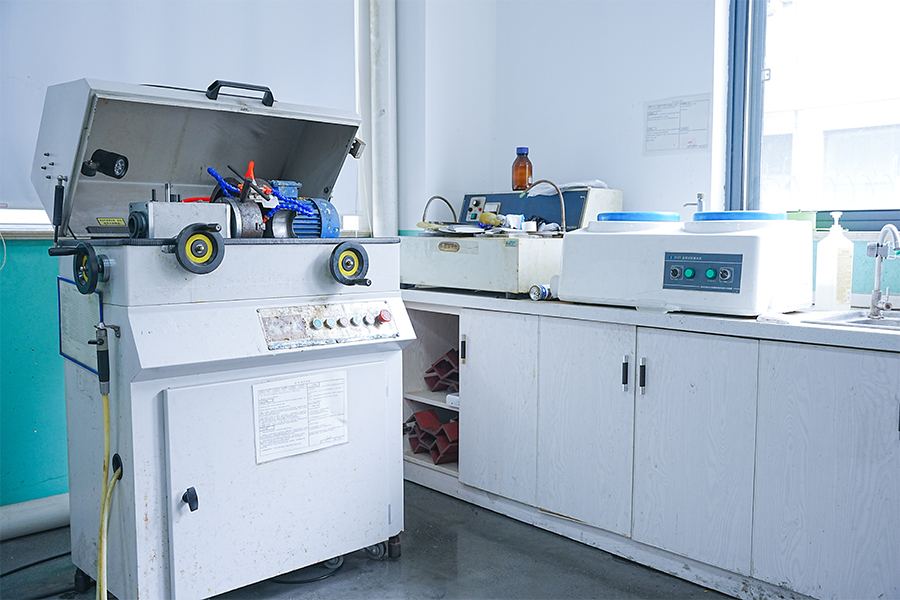
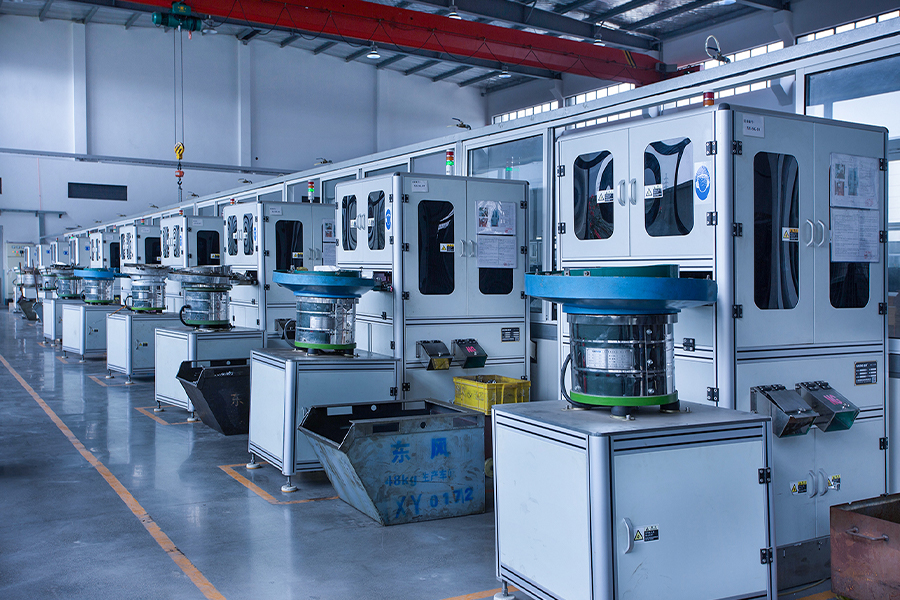
Xinye factory production equipment Production

Factory Equipment

Automatic cold heading machines, tapping machines, heat-treatment lines, thread-rolling equipment, and hardness testing support production from raw materials to finished goods.

Xinye factory quality laboratory Inspection

Quality Laboratory

Inspection capabilities include tensile, CMM dimensional, pull-off, fusion-depth, destructive weld, and salt-spray tests across raw material intake, process inspection, and finished-product testing.

Specifications

Key Company Information

Technical highlights that matter when specifying automotive fastening components.

These figures are company-reported. Actual tolerances and performance results should be confirmed against product drawings and inspection reports.

Metric Company Information
Business origin 1995
Industry experience More than 30 years
Product varieties More than 500
Quality certification IATF 16949:2016
Reported tolerance range 0.06 to 0.30 mm, depending on application
Trivalent zinc plating 480-hour salt-spray result stated
Zn-Ni alloy plating 480 to 720-hour salt-spray result stated
Temperature resistance options 300, 550, and 650 to 700 degrees Celsius for selected applications
High-strength nut development Class 12 development; Class 13 to 14 pre-research
Applications

Product and Application Coverage

Automotive fastening and functional components, supported by a broader manufacturing range of nuts, bolts, screws, metal stampings, CNC-machined sleeves, pins, and shafts.

  • Seat belt nuts
  • Interior trim circlips and springs
  • Body tow hooks
  • Sealed nuts for EV battery packs
  • Wheel nuts
  • Seat adjustment shims and spacer nuts
  • Seat adjustment parts
  • Seat-system nuts

Product suitability is assessed against customer drawings, material grade, strength class, thread specification, tolerance, surface treatment, temperature exposure, corrosion requirements, and assembly method.

Customers

Who We Serve

Trusted by B2B buyers who need dependable fastening and metal components built to drawing.

  • Automotive OEMs and Tier 1 / Tier 2 component suppliers
  • Automotive fastening-system manufacturers and assemblers
  • Electric vehicle and battery-pack component manufacturers
  • Commercial vehicle, heavy-duty truck, and engine manufacturers
  • Automotive seat, interior trim, chassis, and body-system suppliers
  • Industrial buyers requiring custom nuts, bolts, screws, sleeves, pins, and metal stampings