

 Español
 عربى
product
product
product
product
product
product
product
product
product
product
product
product
product
product
product
product

Product Category
Contact us
Message Feedback
About Us
30 Years of Expertise in Automotive Fasteners
Zhejiangxinye Automobile Technology Co. , Ltd. traces its origins to 1995, evolving from Jiaxing Zhapu Xinye Standard Parts Co., Ltd. We are China Clinch Nuts Suppliers and Custom
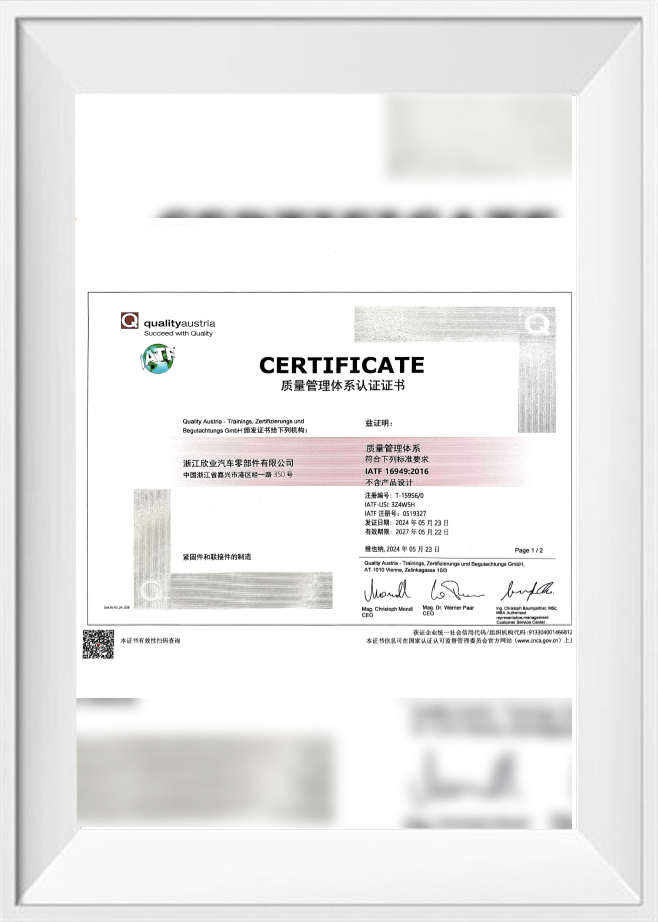
Clinch Nuts factory. The company specializes in the production of various automotive fasteners and stamping parts, including flange nuts, welding nuts, and more. For over 30 years, Xinye has kept pace with industry trends, focusing on technological innovation and internal management, and has achieved steady growth. The company is now certified to IATF 16949-2016.
Adhering to the principle of "surviving by product quality, developing by technological innovation," Xinye takes quality as its foundation and customer satisfaction as a top priority, committed to providing suitable and reliable products. To enhance product competitiveness and strengthen employee quality awareness, the company has established a sound management system and standardized process flows. Work instructions have been developed for special and critical processes, and strict quality inspections are conducted at every step. From raw material analysis to finished product mechanical performance testing, process control is implemented to ensure product conformity. The continuously improving quality management system and stable product performance have earned the company market recognition, as well as customer trust and praise.
Adhering to the principle of "surviving by product quality, developing by technological innovation," Xinye takes quality as its foundation and customer satisfaction as a top priority, committed to providing suitable and reliable products. To enhance product competitiveness and strengthen employee quality awareness, the company has established a sound management system and standardized process flows. Work instructions have been developed for special and critical processes, and strict quality inspections are conducted at every step. From raw material analysis to finished product mechanical performance testing, process control is implemented to ensure product conformity. The continuously improving quality management system and stable product performance have earned the company market recognition, as well as customer trust and praise.
-
0m2
Factory Area
-
0
Brand Origin
-
0+
Product Range


Zhejiangxinye Automobile Technology Co. , Ltd.
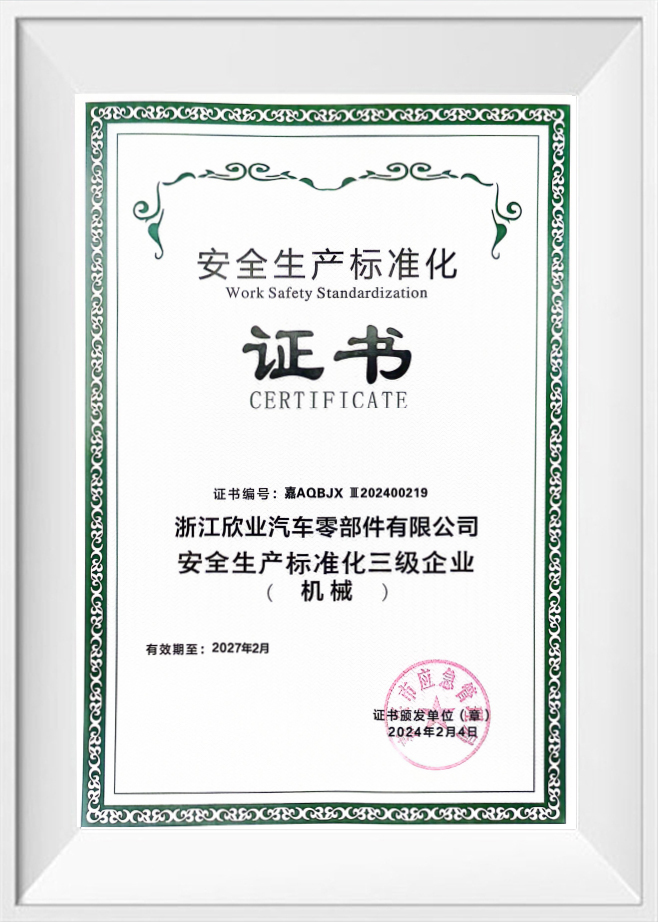
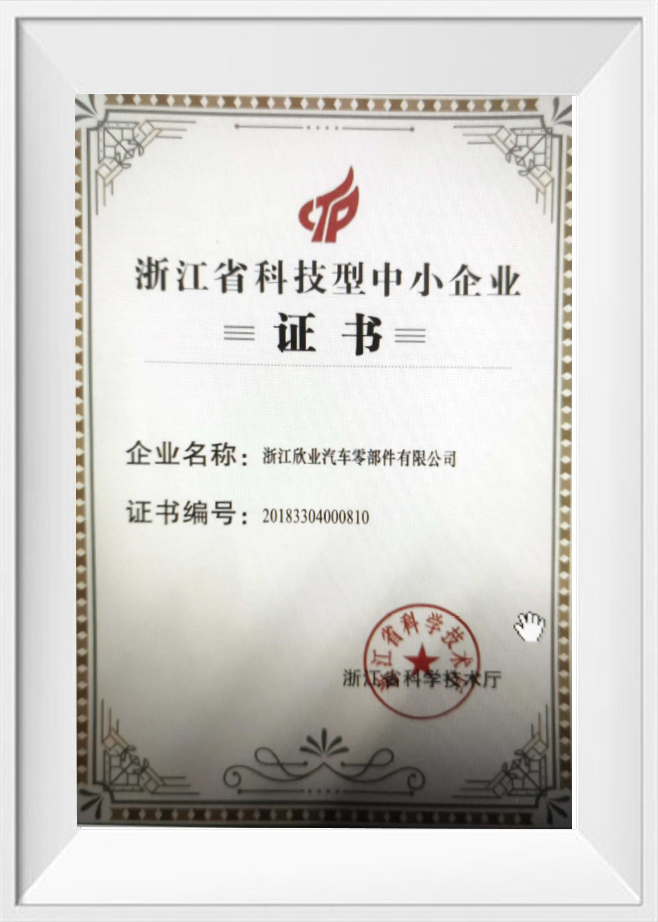
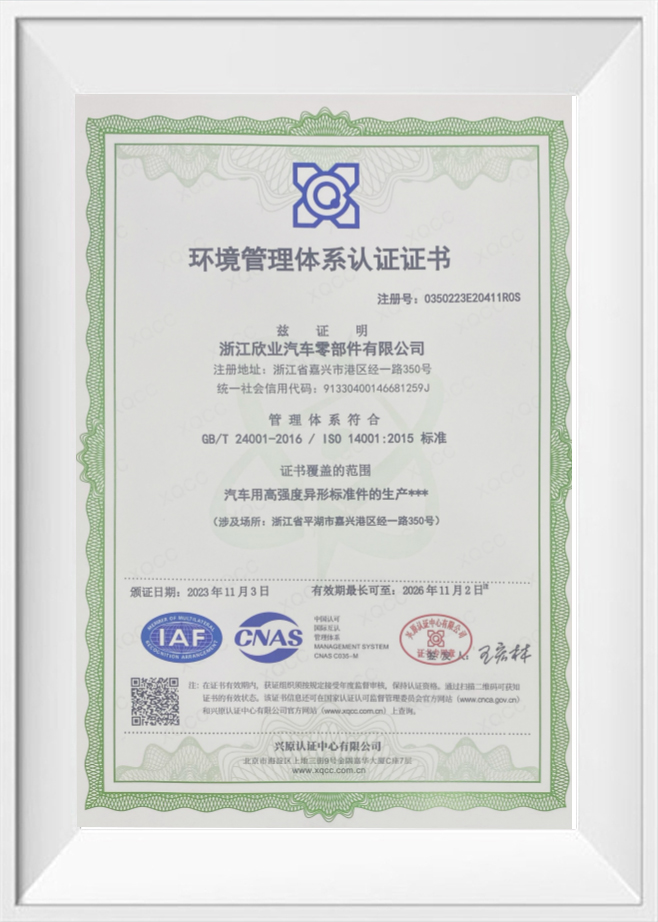
Certificate Of Honor
What’s News
Industry Insights & Updates
View All News
-
2026-11-03Industry News
-
2026-11-03Industry News
-
2026-11-03Industry News
Clinch Nuts Industry Knowledge
Clinch Nuts for Thin-Sheet Threaded Joints
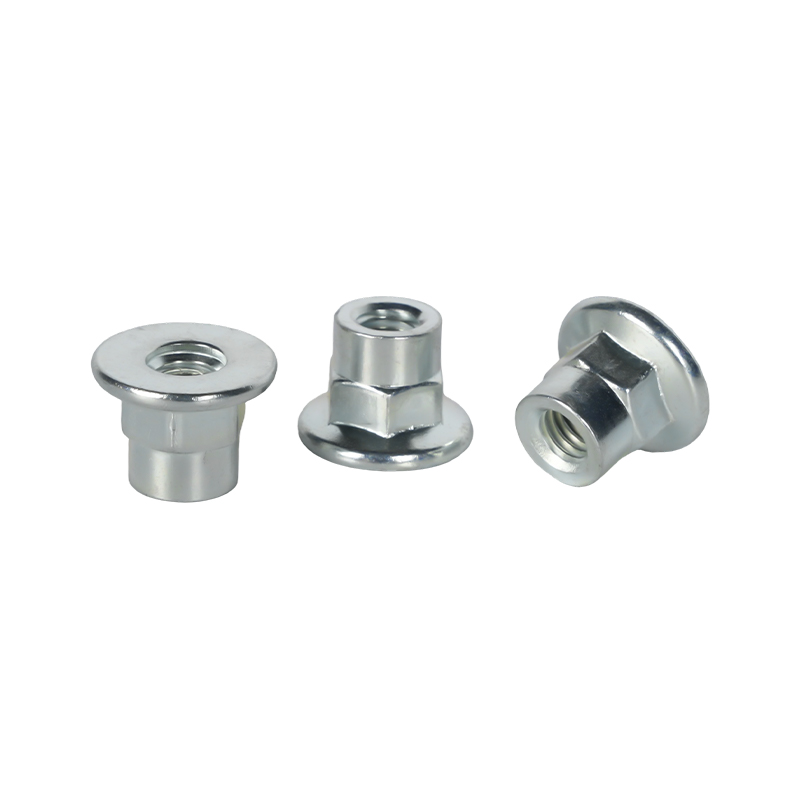
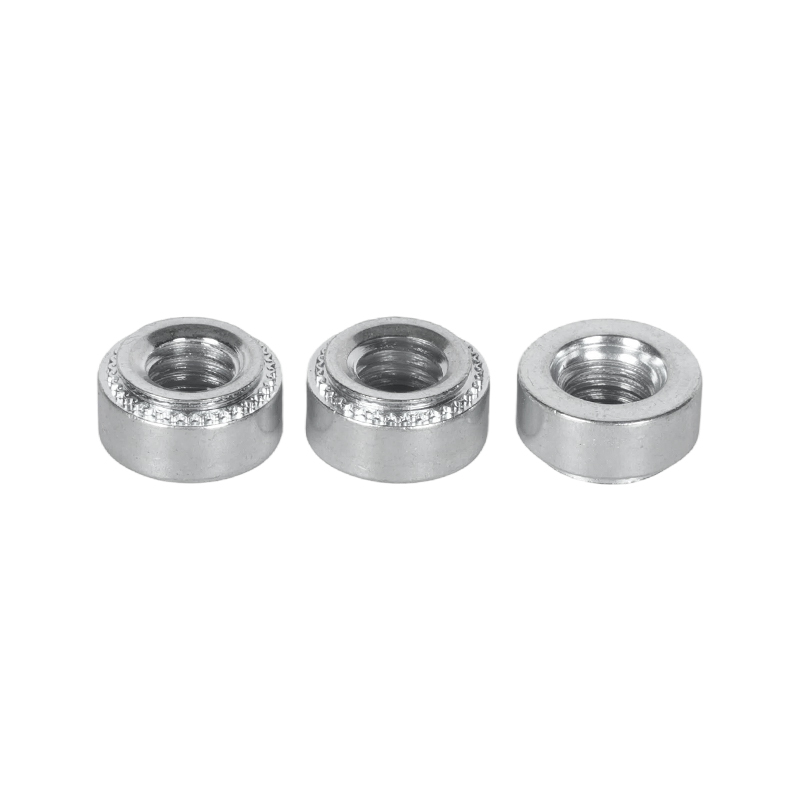
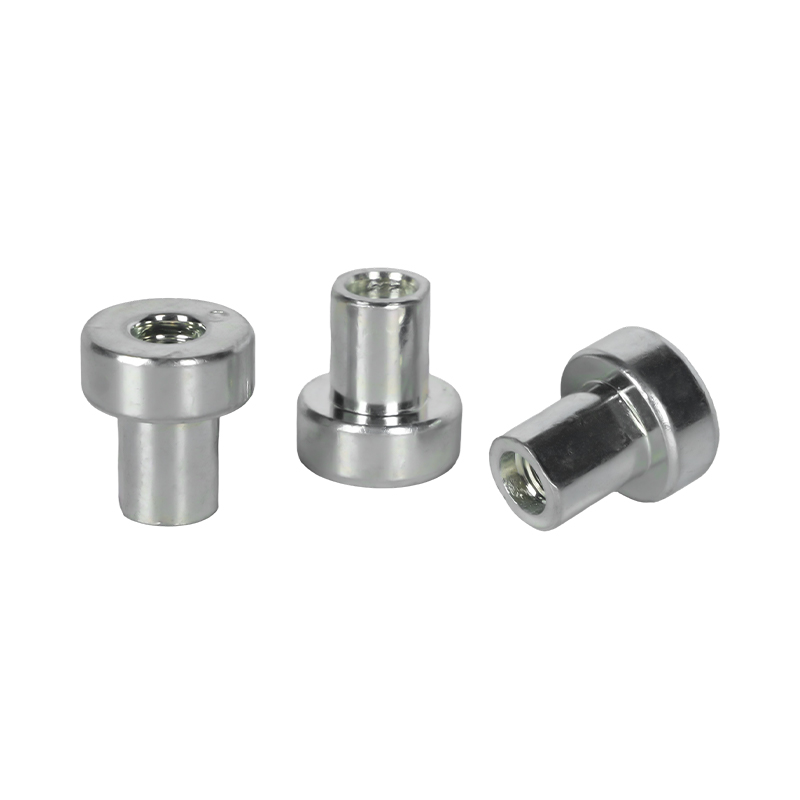
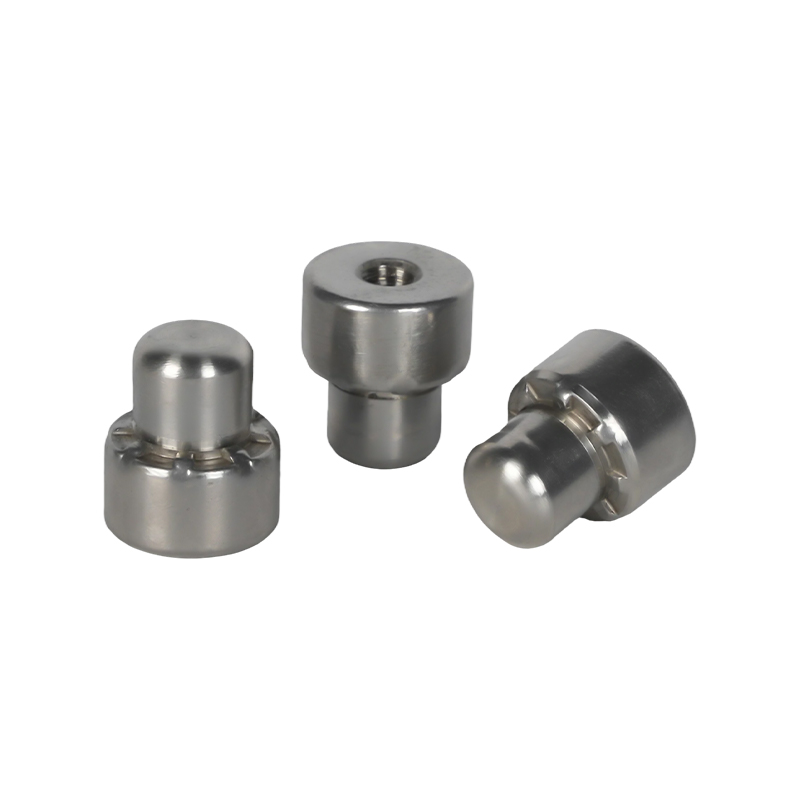
Zhejiangxinye Automobile Technology Co., Ltd. manufactures self-clinching nuts for thin-sheet assemblies in vehicle bodies, seating structures, battery enclosures, brackets and general metal products. Our Custom Clinch Nuts Suppliers, Exporter range covers four production configurations — round S-type, T-type shoulder, hex flange with extended shoulder and stainless steel round head — each built around a defined sheet joint rather than a single catalogue shape.
Fastener production at our Jiaxing works began in 1995 and now runs under an IATF 16949-2016 quality management system, from raw material analysis through cold heading, tapping, heat treatment, thread rolling and finished-part mechanical testing. Clinch nuts are produced in-house alongside flange nuts, weld nuts and stamping parts, so a joint that needs a pressed nut in one position and a welded or stamped part alongside it can be planned as one release.
Our Clinch Nut Range
Four configurations are in current production, each matched to a different joint condition. Where a joint needs a different shoulder height, knurl pattern, thread or base material, the same tooling base is adapted through our Non-Standard Nuts programme.
| Configuration | Body and Clinch Feature | Typical Joint Fit | Material and Finish |
|---|---|---|---|
| Hex Flange Nut with Extended Shoulder | Hex body with flange and extended shoulder that spreads clamp load across the panel | Brackets and panels needing a wider bearing face and hex-drive assembly access | Carbon steel; trivalent zinc or Zn-Ni alloy |
| Carbon Steel S Type Round Self Clinching Nut | Round S-type body with knurled clinch shoulder | General thin-sheet joints in carriers, brackets and enclosures | Carbon steel, heat treated to class; trivalent zinc |
| Carbon Steel T Type Shoulder Internal Threaded Rivet | T-type body with defined shoulder height and through thread | Joints where the thread must pass through a controlled stack or standoff | Carbon steel; trivalent zinc or Zn-Ni alloy |
| Stainless Steel Round Head Clinch Nut | Round head with stainless steel body | Corrosion-exposed exterior, underbody and humid-service positions | Stainless steel body, finish to drawing |
All four share the same installation principle: the nut is pressed into a punched hole and its knurled or shouldered body cold-flows the sheet material, locking the nut in place and leaving a permanent load-bearing thread in metal too thin to tap. The Stainless Steel Round Head Clinch Nut is the version we supply where coating loss or corrosion staining on an exposed panel is the deciding constraint.
Where Clinch Nuts Fit in Vehicle and Equipment Builds
Clinch nuts are the practical answer where sheet gauge is too thin for a tapped thread and a welded nut would distort the panel, burn through pre-coated steel or add a second operation to the line. Joint design, not preference, decides the body style we propose.
- Body-in-white brackets, closure reinforcements and module carriers with single-side access
- Seat frames, seat rails and recliner assemblies where the thread must survive repeated adjustment cycles
- EV battery pack enclosures and tray covers where corrosion resistance and clean assembly matter
- Interior trim and console mounts where projection above the sheet must stay low
- General sheet-metal equipment: enclosures, covers, HVAC housings and chassis-mounted boxes
A round S-type nut suits a flat joint with a standard hole; a T-type shoulder nut where the thread must clear a defined stack; a hex flange nut where a wider bearing face is needed to spread clamp load. Because the nut is installed cold, coated and pre-painted panels keep their finish and need no post-weld repair.
Material, Strength and Surface Finish
Carbon steel bodies are cold headed, tapped, heat treated and thread rolled to the required property class, then plated on our in-house finishing line. Stainless bodies are supplied unplated for joints where a coating is the weak point.
- Strength: production from Class 5 and Class 8 through to Class 12, with Class 13–14 ultra-high-strength development at pre-research stage for heavy-duty and high-performance positions
- Tolerance: dimensional bands from 0.06 mm to 0.30 mm selected by feature and fit requirement
- Corrosion: trivalent zinc plating rated to 480 h salt spray; Zn-Ni alloy plating covering 480–720 h
- Heat resistance: grades at 300 °C, 550 °C and 650–700 °C for exhaust and engine-periphery service
- Thread engagement: MAT self-correcting thread form on the first threads, guiding the bolt into the thread path when automated assembly brings slight misalignment
Critical Specifications We Confirm Before Production
- Thread size, pitch, class of fit and available thread depth
- Clinch shoulder diameter, knurl pattern and undercut geometry against the punched hole size
- Sheet material, thickness and hardness at the joint, plus hole tolerance
- Required push-out and torque-out resistance for the service load
- Body height, projection above the sheet and mating bolt engagement
- Property class, proof load and hardness range
- Coating system, coating thickness and salt-spray target
- Marking, packaging format and traceability requirements
Installation, Press Tooling and Line Integration
Installation is a press operation: a shop press, a dedicated insertion press or an automated station drives the nut into the prepared hole while an anvil supports the underside. No heat, no weld and no second-side operator access are involved, which keeps the joint compatible with robotic cells and with panels that are already painted.
The proposal states the hole diameter, sheet thickness range, body projection and mating bolt engagement the joint will support, so the press tooling and the assembly sequence can be set before the first batch runs.
- Hole diameter and position tolerance relative to the clinch shoulder
- Press force, punch or anvil tooling and clearance around the joint
- Whether the nut is fitted before or after e-coat or paint, and any masking required
- First-off checks for push-out, torque-out and thread gauging on the assembled panel
Compared with welding, a pressed nut avoids spatter, heat marking and rework on coated sheet. Where heavier sections or very high draw-out loads call for a fused joint, our Weld Nuts cover that side of the same assembly.
Quality Control and Acceptance
Control starts with incoming raw material analysis and grade verification, then follows written work instructions for special and critical processes through heading, tapping, heat treatment, thread rolling and finishing. Finished parts are checked dimensionally and by thread gauge, then tested for hardness and mechanical performance before release.
- IATF 16949-2016 automotive quality management system certification
- Process inspection records retained from raw material to finished-part testing
- Coating thickness and salt-spray verification against the specified hours
- Work safety standardization certificate and environmental management system certification in place
- Inspection records, material reports and finish reports issued with the release against the agreed package
Information We Use to Configure Your Solution
| Project Input | What We Need | What It Sets |
|---|---|---|
| Drawing or sample | Dimensional drawing with thread, body, shoulder and knurl detail, or a physical part for reference | Tooling route and inspection plan |
| Sheet stack | Panel material, thickness and hardness, hole diameter and tolerance | Clinch geometry and body style |
| Joint performance | Push-out and torque-out targets, load direction and adjustment cycles | Property class and heat treatment |
| Thread and clearance | Thread size, pitch, class of fit, nut height and mating bolt length | Tapping setup and stack-up clearance |
| Material and finish | Base material, strength class, coating system and salt-spray hours | Steel grade and plating line |
| Volume and packing | Annual and release quantities, packaging format, labelling and shipping scope | Production planning and delivery scope |
| Documentation | Inspection, material and finish records required with each release | The acceptance package |
Frequently Asked Questions
What clinch nut types does Xinye manufacture?
Four self-clinching configurations are in production: carbon steel round S-type, carbon steel T-type shoulder, hex flange with extended shoulder and stainless steel round head. Each is adapted in thread size, shoulder height, knurl, base material, property class and coating, and a variant outside the four can be developed through our non-standard programme when the joint calls for it.
Can you manufacture clinch nuts to our own drawing?
Yes. Custom geometry is the normal route for our clinch nut work. We review the drawing or sample against the sheet condition, confirm the clinch shoulder, knurl and thread detail, and quote on the resulting configuration, including the property class and coating the joint requires.
Which sheet materials and thicknesses suit self-clinching nuts?
The sheet has to be ductile enough to cold-flow around the clinch shoulder. Mild and high-strength steels, stainless and aluminium are all used in practice; the deciding factors are sheet hardness relative to the nut, hole diameter and thickness. Send the panel specification, thickness and hole size and we match the body style, or advise where the joint falls outside the practical range.
How do clinch nuts differ from weld nuts?
Clinch nuts are pressed in cold, so there is no spatter, no heat distortion and no rework on coated or pre-painted panels, and the operator works from one side only. Weld nuts remain the better choice for heavier sections and very high draw-out loads, and we supply both so the two can be specified together on the same assembly.
What quality evidence accompanies clinch nut production?
Production runs under IATF 16949-2016 with raw material analysis, written work instructions for special and critical processes, in-process inspection, and hardness plus mechanical performance testing on finished parts. Dimensional, thread, coating and hardness records are issued with the release against the documentation package agreed for the project.
What do you need to prepare a quotation?
A drawing or sample, the panel material, thickness and hole size, the push-out and torque-out targets, the thread and class of fit, the coating or salt-spray requirement, and the annual and release quantities. With those inputs we return a configuration, the specification points that need agreeing, and the delivery scope including packaging.
- Contact Us
-
-
861260628@qq.com

zj@xy-nuts.com -
+86 15888350558

-
No.350 Jingyi Road, Jiaxing Port Area, Zhejiang Province, China.

-
- Quick Links
- Products
- About Us
- Capabilities
- Service
- News
- Contact Us
- Product
- Nuts
- CNC Machined Components, Sleeves & Pins
- Specialty & Functional Automotive Components
- Metal Stampings
- Bolts & Screws
- Mobile
Copyright ©
Zhejiangxinye Automobile Technology Co. , Ltd.
All Rights Reserved
Custom
Clinch Nuts Suppliers
