

 Español
 عربى
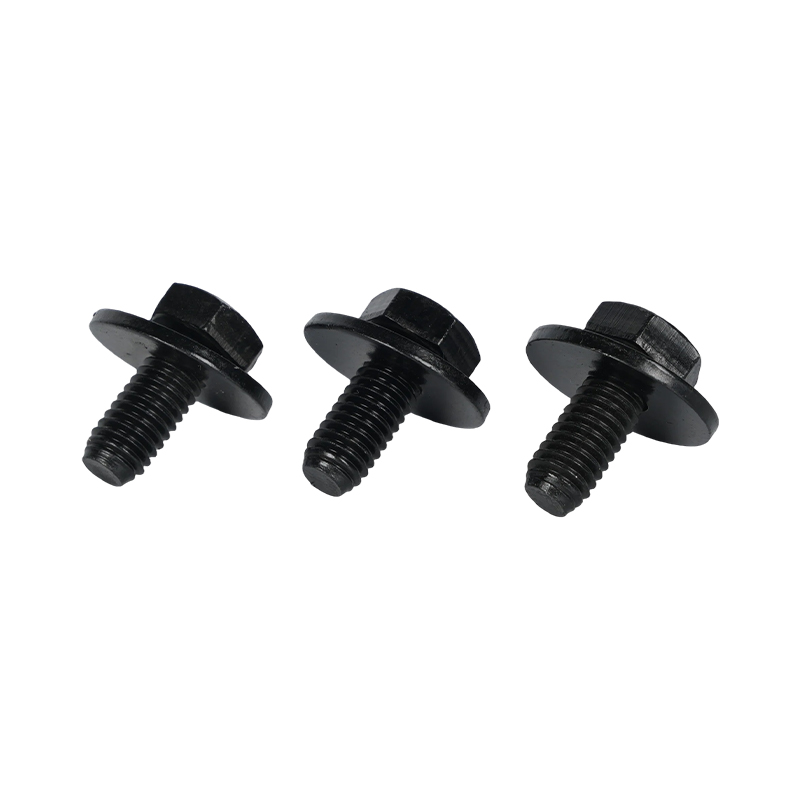
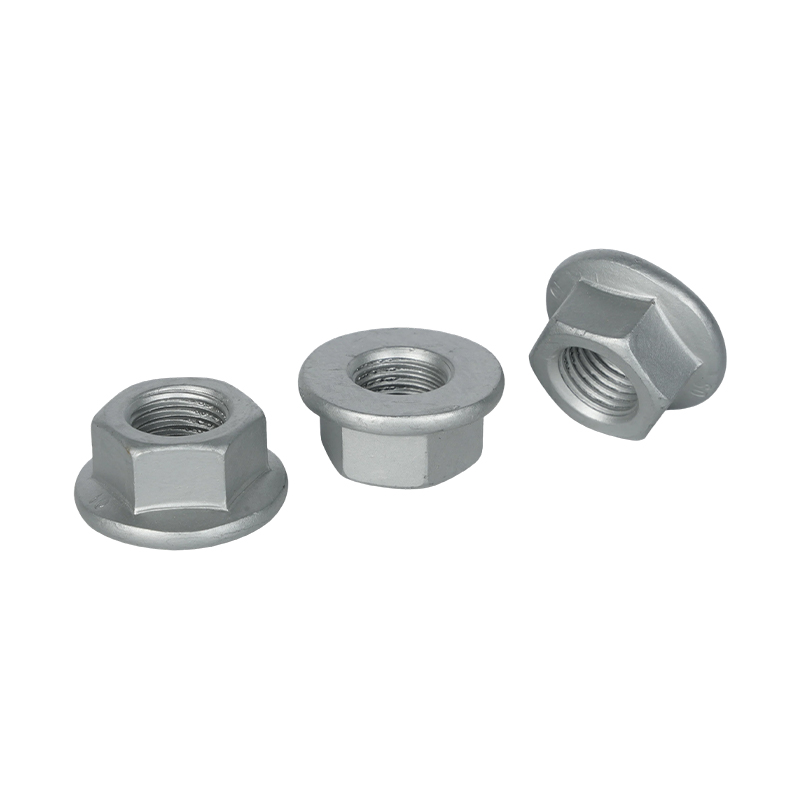
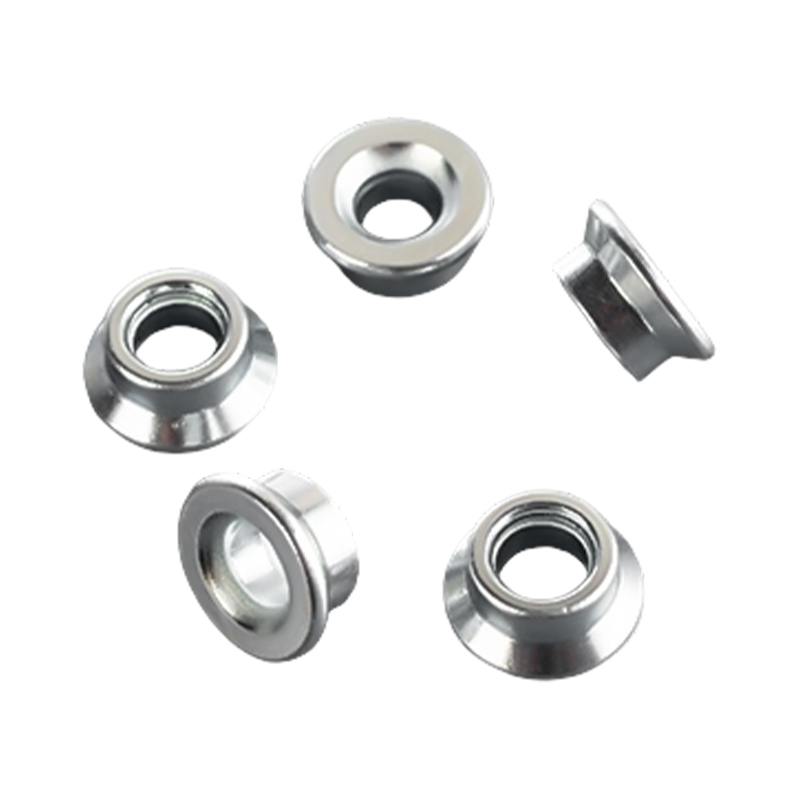
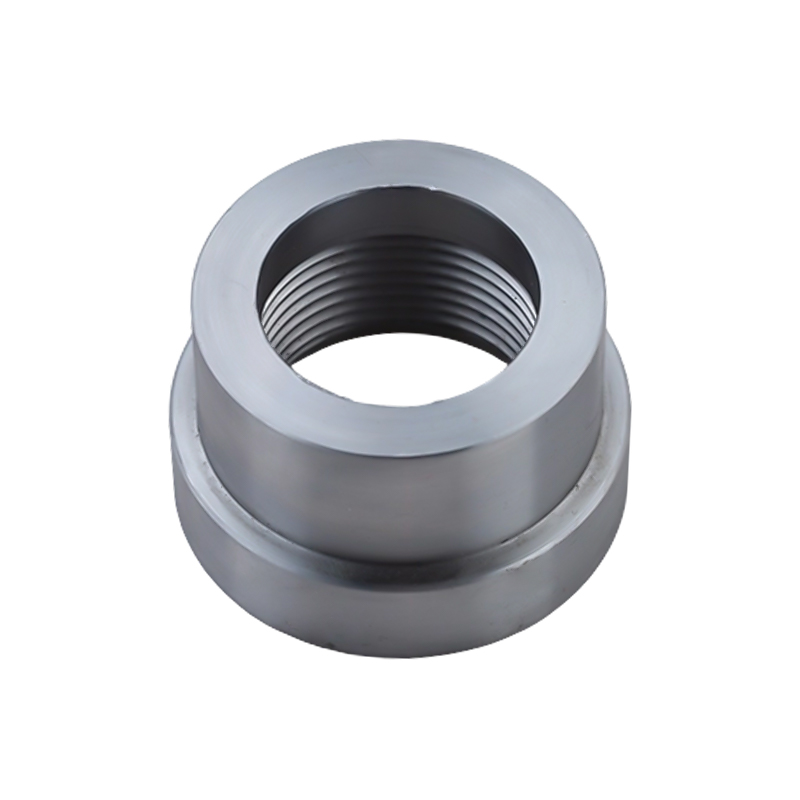
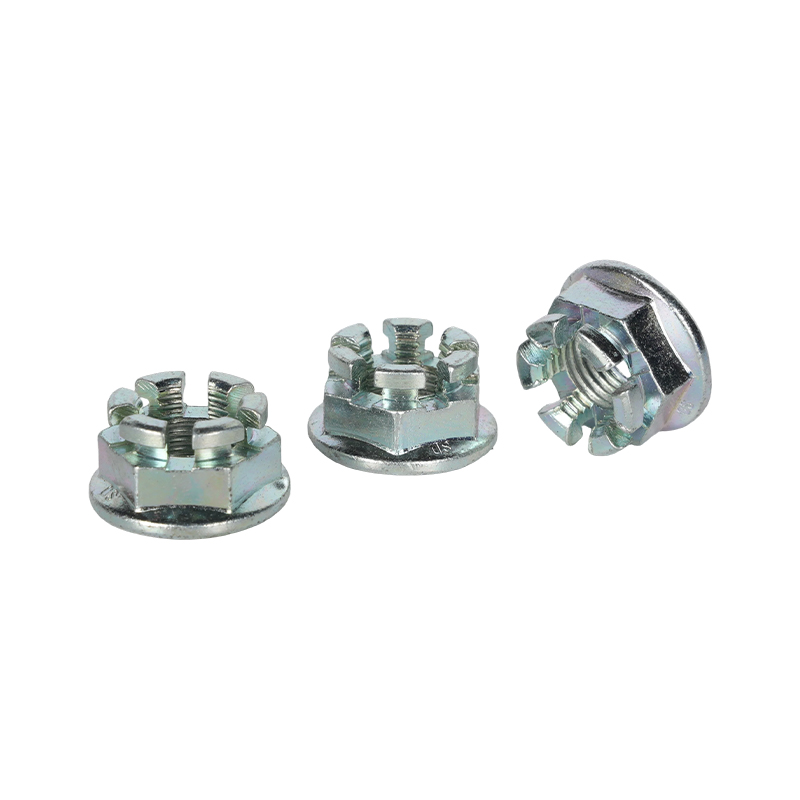
Automotive Hex Head Flange Screws
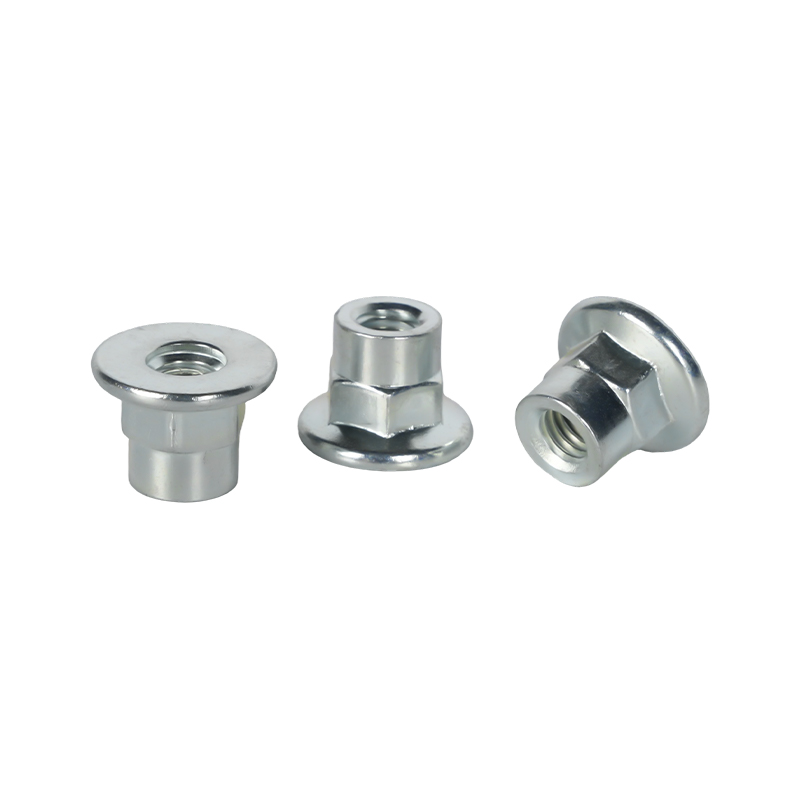
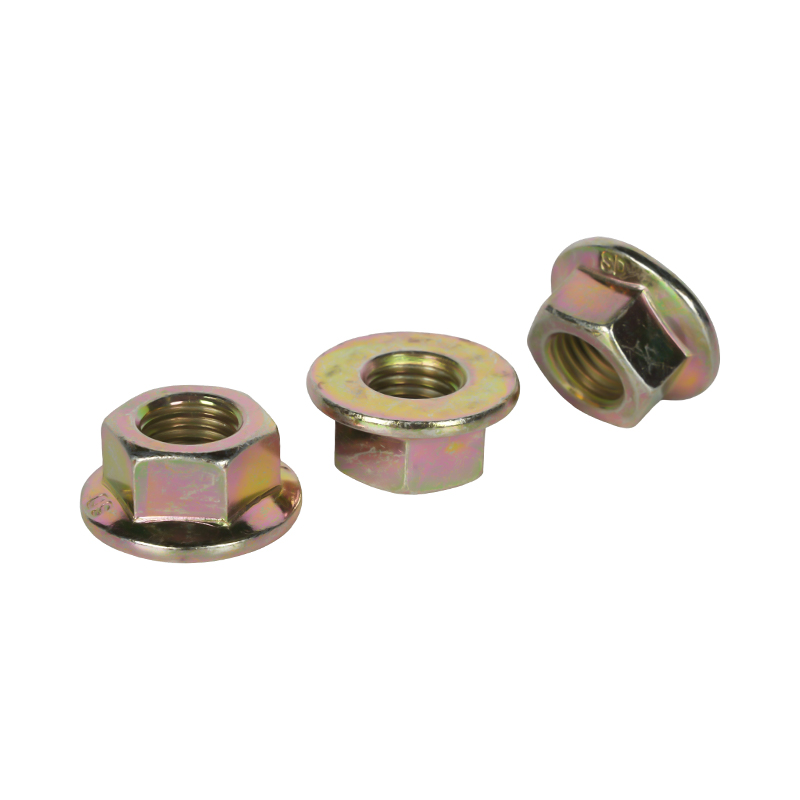
Compared with conventional hex head screws, the integrated flange can reduce the need for a separate washer in applications designed for flange fasteners. Depending on the fastening requirements, the flange may have a smooth or serrated underside. Thread diameter, pitch, length, head dimensions, material grade, and surface finish are determined by the specific automotive assembly design.
These fasteners are used in automotive manufacturing, component assembly, mechanical mounting, and vehicle parts supply chains. For automotive manufacturers, parts suppliers, importers, and industrial distributors, product selection should consider thread compatibility, tightening requirements, mechanical properties, and dimensional tolerances. Drawing-based specifications help maintain consistency when sourcing fasteners for production programs and recurring bulk orders.
Core Advantages
Functional characteristics and manufacturing considerations for automotive fastening applications.
Integrated Bearing Flange
The flange forms an enlarged bearing surface directly beneath the hex head. It helps distribute clamping force across the contact area and can eliminate a separate washer when the assembly design specifies a flange screw.
Hexagonal Drive Configuration
The hexagonal head allows installation using compatible wrenches, sockets, or automated fastening tools. This configuration supports common mechanical assembly procedures and provides external tool engagement.
Multiple Thread Configurations
Thread diameter, pitch, length, and engagement specifications can be selected according to the mating component and assembly drawing. This helps accommodate different automotive fastening interfaces.
Material Specification Options
Material and mechanical property requirements can be defined according to the specified fastener grade and application conditions.
Surface Treatment Selection
Coating and finishing requirements can be established according to corrosion protection, friction behavior, and environmental exposure.
Specification-Based Production
Drawings and approved samples provide references for dimensional requirements, inspection criteria, and repeat-order management.
Product Features
Key structural and technical elements that buyers should evaluate when selecting automotive hex head flange screws.
Hex Head Structure
Six-sided external head geometry provides wrench or socket engagement for controlled fastening and removal.
Integrated Flange
The flange increases the bearing surface beneath the head. Its diameter and thickness depend on the specified design.
Thread Geometry
Metric or other specified thread systems may be used according to the mating thread, pitch, tolerance, and engagement requirements.
Material Composition
Material selection depends on the required mechanical properties, manufacturing specification, and intended service environment.
Mechanical Properties
Tensile strength, proof load, hardness, and other mechanical characteristics are determined by the specified fastener grade.
Surface Finish
Surface treatments can be specified according to corrosion resistance, coating requirements, and assembly conditions.
Flange Underside Design
Smooth or serrated flange configurations may be specified depending on the contact surface and joint design.
Dimensional Tolerance
Overall length, head dimensions, flange geometry, and thread tolerances should follow the approved engineering documentation.
Applications
Hex head flange screws are selected for automotive fastening points where an integrated bearing flange and external hexagonal drive are specified.
Automotive Body Components
Used in designated fastening points for body brackets, mounting plates, and structural support components. Buyers need to verify the bolt dimensions and contact surface requirements against the assembly drawings.
Engine and Mechanical Assemblies
Applied in specified mechanical fastening connections involving brackets, housings, and supporting components. Material grade and tightening requirements must match the engineering design.
Automotive Chassis Components
Used in applicable chassis-related mounting connections where flange geometry and fastener specifications are defined by the vehicle manufacturer.
Vehicle Assembly Operations
Supplied for automotive production lines requiring hexagonal drive fasteners for component installation and mechanical assembly procedures.
Automotive Parts Manufacturing
Purchased by component manufacturers and assembly suppliers for integration into specified automotive parts and subassemblies.
Automotive Parts Distribution
Distributed through industrial fastener and automotive replacement parts channels. Buyers should verify dimensions, thread specifications, and application compatibility before stocking.
Manufacturing & Supply Capabilities
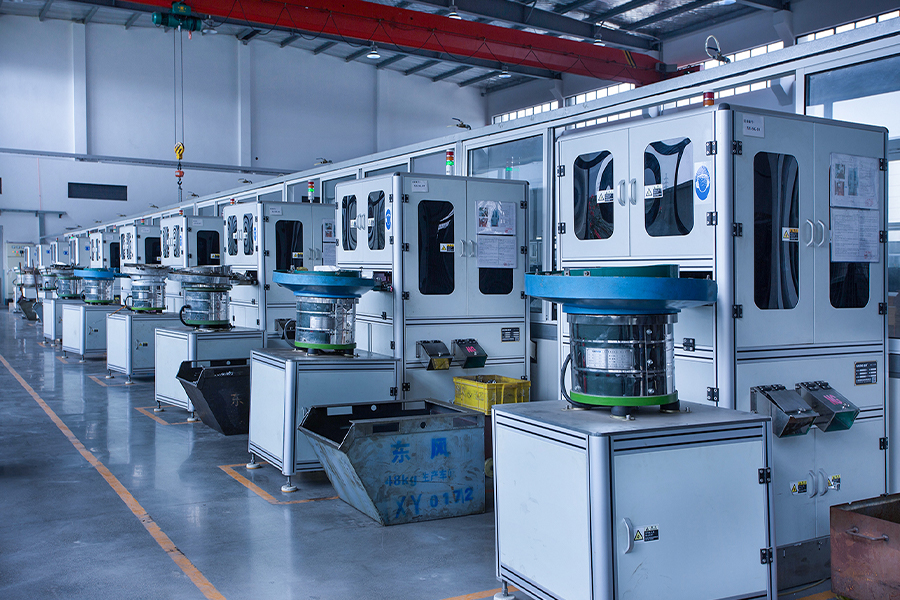
The manufacturing of automotive hex head flange screws involves coordinating raw material selection, head and flange forming, thread processing, applicable heat treatment, surface finishing, and product inspection. The production route depends on the specified fastener design and the manufacturer's actual processing capabilities.
Technical Specification Review
Review product drawings, thread dimensions, head geometry, flange dimensions, material grade, tolerances, and relevant inspection standards before production.
Raw Material Preparation
Select raw materials according to the specified fastener grade, mechanical requirements, and processing conditions. Material documentation can be defined according to buyer requirements.
Head and Flange Forming
Apply suitable forming or machining processes to produce the hexagonal head and integrated flange. Critical dimensions should follow the approved technical drawing.
Thread Processing
Process threads according to the required diameter, pitch, tolerance, and thread length. Thread inspection helps verify compatibility with mating components.
Heat Treatment and Finishing
Where required, apply the specified heat treatment and surface finishing procedures according to material and mechanical property requirements.
Inspection and Shipment
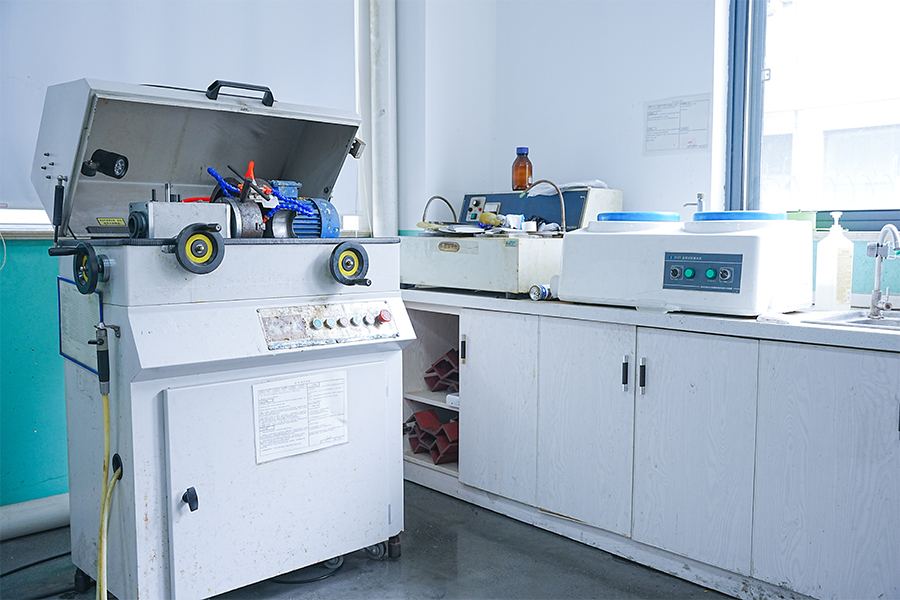
Verify agreed dimensional, mechanical, and surface requirements before packaging. Batch identification, labeling, and delivery arrangements can be coordinated with the buyer.
B2B Buyer Considerations
The following information helps suppliers evaluate product compatibility, manufacturing requirements, and order arrangements.
Dimensions and Thread Compatibility
Specify thread diameter, pitch, overall length, thread length, head dimensions, flange diameter, and dimensional tolerances. These parameters determine whether the fastener matches the intended mounting interface.
Flange Configuration
Confirm whether a smooth or serrated flange is required. The selection should consider the mating surface, fastening design, installation method, and vehicle manufacturer's assembly specifications.
Material and Strength Grade
Define material composition, strength class, hardness, and applicable mechanical testing requirements. These specifications affect material sourcing, production processes, and quality verification.
Surface Treatment Requirements
Confirm coating type, corrosion protection requirements, coating thickness, and relevant friction characteristics. Any restrictions on surface treatment should be included in the technical documentation.
Order Quantity and Quality Documentation
Discuss MOQ, sample availability, production lead time, dimensional inspection, material certificates, batch traceability, and packaging requirements when requesting a quotation.
Frequently Asked Questions
Answers to common technical and purchasing questions about automotive hex head flange screws.
Q01 What is the difference between a hex head flange screw and a standard hex head screw?
A hex head flange screw has an integrated flange beneath the head, while a standard hex head screw typically has no built-in bearing flange. The flange provides a wider contact area and may eliminate the need for a separate washer in compatible assembly designs. The appropriate configuration depends on the mounting surface and fastening requirements.
Q02 What is the purpose of the flange beneath the screw head?
The flange increases the bearing area between the screw head and the mating component. This helps distribute clamping pressure over a larger contact surface. Depending on the design, it can also replace a separate washer. Actual joint performance depends on flange geometry, surface conditions, material properties, and tightening procedures.
Q03 Are smooth and serrated hex flange screws interchangeable?
Not necessarily. Smooth flange screws have a flat bearing surface, while serrated versions have teeth beneath the flange designed to increase resistance to rotational movement at the contact interface. Serrations may affect surface marking, friction, and joint behavior. Buyers should follow the approved assembly specification rather than substitute one configuration for another without engineering approval.
Q04 Can automotive hex head flange screws be manufactured to custom dimensions?
Custom dimensions can be evaluated according to engineering drawings or reference samples. Requirements may include thread diameter, pitch, screw length, head dimensions, flange diameter, material grade, and surface treatment. Production feasibility, tooling costs, MOQ, and delivery schedules should be confirmed after reviewing the technical requirements.
Q05 Which materials are commonly specified for automotive flange screws?
Steel is commonly specified for automotive flange fasteners, with the exact material grade and mechanical property class determined by the engineering design. Selection should consider tensile strength, proof load, hardness, processing requirements, and service environment. The material specification should be confirmed before quotation and production.
Q06 How should the surface treatment of automotive flange screws be selected?
Surface treatment should be selected according to corrosion protection requirements, friction characteristics, environmental exposure, and material compatibility. Zinc-based coatings and other specified protective finishes may be considered where permitted by the application requirements. Buyers should also evaluate coating thickness and hydrogen embrittlement control for applicable high-strength fasteners.
Q07 What quality inspections are relevant to automotive hex head flange screws?
Relevant inspections may include thread gauging, overall length measurement, hex head dimensions, flange diameter, flange thickness, hardness, tensile properties, visual inspection, and coating verification. Specific inspection items and acceptance criteria should be defined according to the engineering drawing and purchase specification.
Q08 What details should buyers provide for bulk purchasing?
Buyers should provide technical drawings or samples, thread specifications, dimensions, flange configuration, material grade, mechanical property requirements, surface finish, order quantity, and packaging details. Delivery destination and required inspection documents should also be included to support quotation, production planning, and shipment coordination.