Frequently Asked Questions
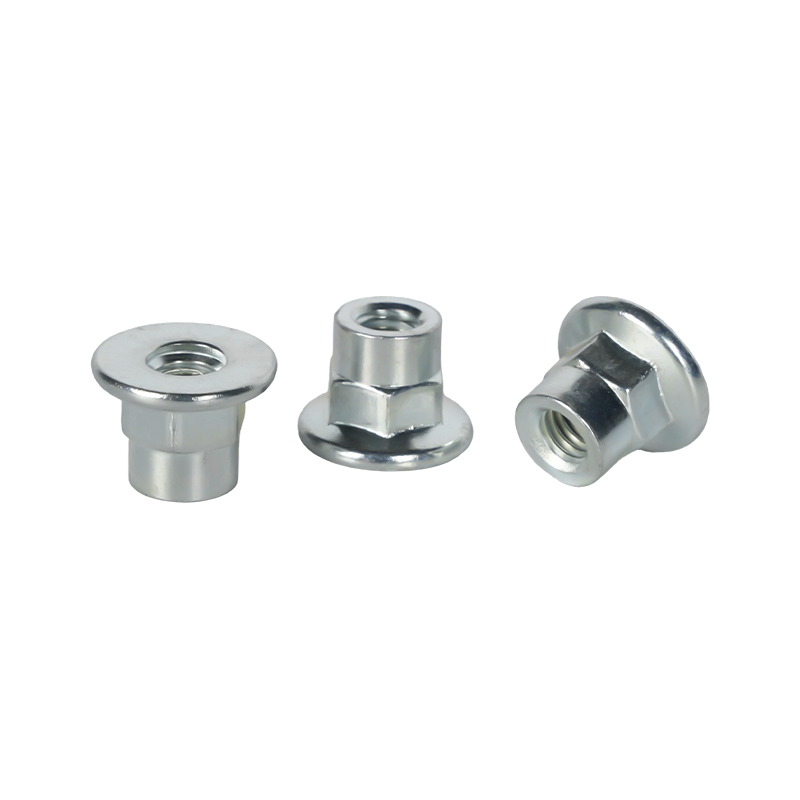
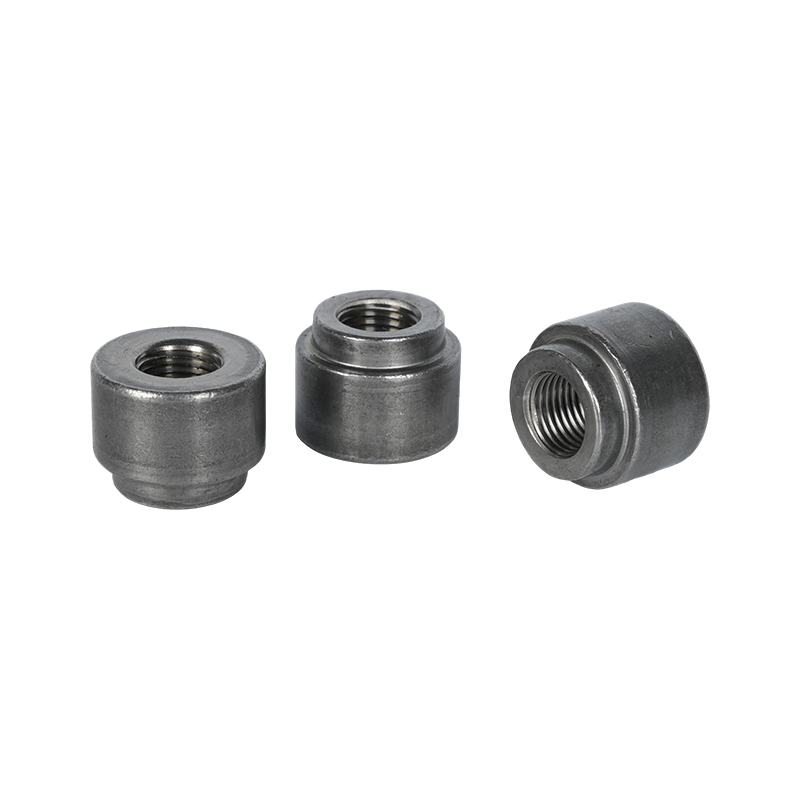
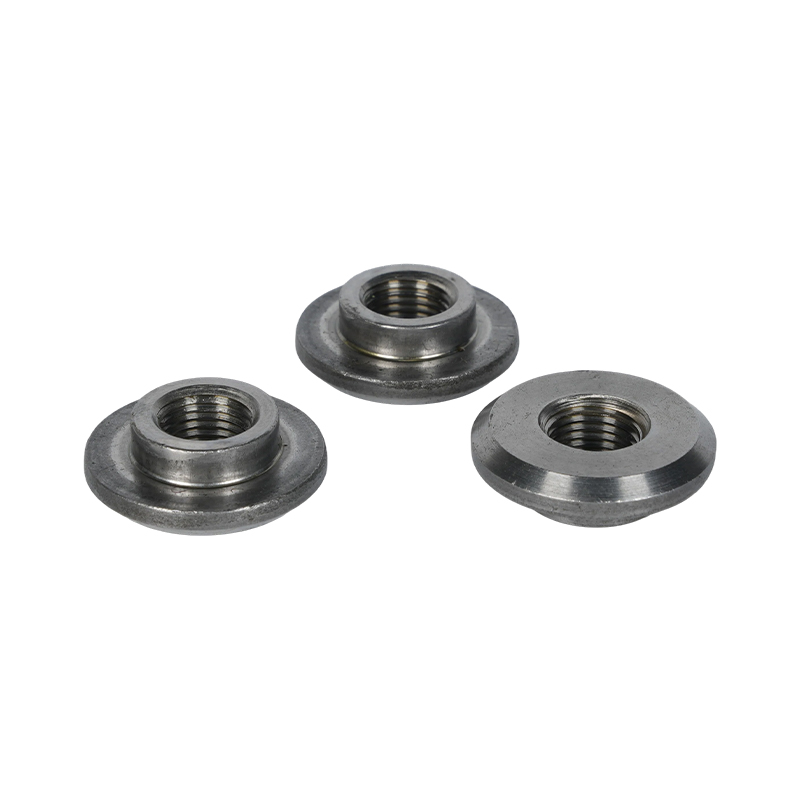
Q: What is the purpose of the extended shoulder on this flange nut?
A: The extended shoulder provides additional thread engagement length beyond the standard nut height, effectively increasing the clamping length of the bolted joint. This is particularly beneficial in applications subject to thermal expansion, where the increased length reduces stress relaxation in the fastener .
Q: What is the difference between this fastener and a standard flange nut with a separate spacer?
A: The extended shoulder is integrally formed with the nut body and flange, eliminating the need for separate spacer components. This integrated design reduces assembly complexity, minimizes the number of parts, and eliminates potential issues associated with separate spacer components such as misalignment or loss during handling .
Q: What is the recommended tightening torque for this nut?
A: Tightening torque values are determined by the thread size, nut performance grade, material grade, and application load requirements. The extended shoulder does not affect torque specifications; values should be obtained from engineering standards or calculation methods defined in fastener design guidelines. For applications subject to thermal cycling, torque specifications may need to account for operating temperature conditions.
Q: Can these nuts be reused after removal?
A: The nut itself is reusable, provided threads and shoulder remain in satisfactory condition. Inspection should verify that threads are free from deformation or damage. For critical applications, replacement is recommended to ensure consistent clamping performance.
Q: What are the available surface treatments?
A: Surface treatments include zinc plating (clear, yellow, black chromate), zinc flake coating, nickel plating, phosphate coating, black oxide, and others. Treatment selection is based on corrosion resistance requirements, environmental exposure conditions, and appearance specifications.