

product
product
product
product
product
product
product
product
product
product
product
product
product
product
product
product
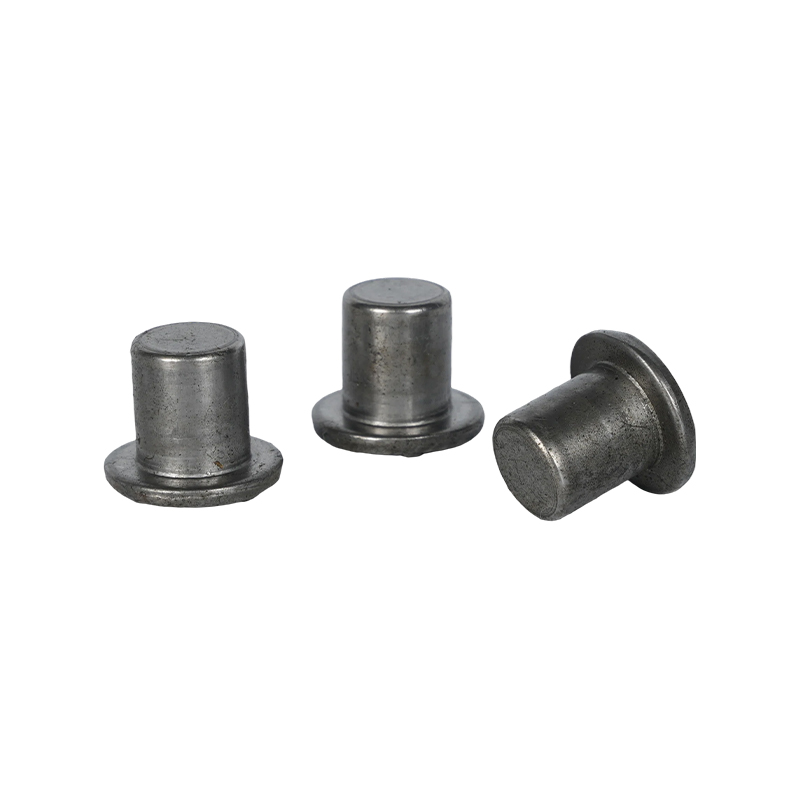

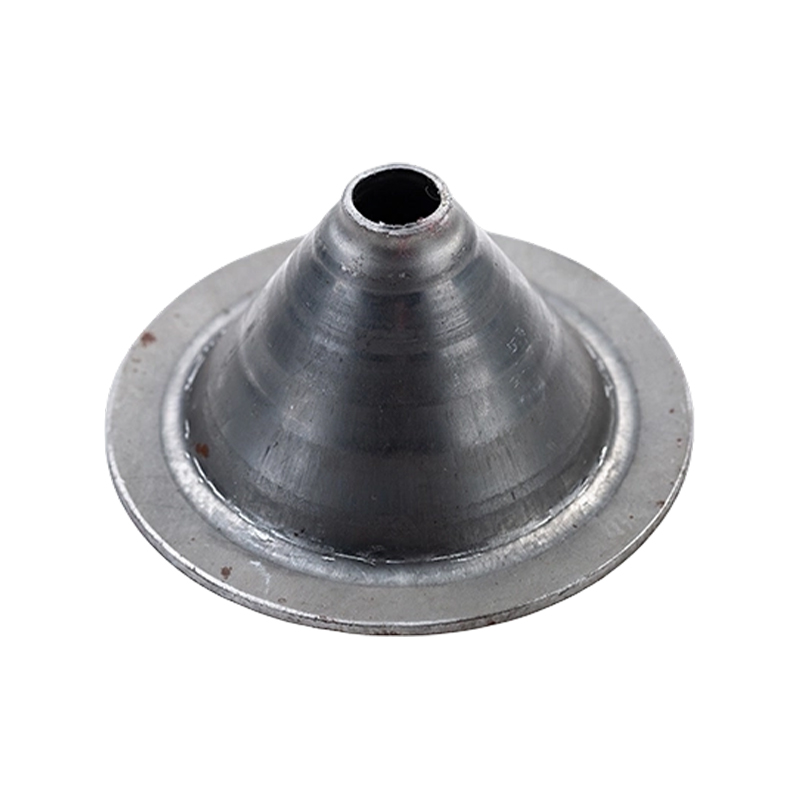
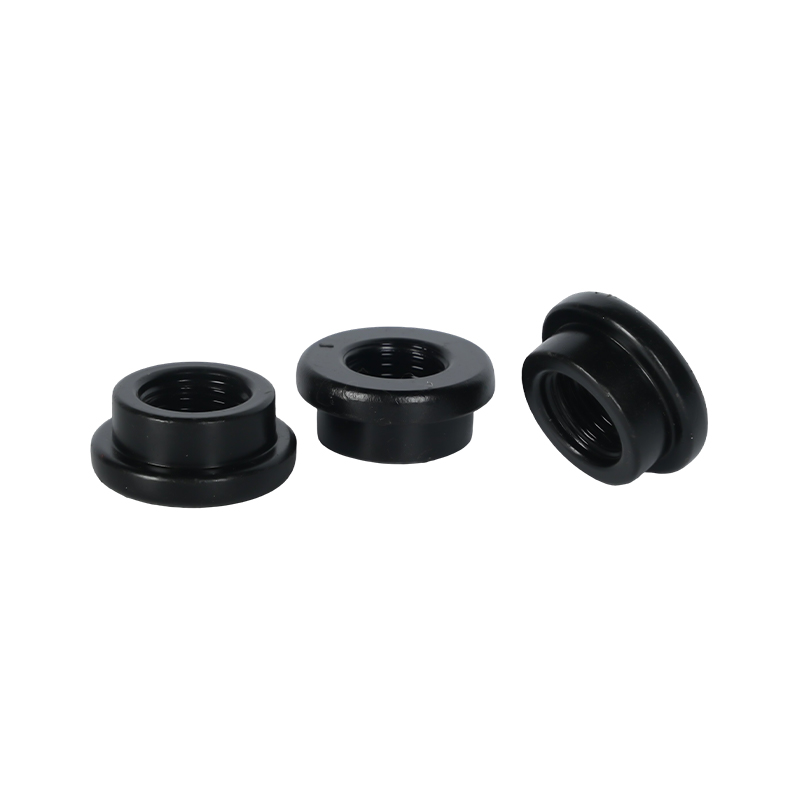
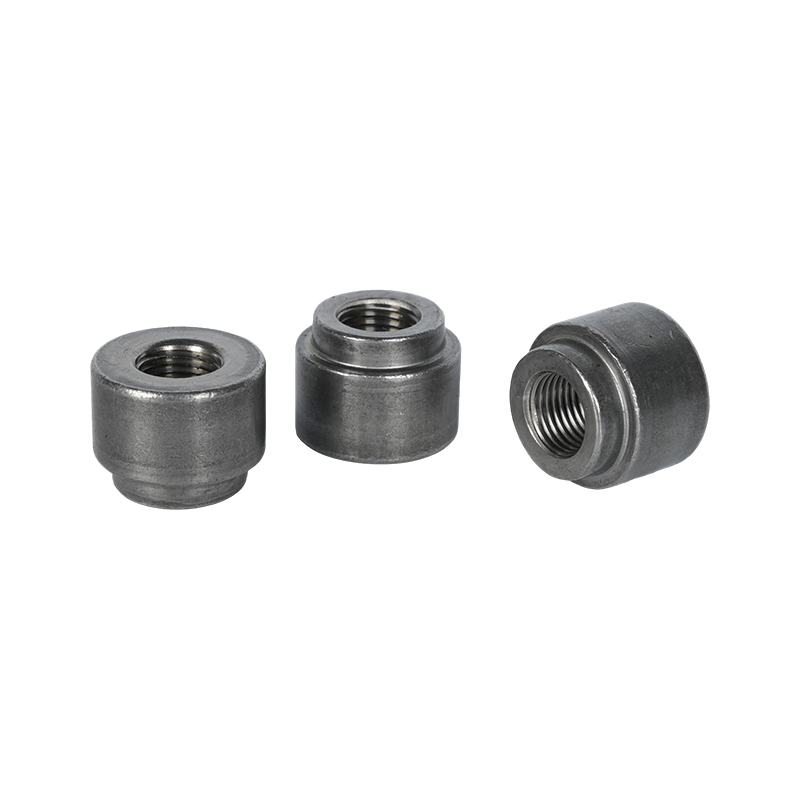
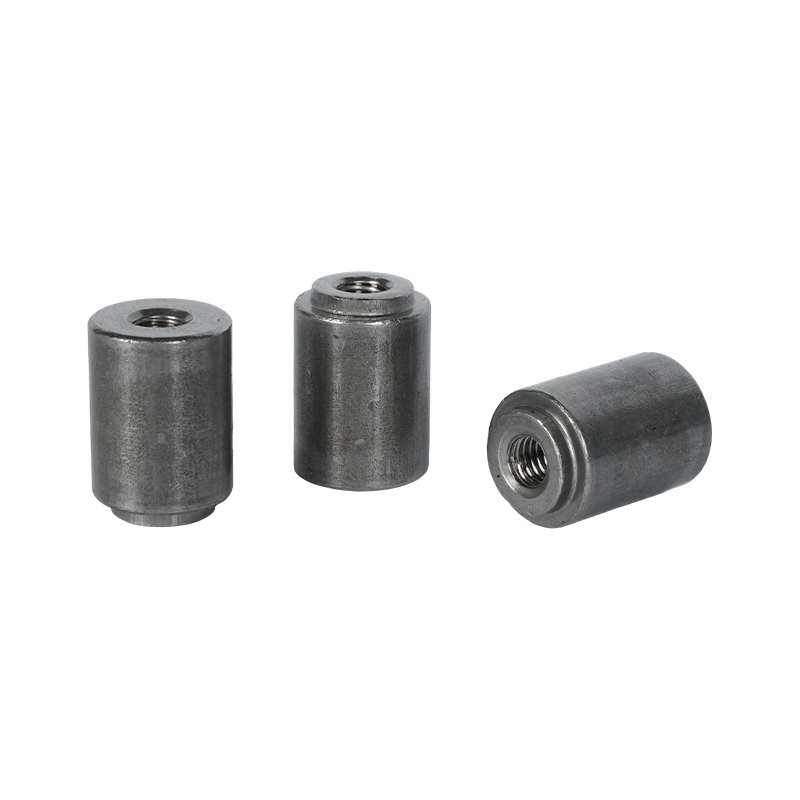
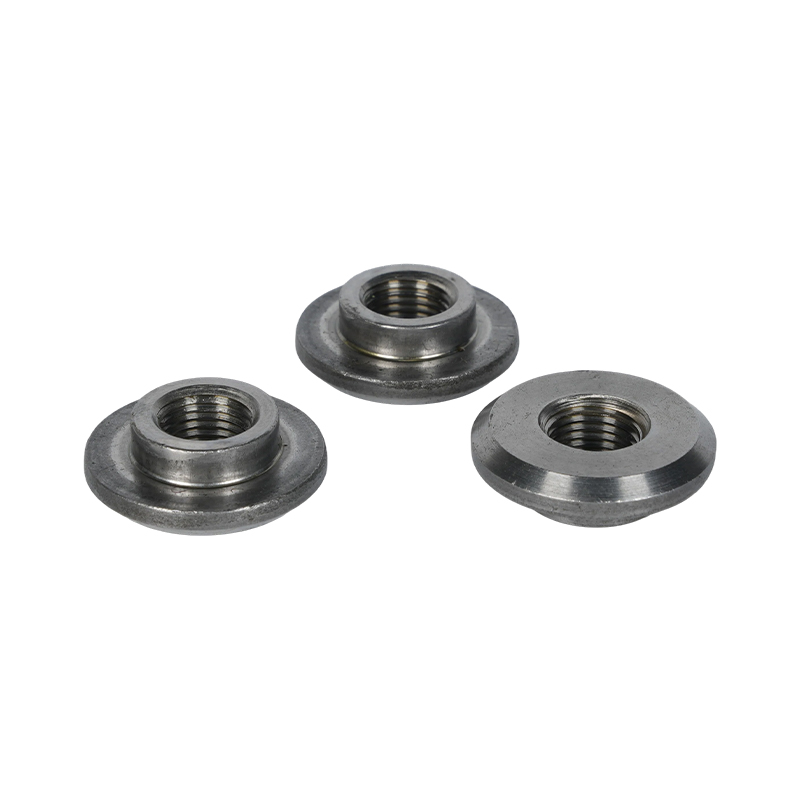
Flanged Blind Closed End Waterproof Nut is a blind fastener designed for single-side installation into thin sheet materials . The nut features a flanged head and a closed-end barrel that creates a sealed internal thread cavity, preventing liquid, dust, or contaminants from passing through the threaded body . This design provides a watertight connection, with certain configurations achieving IP68-rated sealing performance for submerged or wet environments . Thread specifications are available in metric sizes ranging from M3 to M12. Customization options are available for specifications, material grades, strength levels, and surface treatments.