

 Español
 عربى
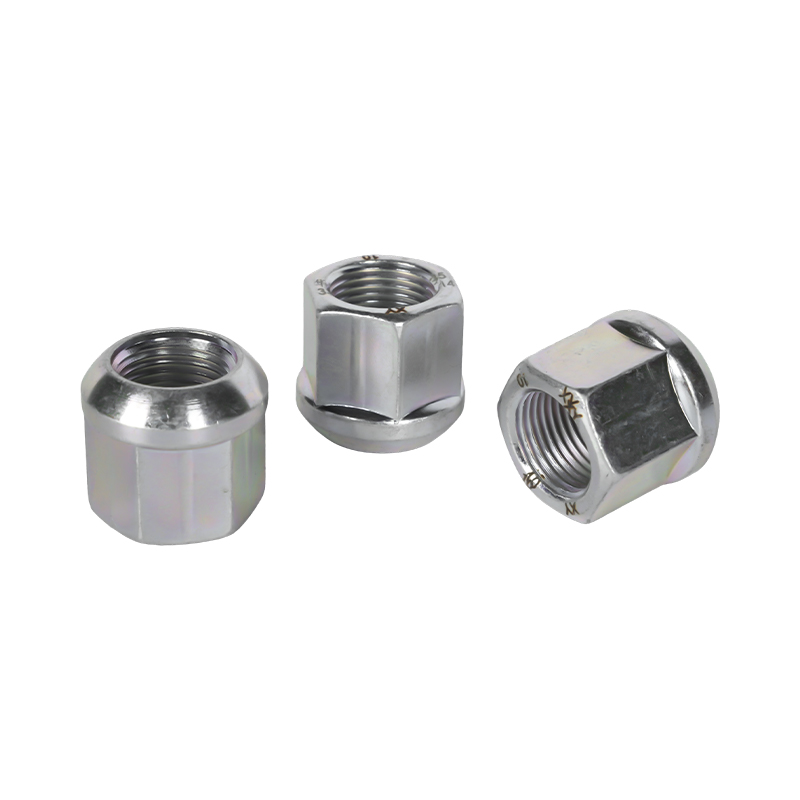
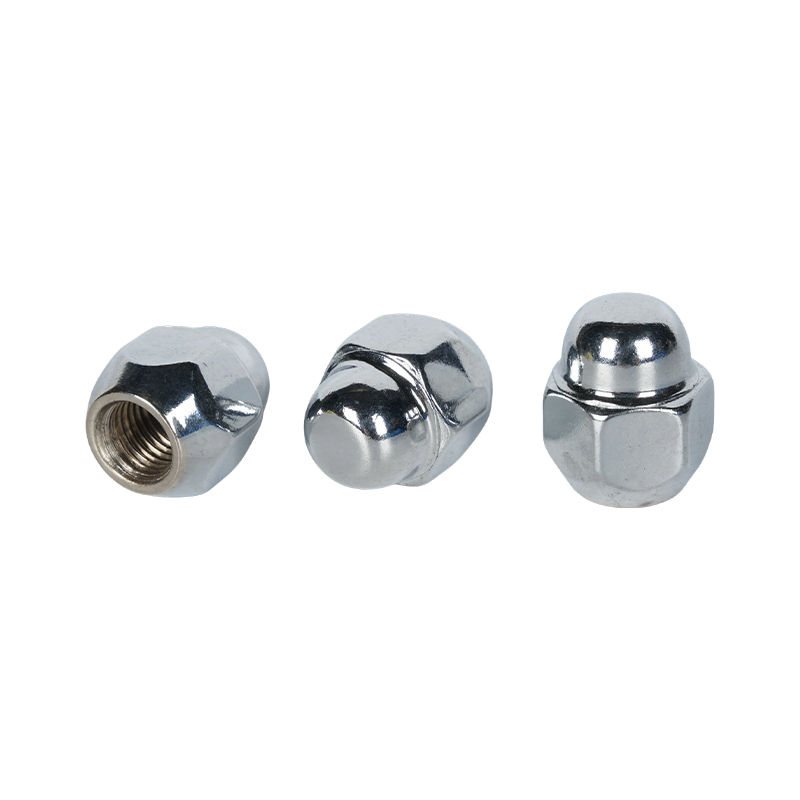
Automotive Torx Head Thread Forming Screws
Automotive Torx Head Thread Forming Screws are designed to create mating threads during installation in compatible materials, reducing the need for pre-tapped threads in selected fastening applications. Their Torx drive configuration provides a defined engagement interface for controlled tightening, while the screw geometry can be specified according to substrate properties, joint design and assembly requirements.
These fasteners are used in automotive assemblies where installation consistency, joint stability and production efficiency are important. Head dimensions, drive size, thread profile, material, coating and overall length should be evaluated according to the application rather than selected as isolated specifications.
Designed for Controlled Thread Formation and Drive Engagement
Unlike conventional machine screws that generally require a pre-existing internal thread, thread forming screws displace or reshape material during installation to establish a mating thread. This fastening method can simplify assembly in suitable applications and reduce certain preparatory machining operations.
The Torx drive transfers installation torque through multiple contact surfaces between the driver and screw recess. When matched with the correct driver bit, it supports stable engagement during automated or manual installation. The drive design also helps reduce the tendency for driver disengagement under appropriate operating conditions.
For automotive manufacturers and component suppliers, the screw must be matched to the receiving material, pilot-hole dimensions, installation torque, joint loading and environmental exposure. These factors influence thread formation, clamping performance and long-term fastening reliability.
Application-Specific Selection
Thread geometry, screw diameter, length and surface treatment should be evaluated together with the substrate and assembly process.
MATERIAL COMPATIBILITY / JOINT DESIGN / INSTALLATION CONTROLKey Characteristics in Automotive Fastening
Thread Formation During Installation
The screw forms a mating thread in compatible materials, which can reduce the requirement for separate thread-tapping operations in selected assembly processes.
Torx Drive Engagement
The internal star-shaped drive interface provides multiple torque-transfer contact points when used with a matching driver, supporting controlled screw installation.
Assembly Process Compatibility
Suitable configurations can be integrated into manual tools, powered drivers and automated fastening equipment, subject to the selected drive and installation parameters.
Configurable Fastener Geometry
Head style, thread dimensions, point configuration, material and coating can be evaluated according to the requirements of different automotive components.
Components That Influence Fastening Performance
Each structural feature contributes to installation behavior and compatibility with the receiving component.
Torx Recess
The internal drive profile determines driver compatibility and influences torque transmission during installation. The recess size must correspond to the selected driver bit.
Head Configuration
Head diameter, height and bearing surface affect component clearance, seating position and load distribution at the fastening point.
Forming Thread
Thread pitch, flank geometry and major diameter determine how the screw interacts with the substrate and forms the mating thread.
Thread Entry Point
The point geometry assists initial positioning and thread engagement. Its configuration should match the material thickness and pilot-hole design.
Product Specification Factors
Final dimensions and technical requirements should be confirmed against engineering drawings, samples or an approved fastener specification.
| Specification Item | Available Configuration Considerations |
|---|---|
| Drive Type | Internal Torx drive; recess size according to drawing or assembly requirements. |
| Head Style | Head shape and bearing surface selected according to installation space and component design. |
| Thread Type | Thread-forming profile matched to the receiving material and pilot-hole specification. |
| Material | Fastener material selected according to mechanical requirements and operating environment. |
| Surface Treatment | Coating or finishing selected according to corrosion protection, friction and application requirements. |
| Dimensions | Diameter, overall length, thread length and head dimensions based on technical drawings. |
| Packaging | Bulk, bagged or other packaging formats subject to order and handling requirements. |
Automotive Components and Assembly Applications
Potential applications depend on substrate compatibility, joint loads, dimensional requirements and the specified fastening process.
Interior Component Assembly
Fastening selected interior panels, trim components, brackets and other assemblies where the receiving material is suitable for thread-forming installation.
Electrical and Electronic Housings
Securing compatible covers, enclosures and mounting components in automotive electrical assemblies.
Plastic Automotive Parts
Joining selected molded plastic components where thread geometry and installation conditions are properly matched.
Brackets and Auxiliary Assemblies
Fastening compatible support brackets, accessory mounts and non-critical structural subassemblies.
Automotive Equipment Components
Used in selected equipment housings and auxiliary components where the joint design permits thread-forming screws.
Production Considerations for Consistent Fastener Supply
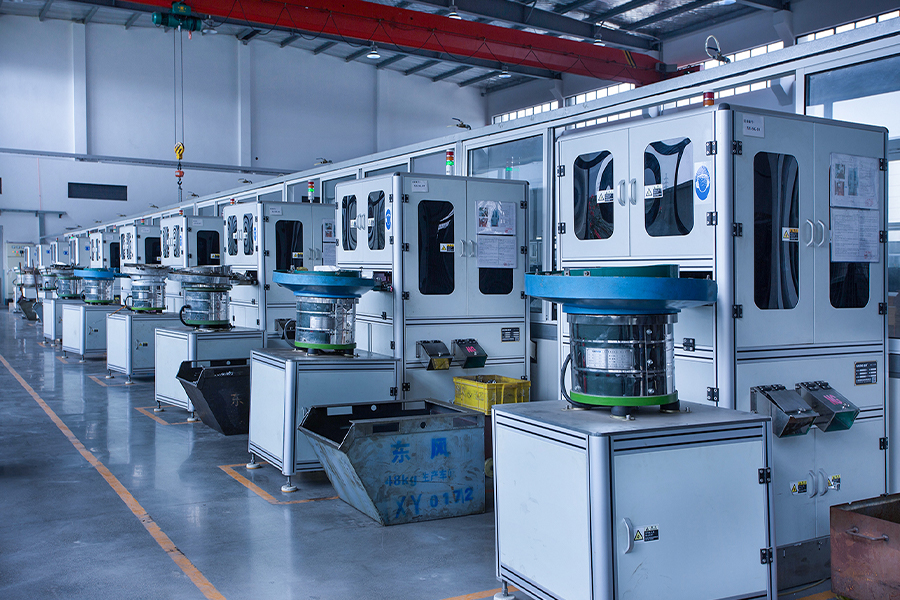
For automotive fastener sourcing, dimensional consistency and process control should be assessed throughout production and inspection.
Material Preparation
Material selection and incoming inspection according to the specified grade and product requirements.
Forming and Threading
Manufacturing operations establish the required head geometry, drive recess and thread profile.
Heat Treatment and Finishing
Applicable treatment and surface finishing are determined by material specifications and performance requirements.
Inspection and Packing
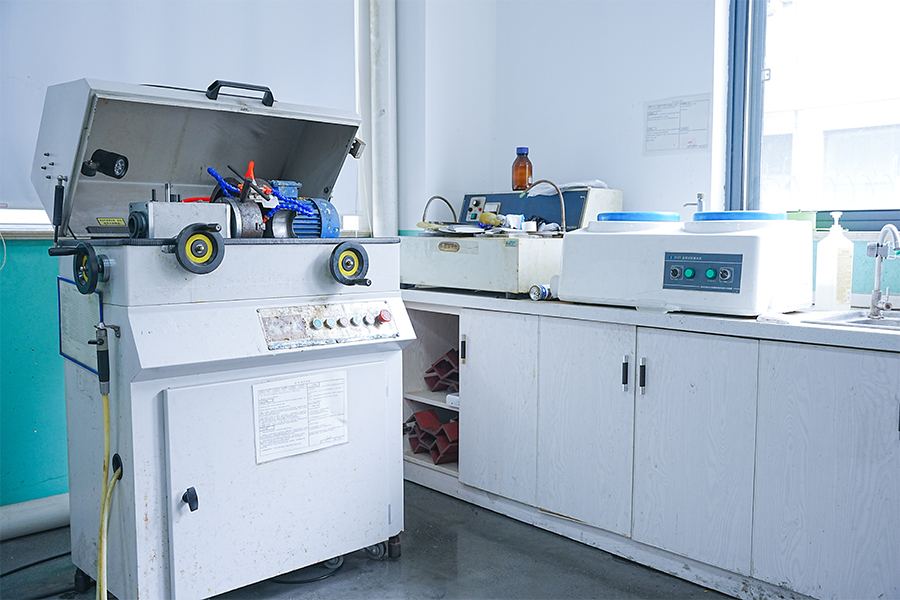
Relevant dimensions, drive condition, thread characteristics and surface appearance are checked against agreed criteria.
Automotive Torx Head Thread Forming Screws FAQ
Technical questions commonly considered during automotive fastener evaluation and sourcing.
What is the function of a thread forming screw?
A thread forming screw creates a mating thread by displacing or reshaping material during installation. It is used in compatible substrates where the joint design allows thread formation without a conventional pre-tapped internal thread.
What is the benefit of a Torx drive on automotive screws?
The Torx recess provides multiple contact points for torque transmission when paired with the correct driver bit. This engagement can support controlled installation and reduce driver cam-out under suitable operating conditions.
Can these screws be used in plastic automotive components?
They can be used in selected plastic components when the thread profile, screw diameter, pilot-hole dimensions and installation conditions are compatible with the plastic material. Application testing is recommended to evaluate thread engagement and resistance to stripping.
How should the pilot-hole size be determined?
Pilot-hole dimensions should be determined according to the screw geometry, substrate material, material thickness and required joint performance. The screw supplier and component engineering team should confirm the recommended dimensions through technical data or application testing.
Which surface treatments are available?
Surface treatment options depend on the base material, corrosion exposure, friction requirements and applicable specifications. The required coating should be identified during the technical quotation stage rather than assumed from the screw type.
What information is required for a quotation?
Useful information includes a technical drawing or sample, screw dimensions, Torx drive size, thread profile, receiving material, material grade, surface treatment, quantity and packaging requirements. Application details can also help determine whether the proposed configuration is suitable.
Can the screw dimensions be produced according to customer drawings?
Production according to customer drawings or samples can be evaluated based on manufacturing capability, tooling requirements and order specifications. Dimensional tolerances, material and finishing requirements should be confirmed before production.