

product
product
product
product
product
product
product
product
product
product
product
product
product
product
product
product
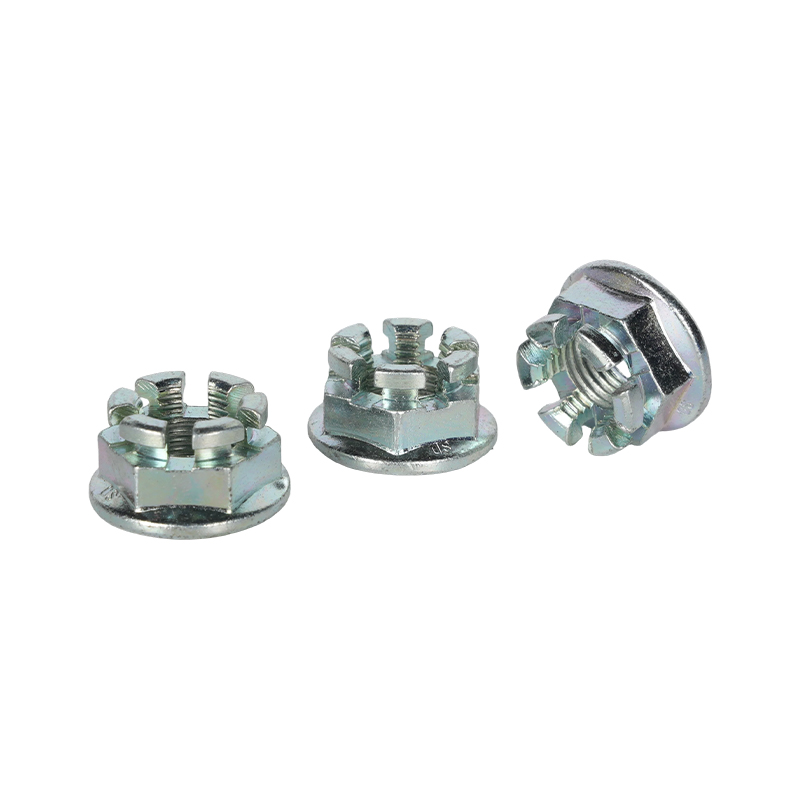
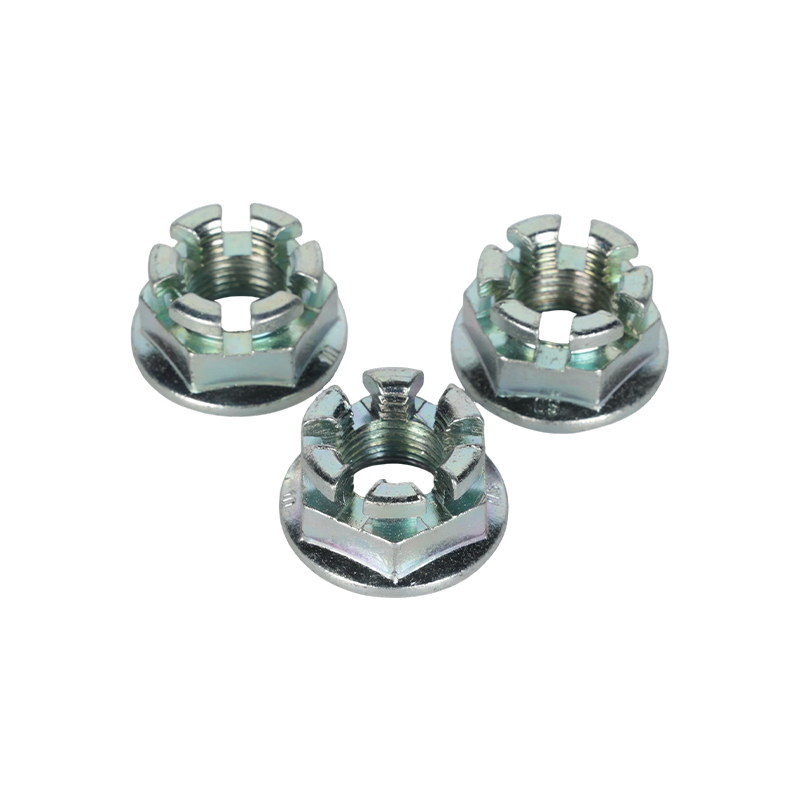

Carbon Steel Hex Flanged Slotted Nut is a fastening component that combines a hexagon flange nut configuration with a slotted upper section. The slots are positioned at the top of the nut and align with holes in the mating bolt when tightened, allowing for the insertion of a cotter pin or other locking device through both the nut slots and the bolt hole. The flange provides an integrated bearing surface that distributes clamping load across the workpiece. Thread specifications range from M4 to M36, with product grades classified as Grade A for diameters up to 16mm and Grade B for diameters exceeding 16mm. Performance grades available include 8, 10, and 12 for carbon steel, and A2-70 for stainless steel. Customization options are available for specifications, material grades, strength levels, and surface treatments.