

 Español
 عربى
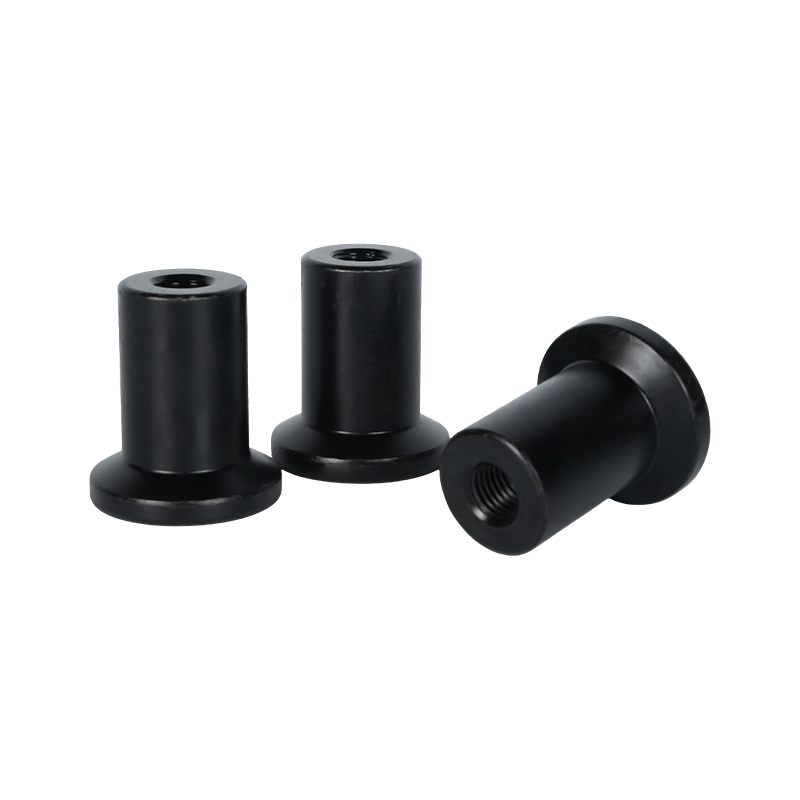
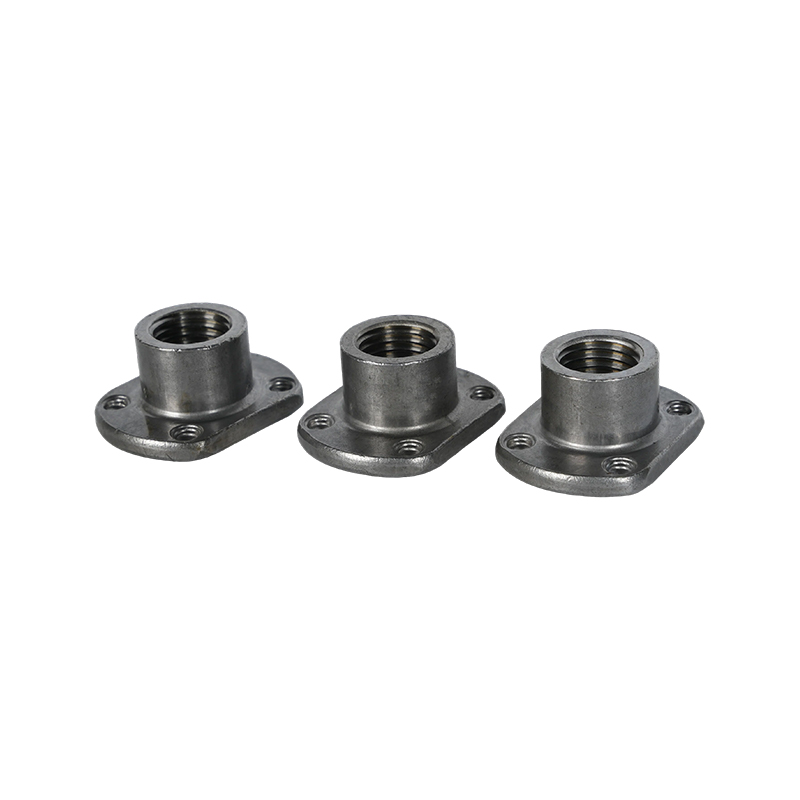
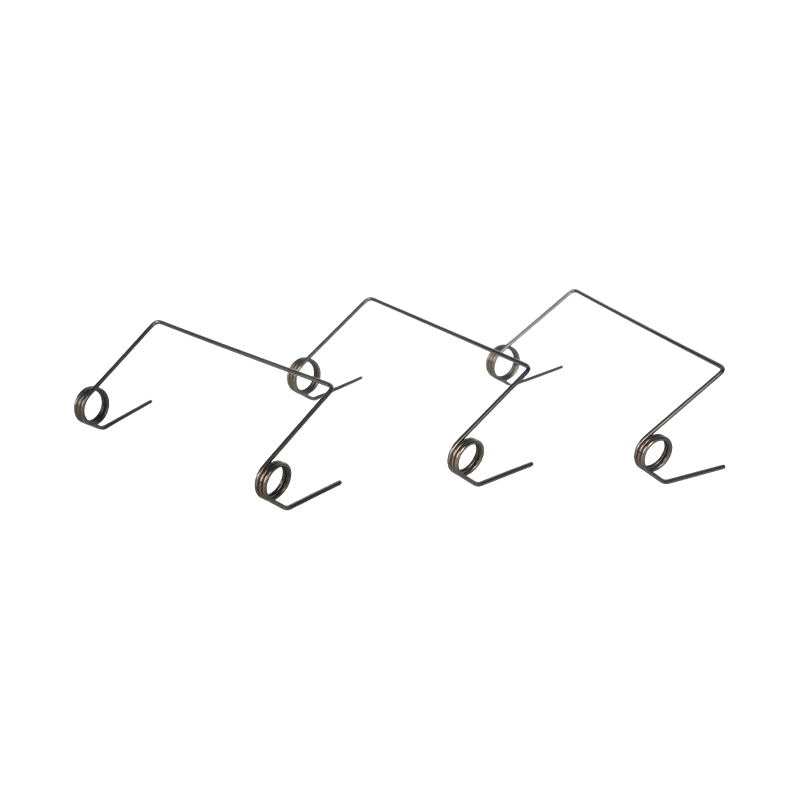
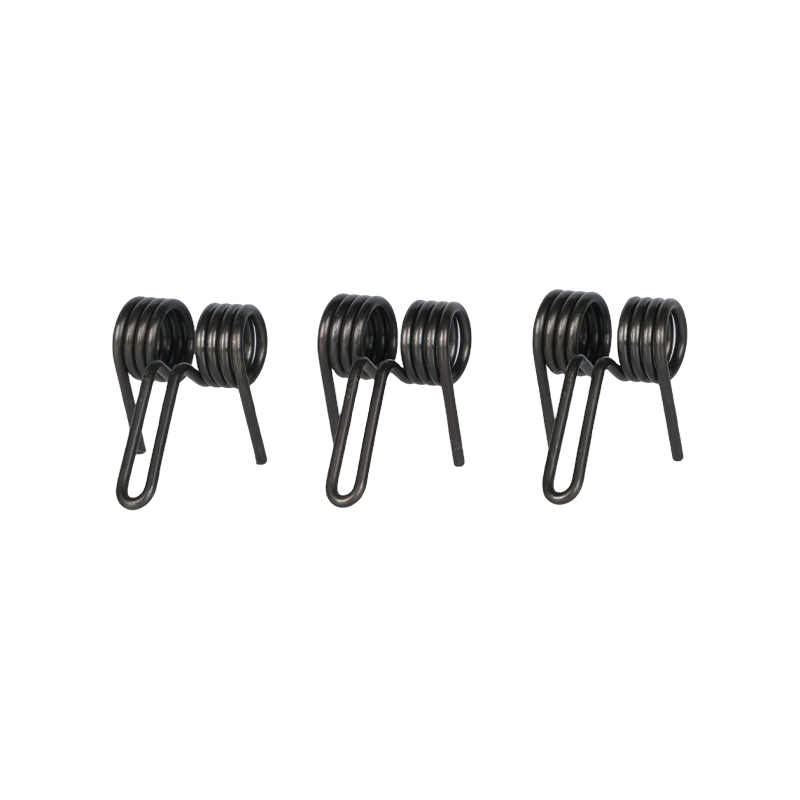
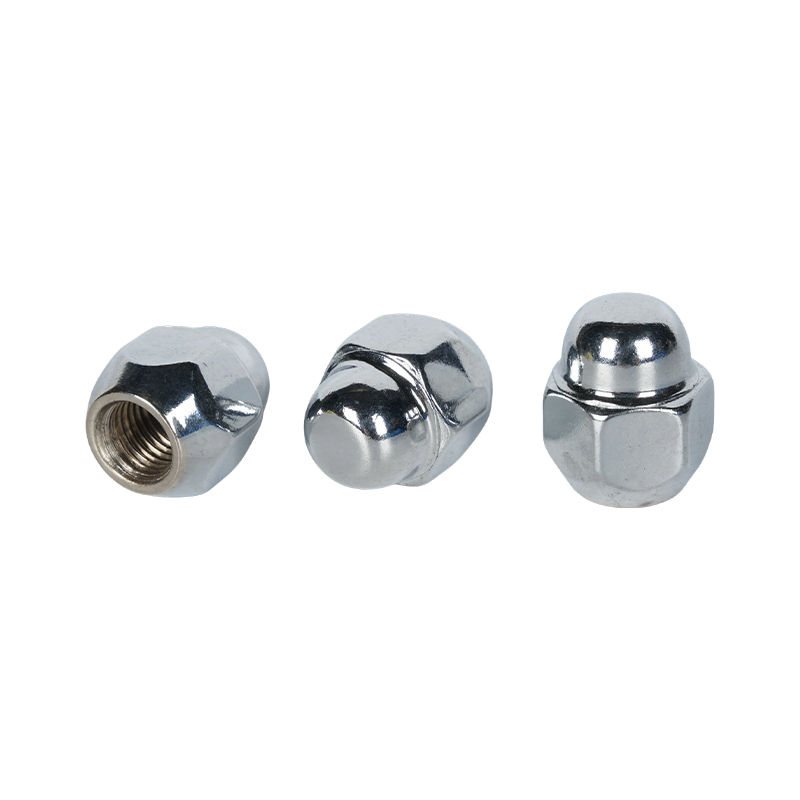
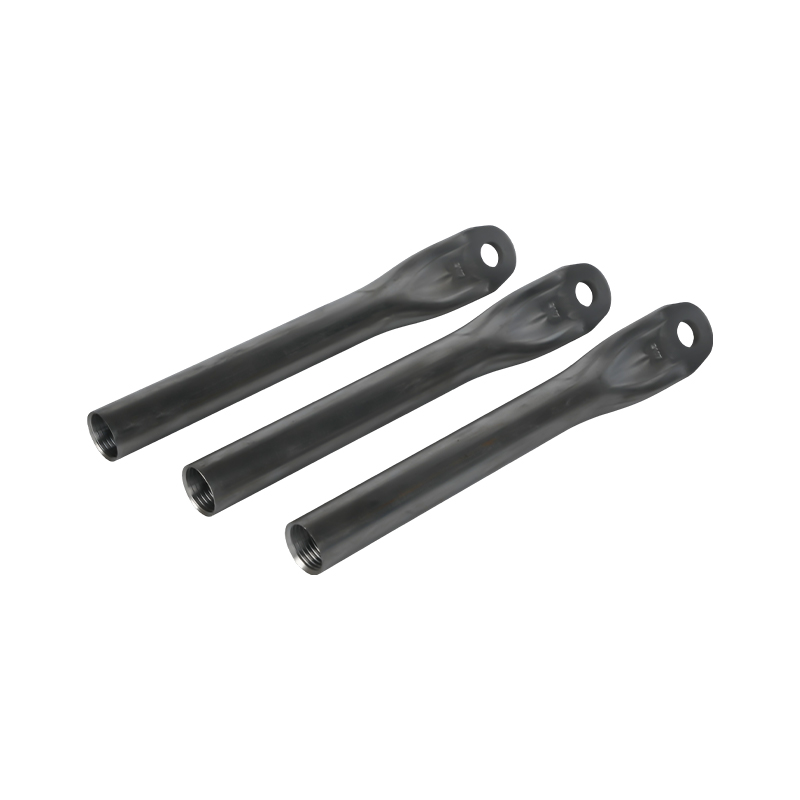
Automotive Seat Rail Mounting Bolts
Product Introduction
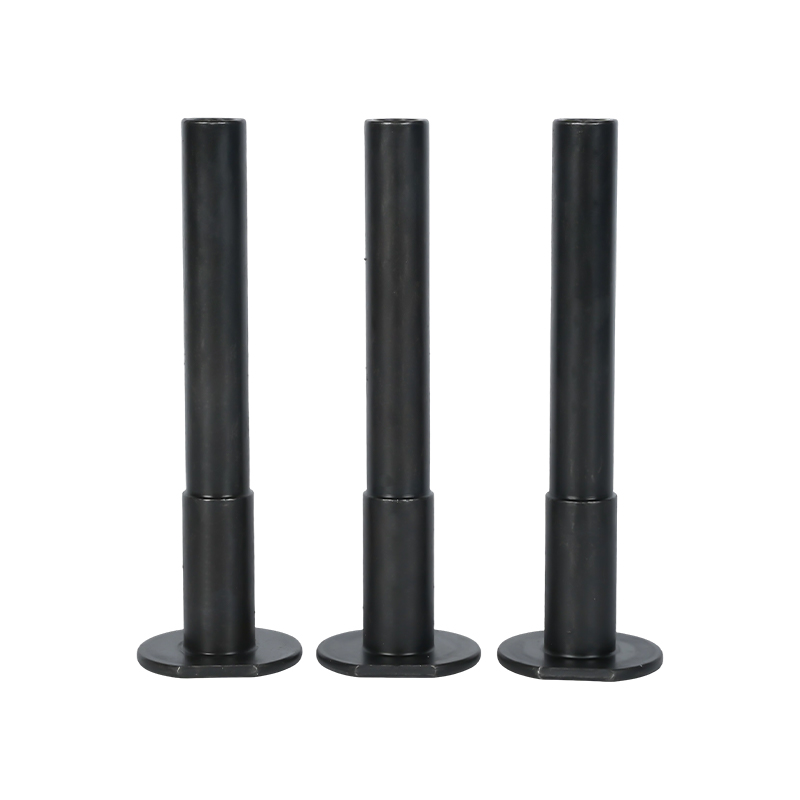
Automotive Seat Rail Mounting Bolts are threaded fastening components used to secure seat rails, sliding tracks, mounting brackets, and related seat support structures to designated vehicle mounting points. They help maintain a fixed mechanical connection between the seat assembly and the vehicle floor or supporting structure while allowing the seat adjustment mechanism to operate as designed.
These bolts are selected according to the vehicle platform, seat rail configuration, mounting hole dimensions, thread specifications, and required fastening conditions. Relevant design considerations include bolt diameter, thread pitch, overall length, head configuration, material grade, and surface finish. The selected fastener must provide dimensional compatibility and appropriate clamping performance for the intended assembly.
For automotive component manufacturers, seat assembly suppliers, vehicle parts distributors, and industrial fastener buyers, mounting bolts are important components in repeatable seat rail assembly. Procurement specifications should be established around the actual mounting interface and applicable vehicle requirements. Different dimensions, thread configurations, and surface treatments may be evaluated according to project drawings and production needs.
Core Advantages
Threaded Connection Compatibility
The threaded design allows the bolt to engage with corresponding threaded holes or fastening nuts in the seat mounting assembly. Correct thread diameter and pitch help establish a compatible connection and reduce installation problems caused by specification mismatches.
Application-Specific Dimensions
Bolt length, diameter, thread configuration, and head dimensions can be defined according to the mounting structure. This allows procurement teams to match fasteners with different seat rail designs and vehicle assembly requirements.
Mechanical Fastening Function
Properly selected mounting bolts provide the clamping force needed to secure the seat rail assembly. Their dimensions and mechanical properties should correspond to the engineering requirements of the complete fastening joint.
Material and Finish Selection
Material grade and surface treatment can be specified according to mechanical requirements, corrosion exposure, assembly conditions, and applicable automotive standards. These factors help buyers establish consistent component specifications.
Production Specification Control
Manufacturing specifications can be organized around approved drawings, thread requirements, dimensional tolerances, and inspection criteria. This supports more consistent component matching across production batches.
Batch Procurement Support
Standardized part numbers, technical drawings, and approved specifications provide a reference for repeat purchasing. This is relevant to automotive assembly plants, seat manufacturers, and distributors managing recurring fastener requirements.
Product Features
Threaded Bolt Construction
The bolt features an externally threaded shank designed to engage with a compatible nut or threaded mounting hole. Thread geometry determines fastening compatibility.
Multiple Dimensional Parameters
Diameter, thread pitch, shank length, and head dimensions are key parameters for matching the fastener to the seat rail mounting interface.
Application-Dependent Head Configuration
Head shape and drive configuration should correspond to the available installation space, tool access, and clamping surface requirements.
Specified Fastener Materials
Material selection should follow the required strength class, mechanical performance, manufacturing specifications, and vehicle application requirements.
Surface Treatment Options
Surface finishes can be evaluated according to corrosion protection requirements, friction characteristics, environmental exposure, and assembly specifications.
Seat Rail Mounting Compatibility
The bolt specification must correspond to the seat track, mounting bracket, vehicle floor interface, and associated fastening components.
Dimensional and Thread Inspection
Critical inspection points may include thread accuracy, overall length, diameter, head dimensions, surface condition, and other drawing-defined requirements.
Automotive Assembly Integration
These fasteners are intended for integration into seat mounting structures where the bolt configuration must match the corresponding mechanical connection.
Applications
Passenger Vehicle Seat Assemblies
Used to fasten seat rails and associated mounting brackets in passenger vehicle seat assemblies. Buyers need to confirm bolt dimensions and mechanical specifications against the vehicle's seat mounting design.
Automotive Seat Manufacturing
Seat manufacturers use mounting fasteners during the assembly of seat tracks, support structures, and related components. Consistent specifications help maintain compatibility across repeated production runs.
Commercial Vehicle Seating
Applicable to seat mounting assemblies in commercial vehicles where fastening requirements are determined by the seat structure, vehicle platform, and engineering specifications.
Automotive Component Production Lines
Suitable for procurement by automotive component factories and assembly facilities requiring standardized fastening parts for seat rail installation and related production operations.
Automotive Replacement Parts Distribution
Distributors and aftermarket parts suppliers may source seat rail mounting fasteners for vehicle-specific replacement requirements. Part number, dimensions, and application compatibility should be verified before ordering.
Automotive Seat Development Projects
During new seat structure development or mounting system modification, engineers may evaluate different bolt dimensions, materials, and head configurations to meet the design requirements of the assembly.
Manufacturing & Supply Capabilities
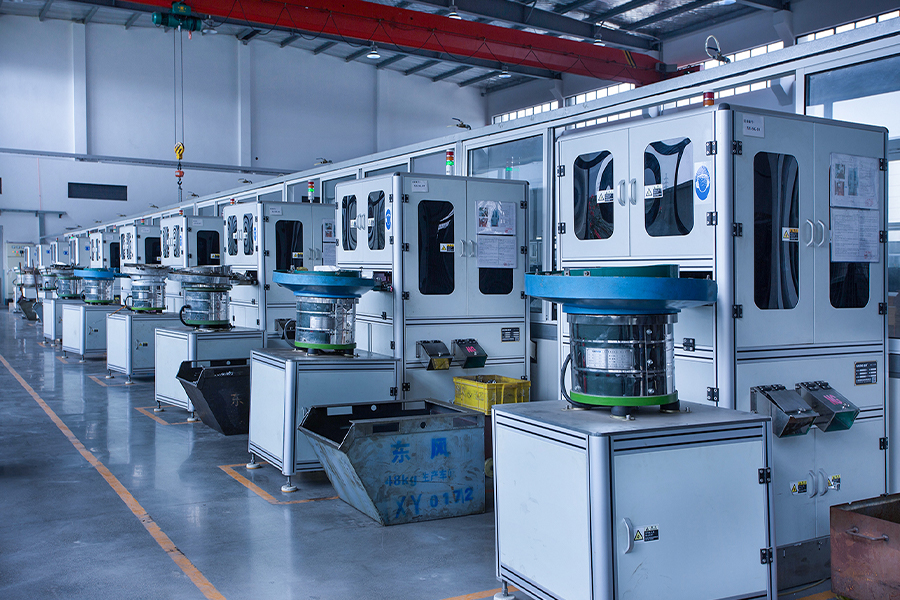
Automotive seat rail fasteners require coordination between product drawings, material specifications, manufacturing processes, and inspection requirements. For manufacturer and supplier evaluation, the following production and supply factors should be confirmed against the actual product range.
Drawing-Based Specification Review
Customer drawings and technical requirements can be used to identify thread dimensions, bolt length, head geometry, tolerances, and other critical specifications before production.
Material and Process Selection
Material grade and applicable forming, machining, threading, and finishing processes should be determined according to the approved fastener design and required mechanical properties.
Specification-Based Manufacturing
Production requirements can be organized around bolt dimensions, thread configuration, head design, and agreed technical drawings. The applicable manufacturing route depends on the product structure and supplier equipment.
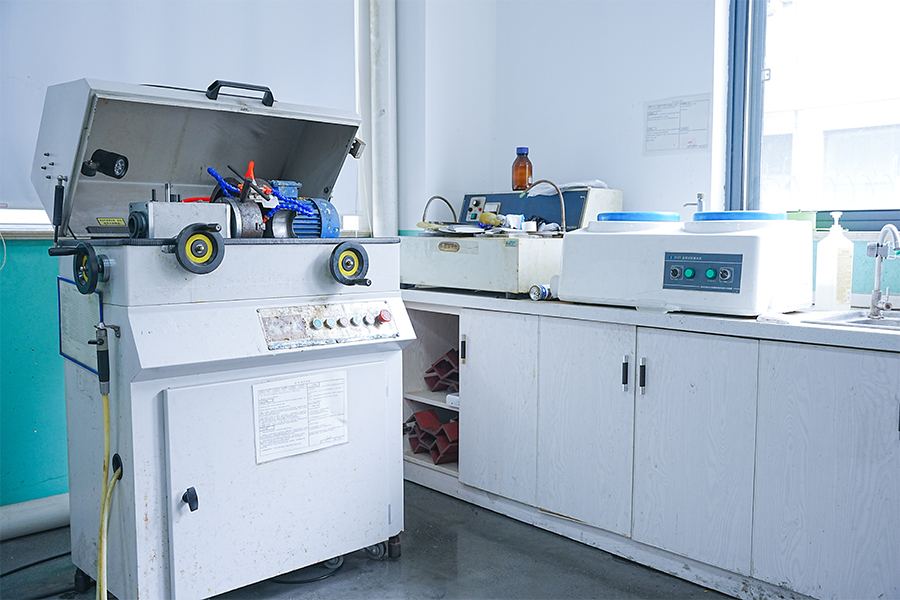
Quality Inspection
Inspection planning may cover dimensional verification, thread gauging, surface condition, material verification, and mechanical testing where required by the approved specifications.
Customized Production
Non-standard dimensions, thread configurations, head designs, and surface treatments can be evaluated according to customer drawings, technical feasibility, and confirmed production capabilities.
Batch and Repeat Order Management
Approved product specifications, part identification, packaging instructions, and inspection records can provide a consistent reference for repeat orders and ongoing automotive supply programs.
Specific manufacturing equipment, production capacity, available material grades, inspection facilities, and customization scope should be confirmed with the supplier before project approval.
B2B Buyer Considerations
| Technical Drawings and Dimensions | Buyers should provide bolt diameter, thread pitch, overall length, head dimensions, and mounting drawings. These details help prevent incompatibility during seat rail assembly. |
| Material Grade and Mechanical Requirements | The required material and property class should be determined according to the engineering design and applicable automotive fastening requirements. Material certificates or test documentation may be requested where necessary. |
| Surface Treatment | Surface finish should be selected according to corrosion exposure, friction requirements, assembly conditions, and relevant environmental restrictions. |
| MOQ and Production Lead Time | Minimum order quantities and delivery schedules depend on product specifications, raw material availability, manufacturing arrangements, and order volume. Buyers should confirm these conditions before placing purchase orders. |
| Quality Inspection and Packaging | Inspection criteria, sampling requirements, labeling, packaging quantities, and export packaging should be agreed upon before mass production and shipment. |
Frequently Asked Questions
Technical and procurement information about automotive seat rail mounting fasteners.
1. What specifications are required when purchasing automotive seat rail mounting bolts?
Buyers should provide the nominal bolt diameter, thread pitch, overall length, thread length, head dimensions, material grade, and surface treatment requirements. A technical drawing or original part sample can help verify the mounting interface and identify any additional dimensional requirements.
2. How do I select the correct bolt length for a seat rail assembly?
Bolt length depends on the combined thickness of the seat rail, mounting bracket, vehicle floor interface, and any washers or additional fastening components. The required thread engagement must also be considered. Buyers should follow the approved vehicle or seat assembly drawing rather than selecting a bolt based only on its external appearance.
3. What material should be used for seat rail mounting bolts?
Material selection depends on the required mechanical properties, vehicle application, environmental exposure, and applicable engineering standards. Steel fasteners with specified mechanical property classes are commonly evaluated for structural automotive fastening applications. The exact grade should be confirmed through the design specification and validation requirements.
4. Can the thread size and bolt head design be customized?
Different thread dimensions, bolt lengths, and head configurations can be evaluated for application-specific requirements. Buyers should submit technical drawings or samples showing the required geometry, thread specifications, tolerances, and installation conditions. Custom production is subject to manufacturing feasibility and supplier confirmation.
5. Which quality checks are relevant to automotive seat mounting bolts?
Relevant checks may include dimensional measurement, thread gauge inspection, head geometry verification, surface condition inspection, material verification, and mechanical property testing. Depending on the application, buyers may also specify corrosion resistance tests, coating thickness requirements, or torque-related validation.
6. Can seat rail mounting bolts be supplied for repeat automotive production orders?
Repeat supply can be organized around approved drawings, material specifications, product identification, and agreed inspection criteria. For ongoing procurement, buyers should establish forecast quantities, order schedules, packaging requirements, and specification change procedures with the supplier.
7. What information should be provided when requesting a quotation?
A quotation request should include the technical drawing or part number, bolt dimensions, thread type, material grade, surface treatment, estimated order quantity, required delivery location, and packaging instructions. Sample requirements and inspection documentation should also be stated if they form part of the purchasing specification.
8. How can buyers verify compatibility with an existing vehicle seat rail?
Compatibility should be checked by comparing the bolt thread, diameter, length, head geometry, mounting hole configuration, and required thread engagement with the original assembly specifications. A physical sample and engineering drawing can support verification. For safety-related seat mounting applications, the selected fastener must also satisfy the applicable vehicle design and validation requirements.
Automotive Seat Rail Fastener Sourcing
Selecting automotive seat rail mounting bolts requires more than matching a thread size. Bolt dimensions, material properties, head configuration, surface treatment, and mounting interface compatibility all influence the final fastening specification. Automotive seat manufacturers, component suppliers, and distributors should establish these requirements before bulk purchasing to support assembly consistency and repeat procurement.
For project-based sourcing, technical drawings, existing samples, and expected order quantities provide a practical starting point for evaluating manufacturing feasibility, product customization, inspection requirements, and long-term supply arrangements.