Frequently Asked Questions
Q: What is the difference between GB/T 802.3 and GB/T 802.1?
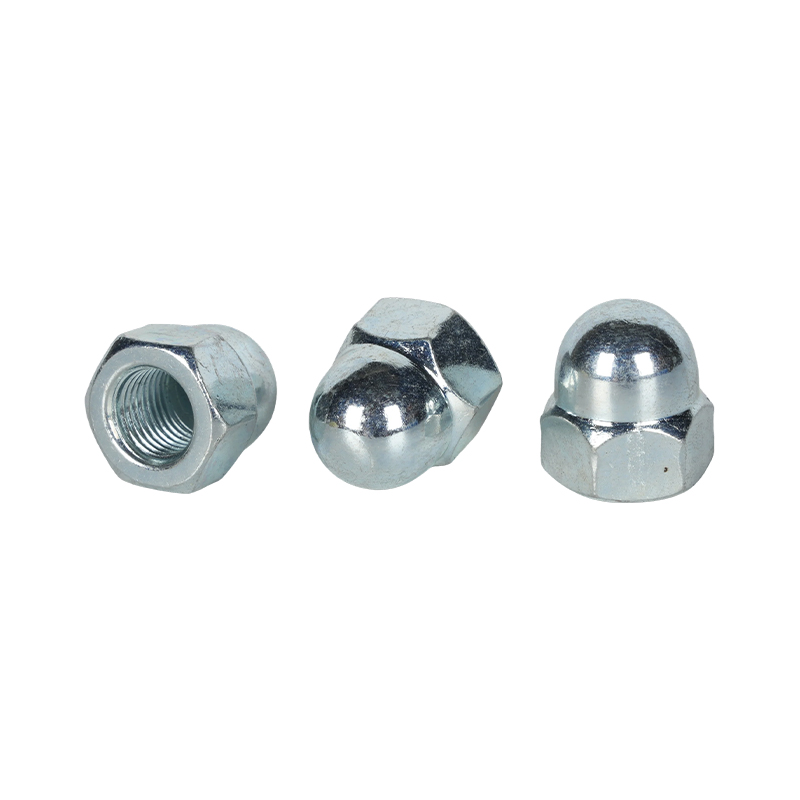
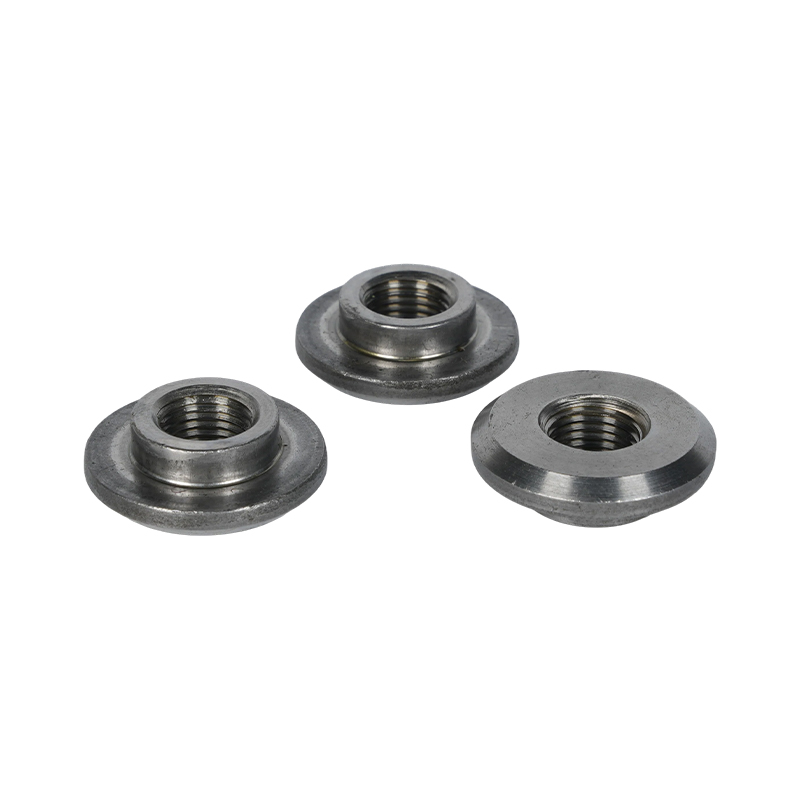
A: GB/T 802.1 refers to the general specification for cap nuts, covering standard configurations without welding features. GB/T 802.3 specifically covers the welding-type configuration, incorporating projection features on the flange base for weld formation and permanent attachment.
Q: Can these nuts be supplied in non-standard thread sizes?
A: Thread sizes outside the standard M4 to M24 range can be manufactured upon request, subject to tooling availability and minimum order quantity requirements. Custom dimensional specifications are evaluated on a per-order basis.
Q: Are these nuts reusable after welding?
A: The welding-type configuration is intended for permanent installation. Once welded, removal typically requires destructive methods such as grinding or cutting. For applications requiring removal capability, the standard non-welding type cap nut configuration is recommended.
Q: What welding methods are compatible with this product?
A: Resistance welding and projection welding are the commonly used methods for GB/T 802.3 welding-type nuts. The flange geometry includes projection features designed for controlled weld formation when using these processes. Welding parameters should be set based on material grade, thickness, and equipment specifications.
Q: What is the purpose of the domed cap?
A: The domed cap covers the exposed bolt end, providing mechanical protection for the fastener and preventing contact with the bolt end. It also functions as a barrier that reduces the risk of mechanical injury in areas with personnel access.
Q: How do I select the appropriate performance grade for my application?
A: Performance grade selection is determined by the required tensile strength, yield strength, and hardness for the joint design. Grade 6 and 8 apply to carbon steel materials with defined proof load and tensile strength ranges. Grade A2 and A4 designate stainless steel material categories, with A2 for general corrosion-resistant applications and A4 for marine or chemically aggressive environments. The suffix numbers 50 and 70 indicate the tensile strength class in N/mm².
Q: Are there specific storage requirements for GB/T 802.3 nuts?
A: For uncoated carbon steel nuts, storage in dry conditions with controlled humidity is recommended to prevent corrosion prior to installation. For coated nuts, storage should maintain coating integrity by avoiding abrasive contact, impacts, or prolonged UV exposure that may affect coating performance.
Q: What surface treatments are available for these nuts?
A: Surface treatments include zinc plating (with clear, yellow, black, or olive drab chromate), zinc flake coating (Dacromet), nickel plating, chrome plating, phosphate coating, and other specialized coatings. Treatment selection is based on corrosion resistance requirements, appearance specifications, and environmental exposure conditions.