Frequently Asked Questions
Q: What is the difference between GB/T 6183 (Type 1) and GB/T 6182 (Type 2)?
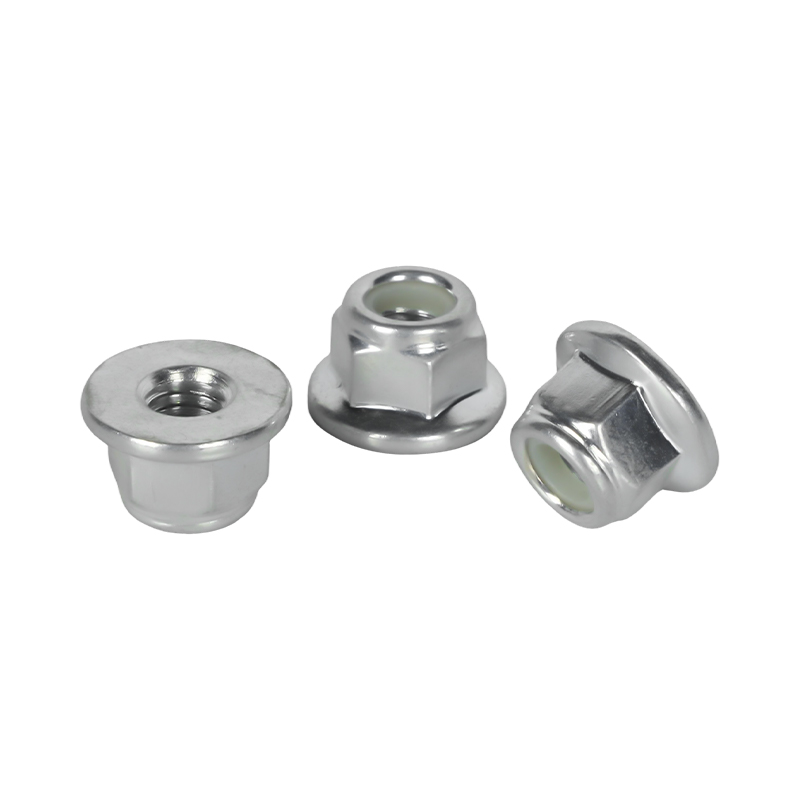
A: GB/T 6183 (Type 1) refers to non-metallic insert hexagon lock nuts with standard hexagon dimensions equivalent to GB/T 6170. GB/T 6182 (Type 2) covers non-metallic insert hexagon lock nuts with increased nut height dimensions equivalent to GB/T 6175. The Type 2 configuration provides greater nut height and higher strength grades for heavy-duty applications.
Q: What is the temperature rating for nylon insert lock nuts?
A: The nylon insert materials (typically polyamide/nylon 6/6) have a temperature rating of 250°F (121°C). Temperatures exceeding this rating may result in degradation of the non-metallic insert and loss of locking torque.
Q: Can these nuts be reused after removal?
A: Reusability depends on the condition of the nylon insert and the application's locking torque requirements. The insert may experience wear or deformation during installation and removal, which can reduce locking performance in subsequent applications. For critical applications requiring multiple assembly cycles, locking torque should be verified against the specified requirements.
Q: Are these nuts suitable for use with chemicals?
A: The non-metallic nylon insert has chemical compatibility limitations. Certain chemicals may cause degradation of the insert material, affecting locking performance. Chemical compatibility should be evaluated based on the specific chemical exposure conditions.
Q: What is the recommended tightening torque for GB/T 6183 nuts?
A: Tightening torque values are determined by the nut performance grade, thread size, material grade, and application load requirements. The nylon insert generates additional friction during installation; torque specifications should account for the prevailing torque contribution. For configurations where the nut is used in a connection assembly, torque coefficient values should be referenced from applicable standards.
Q: Do these nuts require additional locking devices?
A: The non-metallic insert provides the locking mechanism. The use of additional locking devices depends on specific application requirements, including load conditions, vibration levels, and safety factors defined in the design specification. For critical applications, engineering evaluation should determine whether supplementary locking methods are required.