Frequently Asked Questions
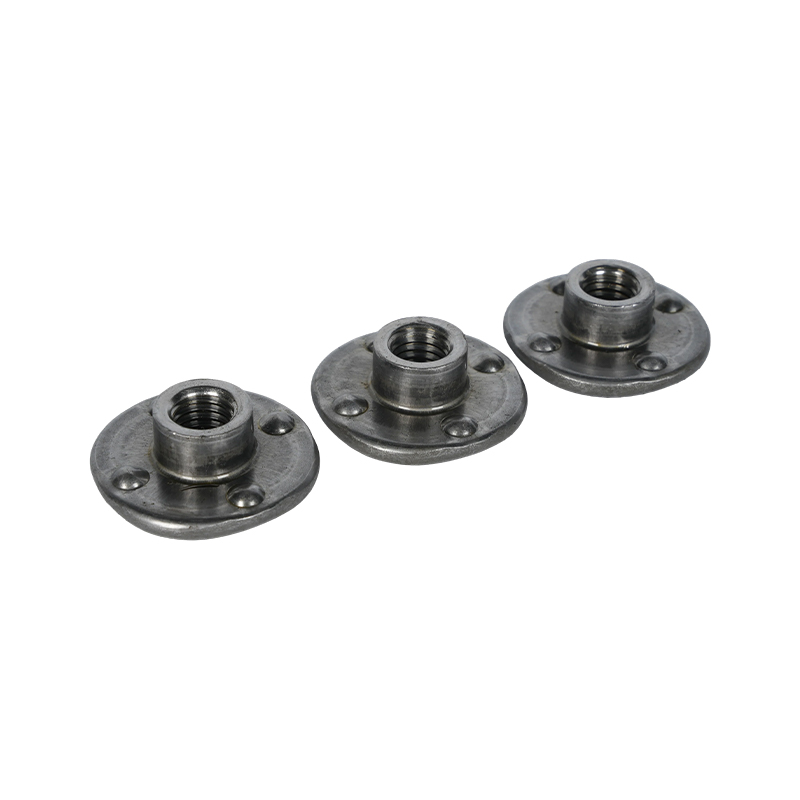
Q: What welding methods are compatible with 3-hole round base T-nuts?
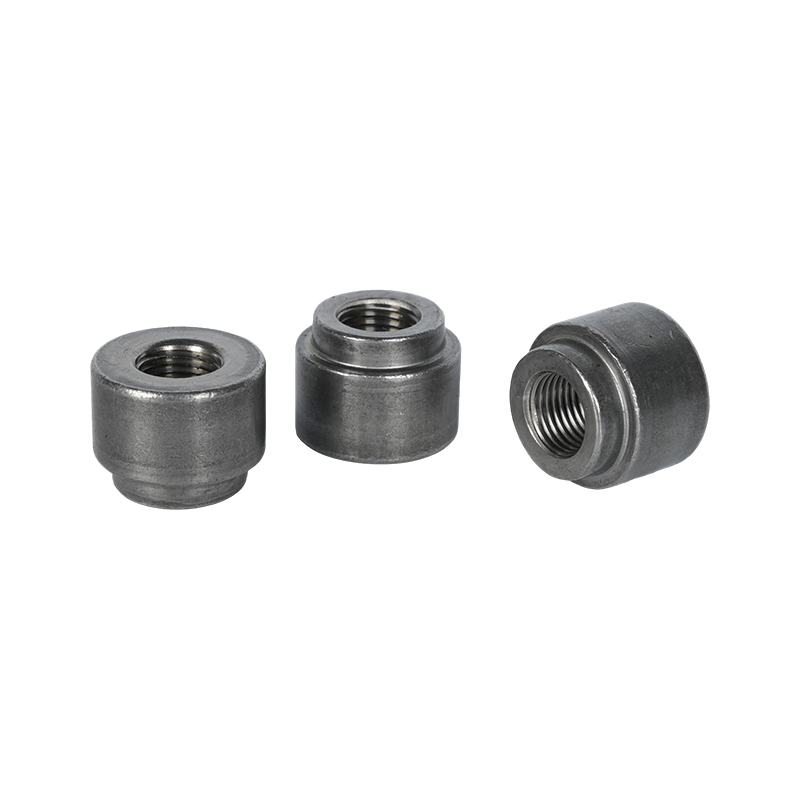
A: Spot welding and projection welding are the commonly used methods for this configuration . Spot welding uses electrodes with pointed tips to heat and join metals, suitable for carbon steel applications. Projection welding uses similar principles but with electrodes carrying more current, allowing thicker materials to be welded .
Q: What is the difference between spot welding and projection welding for these nuts?
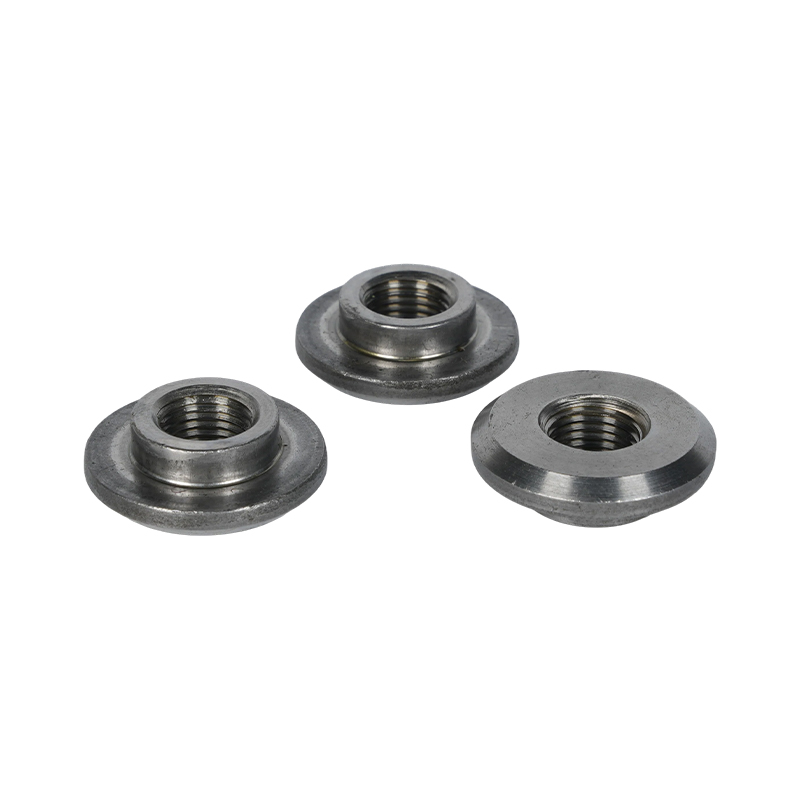
A: The flat round base with no projections is designed specifically for spot welding applications, where the electrode contacts the flat surface directly. Projection weld nuts typically feature raised projections that concentrate the welding current. The 3-hole round base flat design eliminates orientation requirements during welding and prevents mismatch between the flange and base material .
Q: Can these nuts be used in non-metallic applications?
A: Yes. In non-metallic applications such as wood or composite materials, T-nuts are typically driven into pre-drilled holes, providing threads and adding strength to relatively weak materials .
Q: What are the three holes in the base used for?
A: The three evenly distributed holes allow the nut to be fixed to the workpiece using separate screws or bolts, providing additional stability and preventing rotation or shifting of the nut. This configuration also enables mechanical fastening when welding is not suitable .
Q: Are these nuts reusable after welding?
A: The welded configuration is intended for permanent installation. Once welded, removal typically requires destructive methods such as grinding or cutting. For applications requiring removal capability, the non-welded mounting method using the three holes for screw fixation is recommended.
Q: What thread sizes are available?
A: Thread sizes typically range from M3 to M16 for metric systems and equivalent imperial sizes such as #6-32, #8-32, #10-24, 1/4"-20, 5/16"-18, 3/8"-16, and 1/2"-13 .