

product
product
product
product
product
product
product
product
product
product
product
product
product
product
product
product
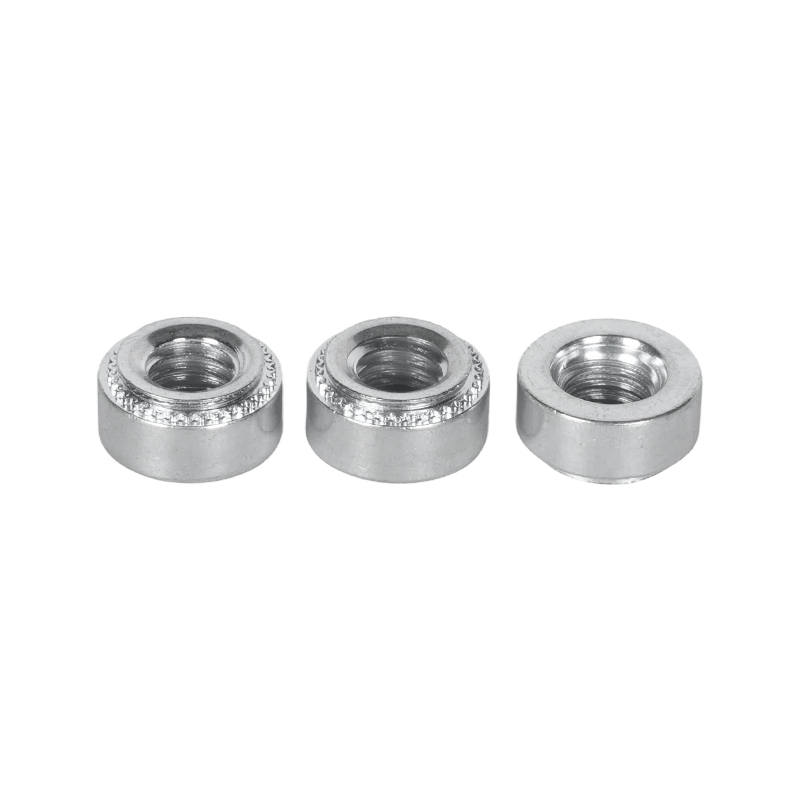

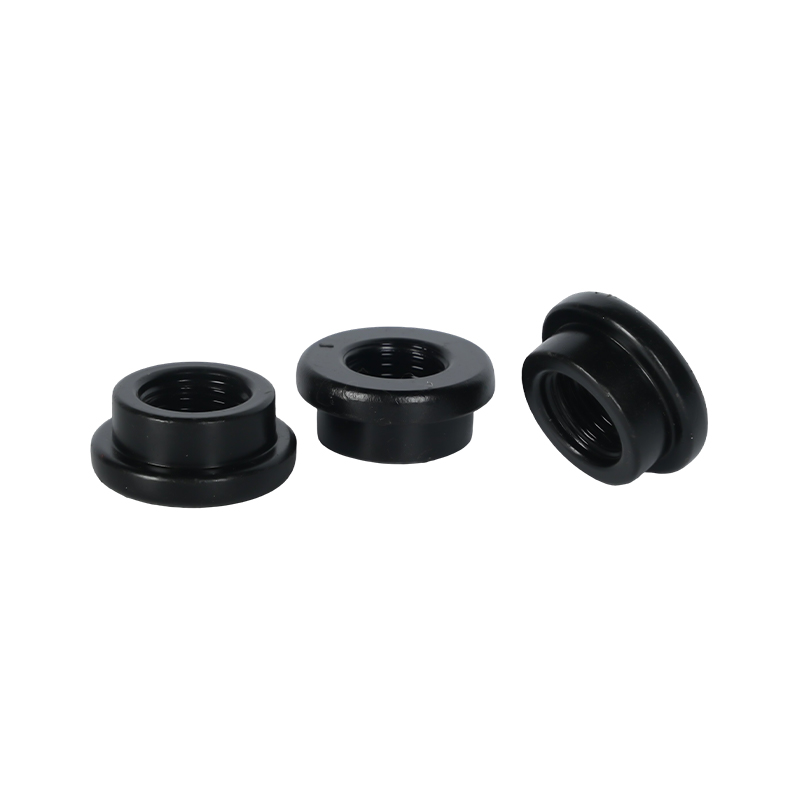
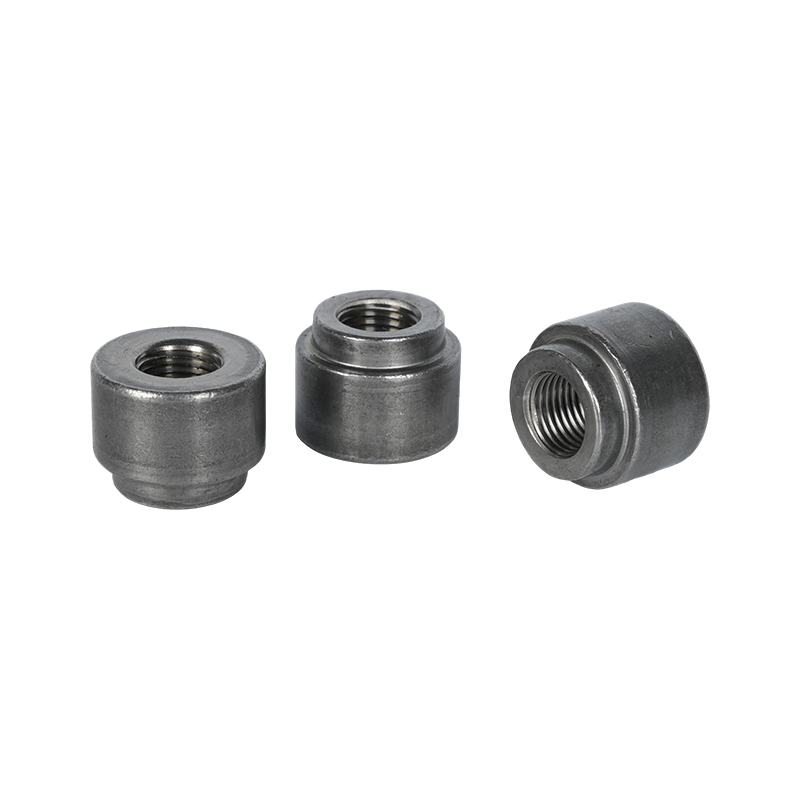
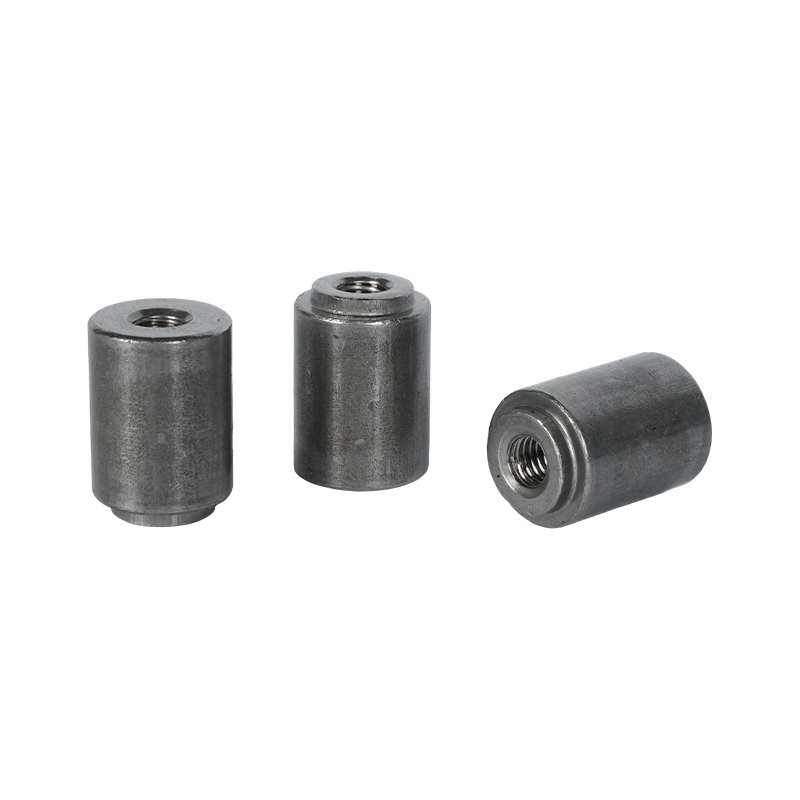
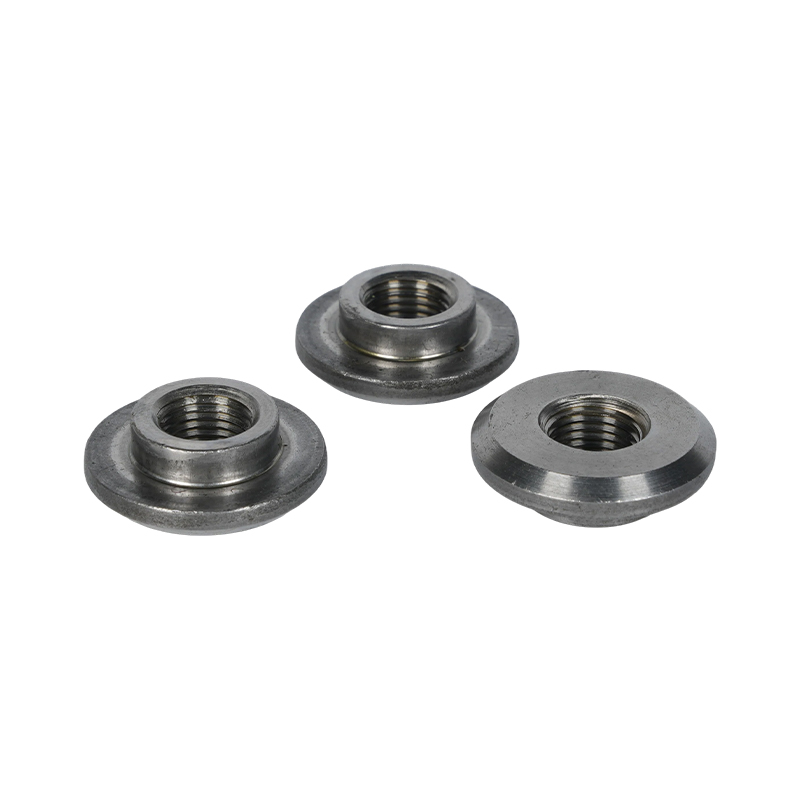
Carbon Steel S Type Round Self-Clinching Nut is a circular fastener designed for permanent installation into metal sheets with a hardness of HRB 80 or less . The S Type configuration features an undercut design where the sheet metal surrounding the nut head cold flows into the undercut during installation, making the fastener an integral part of the sheet . A serrated clinching ring on the underside prevents the nut from rotating after installation . Thread specifications are available in metric sizes from M2 to M12 and unified sizes from #2 to 1/2 inch . Recommended minimum sheet thickness ranges from 0.75mm to 3mm depending on nut size and shank code . Customization options are available for specifications, material grades, strength levels, and surface treatments.