

product
product
product
product
product
product
product
product
product
product
product
product
product
product
product
product
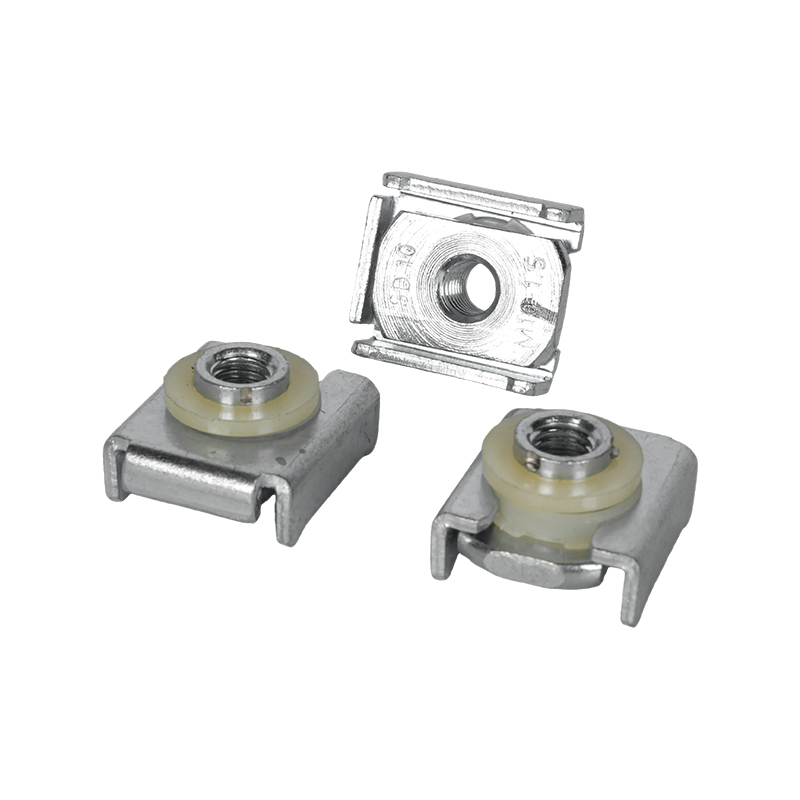

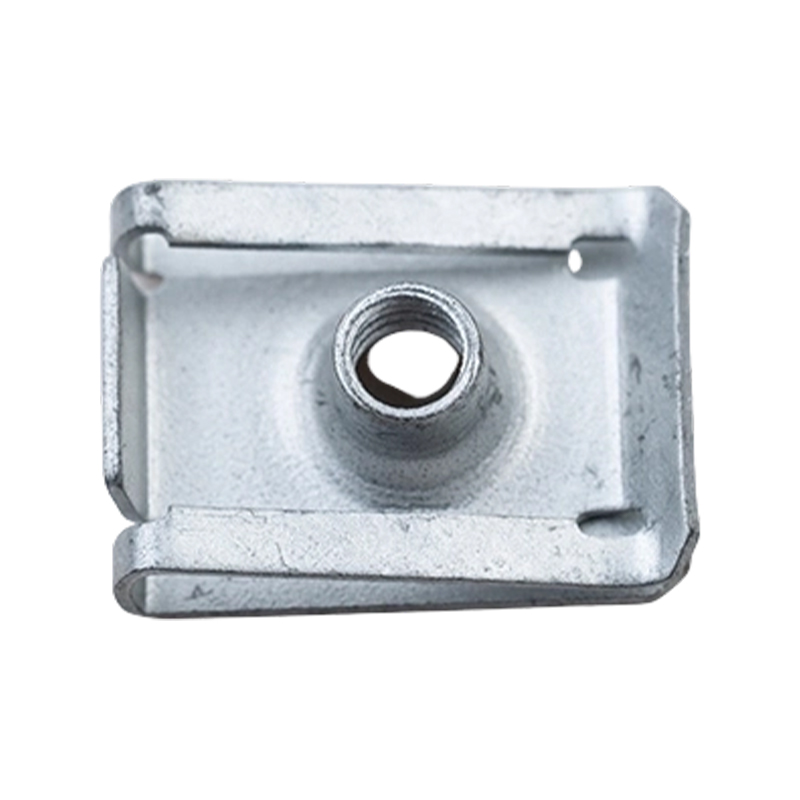
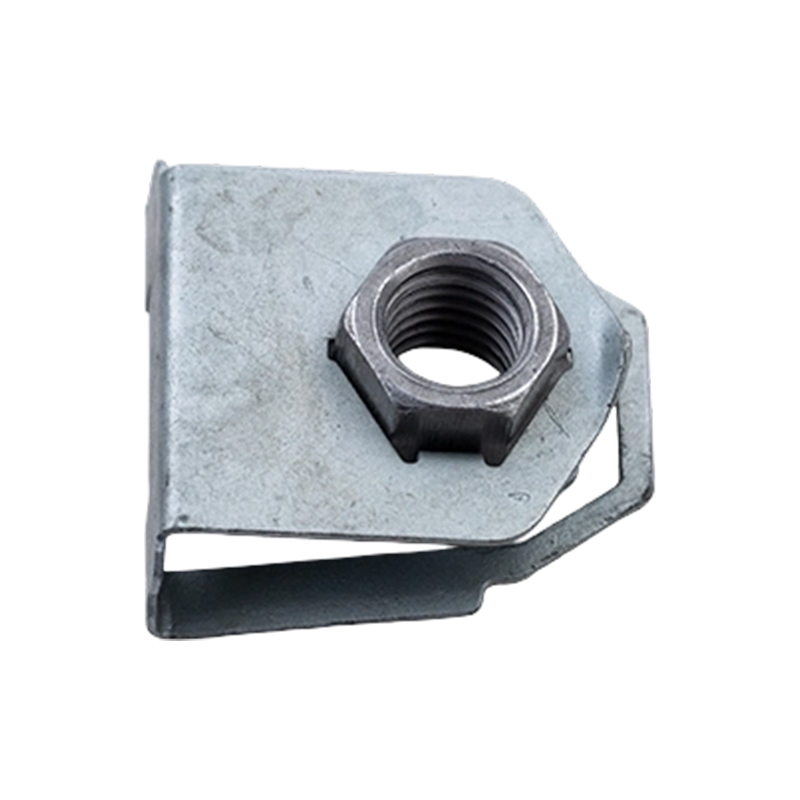
Carbon Steel Floating Spring Cage Nut is a fastener assembly consisting of a nut element retained within a spring steel cage structure. The nut is free-floating within the cage, allowing controlled lateral movement to compensate for hole misalignment between mating components. The spring cage is manufactured with retention arms that compress for insertion into panel openings and expand upon release to secure the assembly in position, enabling installation without access to the reverse side of the workpiece. The cage retains the nut within the assembly, preventing loss during handling and installation. Thread specifications are available in metric and unified configurations. Customization options are available for specifications, material grades, strength levels, and surface treatments.