

product
product
product
product
product
product
product
product
product
product
product
product
product
product
product
product
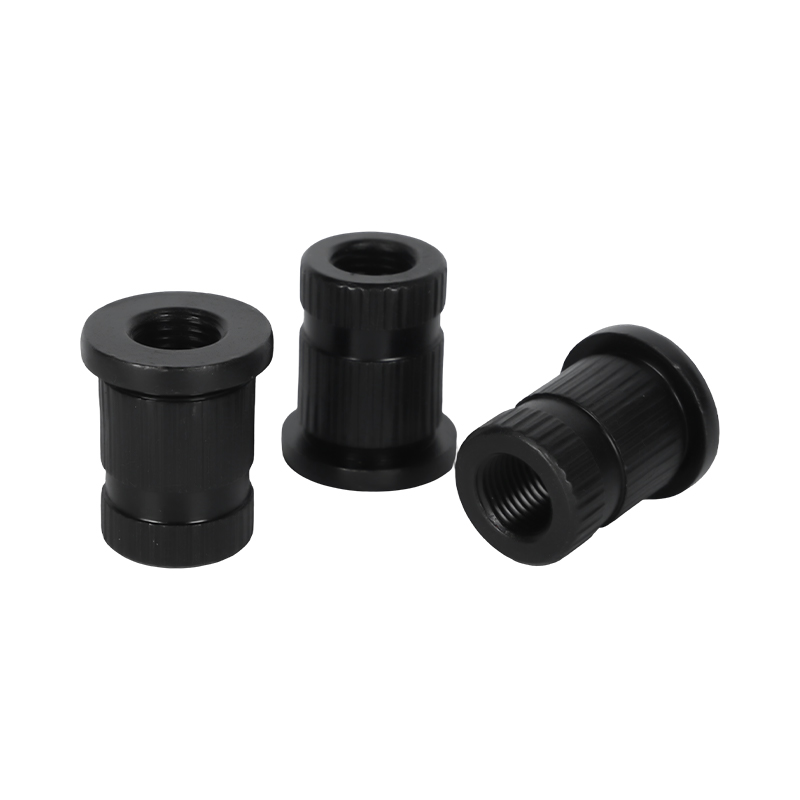

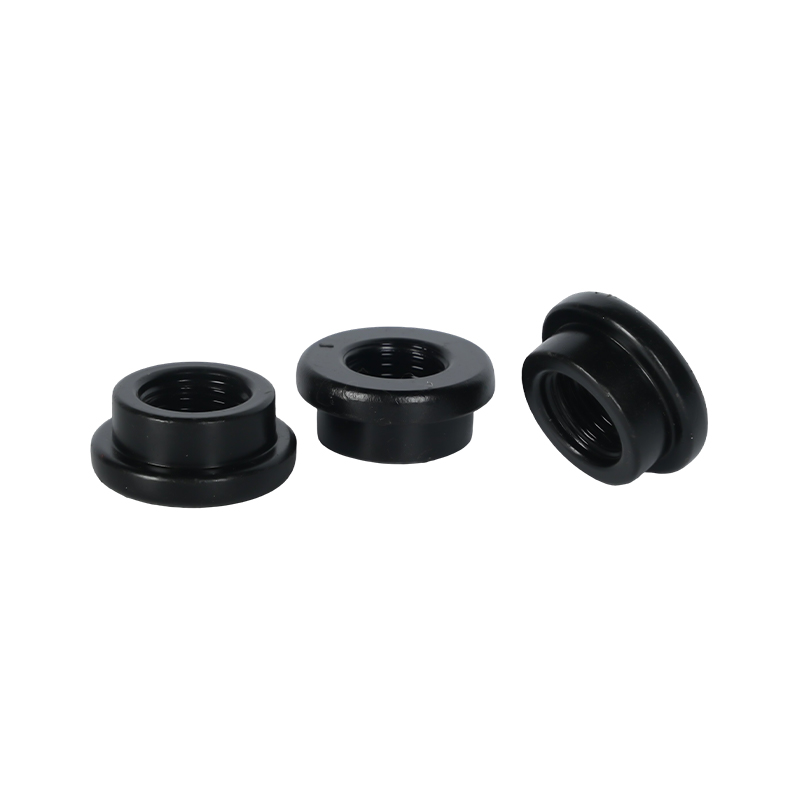
Black Double Straight Knurl Flanged Cylindrical Insert Nut is a cylindrical fastener featuring dual straight knurled sections on the external surface, an integrated flange, internal threads, and a black finish. The double straight knurl pattern provides a mechanical interference fit when pressed into pre-drilled holes, with the dual knurled sections increasing retention surface area. The flange serves as a positive stop during installation and provides load distribution across the workpiece surface. The internal threaded bore accommodates standard bolts or screws. The black finish provides a uniform appearance and surface protection. Thread specifications are available in metric and imperial configurations. Customization options are available for specifications, material grades, strength levels, and surface treatments.