

product
product
product
product
product
product
product
product
product
product
product
product
product
product
product
product
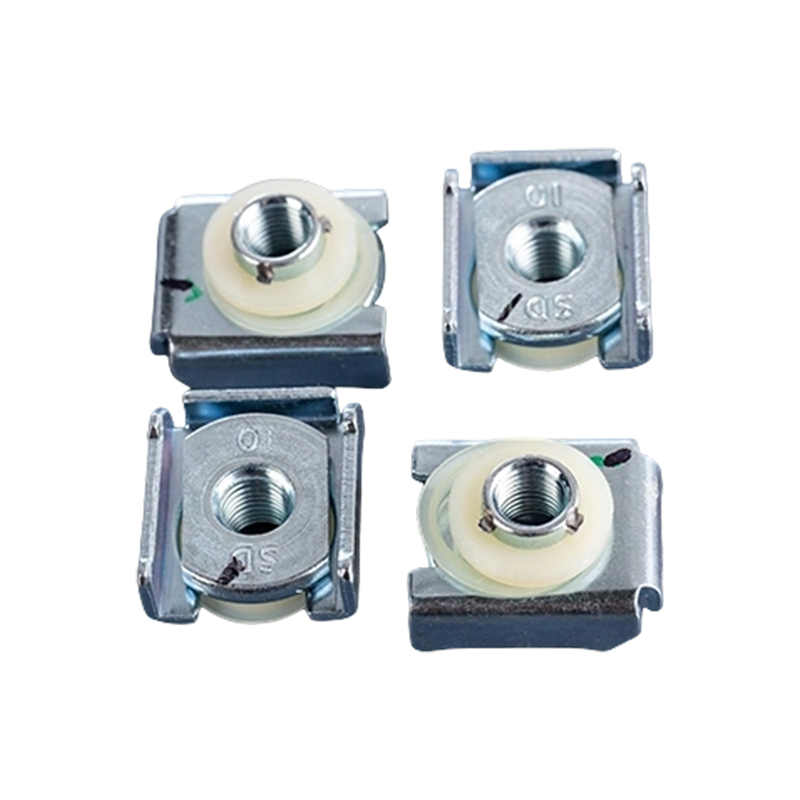

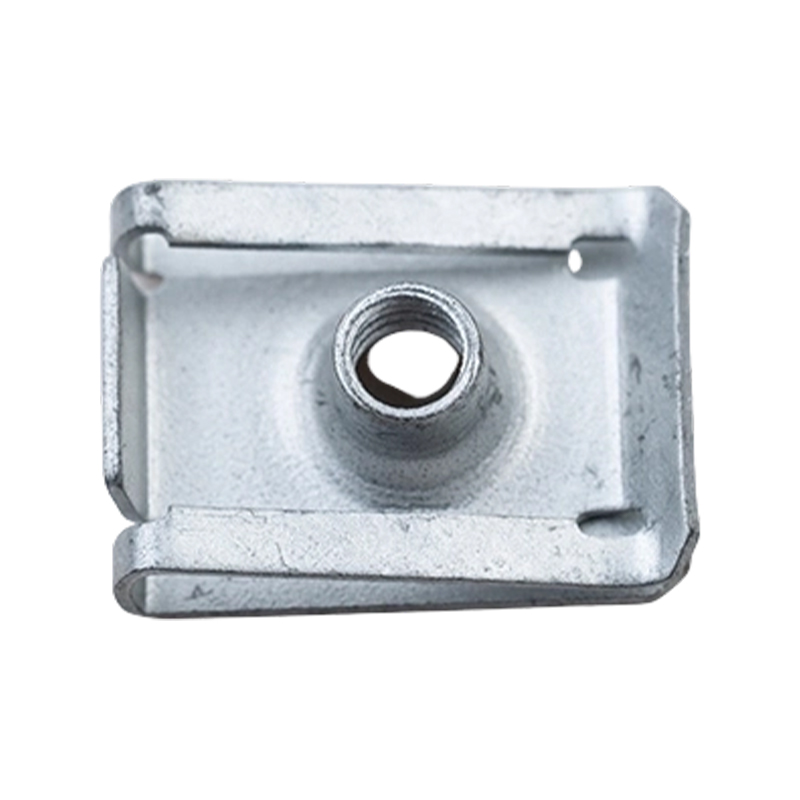
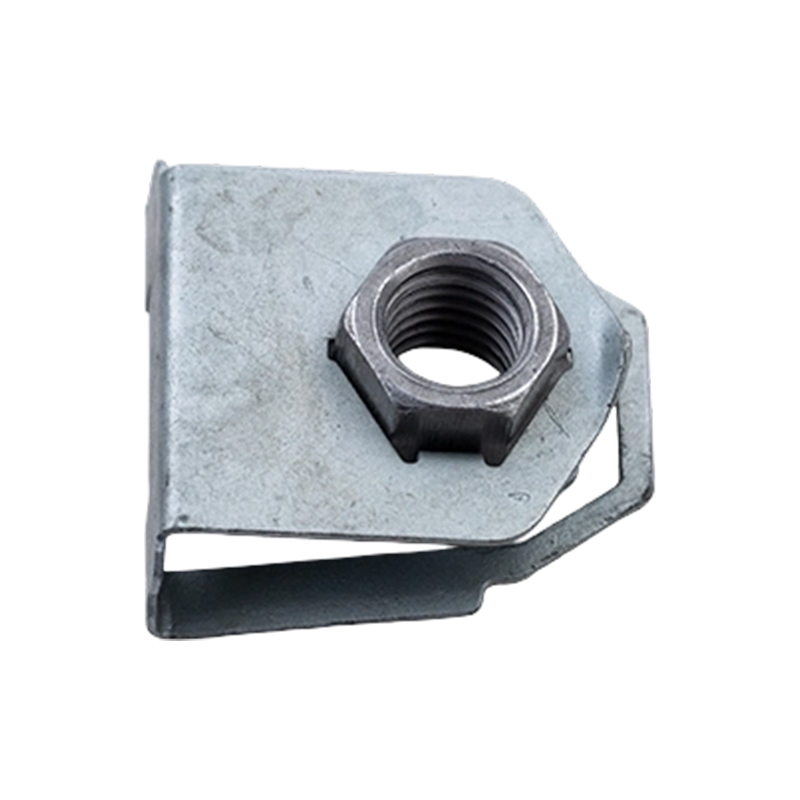
Floating Cage Nut with Nylon Washer is a fastener assembly consisting of a square nut retained within a spring steel cage, combined with an integrated nylon washer at the bearing interface. The nut element is free-floating within the cage, allowing controlled movement in lateral directions to compensate for hole misalignment between mating components . The cage is manufactured with retention arms that compress for insertion into panel openings and expand upon release to secure the assembly in position . The nylon washer provides a bearing surface that distributes clamping load and serves as a sealing element at the fastener interface . Thread specifications are available in metric and unified configurations . Customization options are available for specifications, material grades, strength levels, and surface treatments.