Frequently Asked Questions
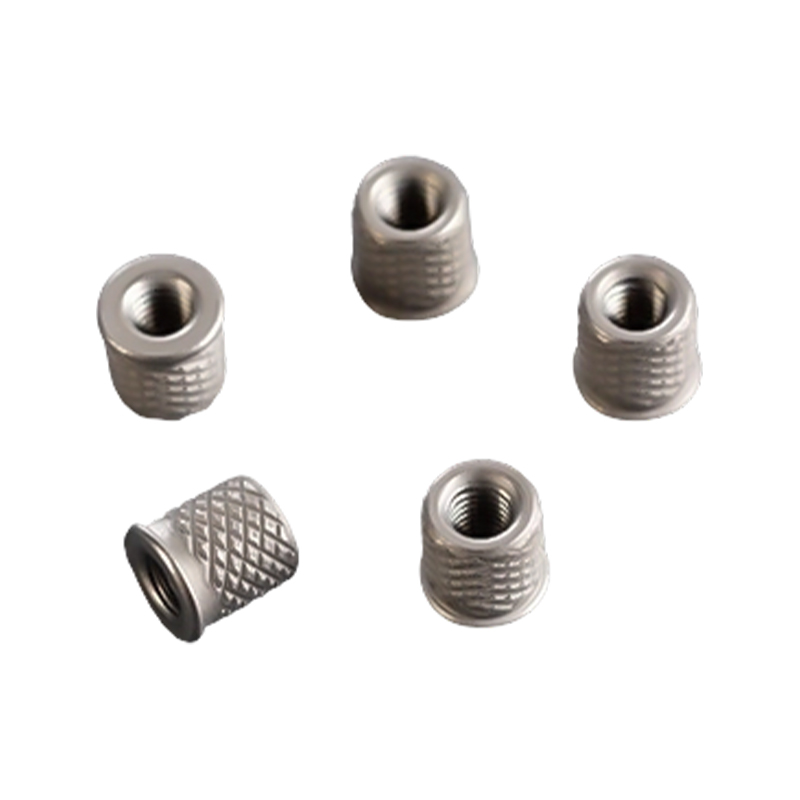
Q: What is the difference between diamond knurl and straight knurl insert nuts?
A: Diamond knurl insert nuts feature a cross-hatched knurl pattern that provides increased surface contact with the host material compared to straight knurl patterns. The diamond pattern creates a more secure interface with the surrounding material for applications requiring higher retention force or resistance to rotation.
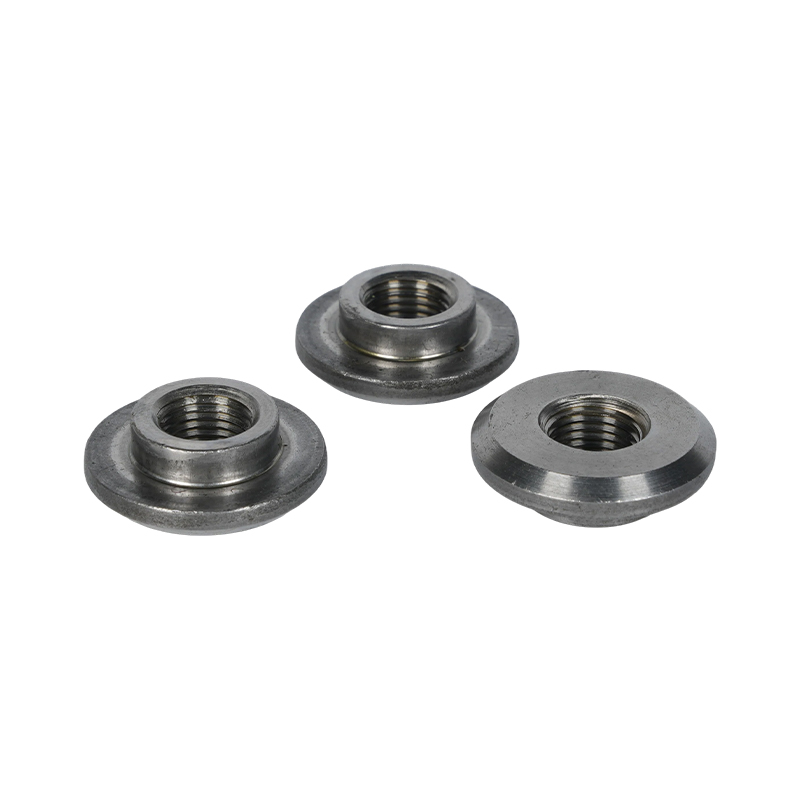
Q: What is the purpose of the flange on this insert nut?
A: The flange serves as a positive stop during installation, preventing the insert from being pressed too deeply into the hole. It also provides a bearing surface that distributes clamping force across the workpiece and helps resist pull-through forces under load.
Q: What materials are compatible with these insert nuts?
A: Diamond knurl insert nuts are compatible with plastic, wood, and certain metal applications where the insert is pressed into a pre-drilled hole. The host material should be softer than the insert nut material to allow the knurl ridges to bite into the surrounding material.
Q: What is the difference between A2 (304) and A4 (316) stainless steel?
A: A2 (304) stainless steel provides corrosion resistance for wet and outdoor environments. A4 (316) offers enhanced corrosion resistance for exposure to salt water and most chemicals, providing improved protection in aggressive environments.
Q: Can these nuts be removed after installation?
A: The insert nut is intended for permanent installation. Once pressed into the host material, removal typically damages the surrounding material or the nut itself. For applications requiring removal or replacement, alternative fastening methods should be considered.
Q: What is the recommended installation method?
A: The insert nut is pressed into the hole using a press. Standard drills or drill presses may be used in small production runs, while automatic feeding systems are recommended for large volume production. The flange provides a positive stop for consistent insertion depth.