

 Español
 عربى
product
product
product
product
product
product
product
product
product
product
product
product
product
product
product
product

Product Category
Contact us
Specialty & Functional Automotive Components Suppliers
Message Feedback
About Us
30 Years of Expertise in Automotive Fasteners
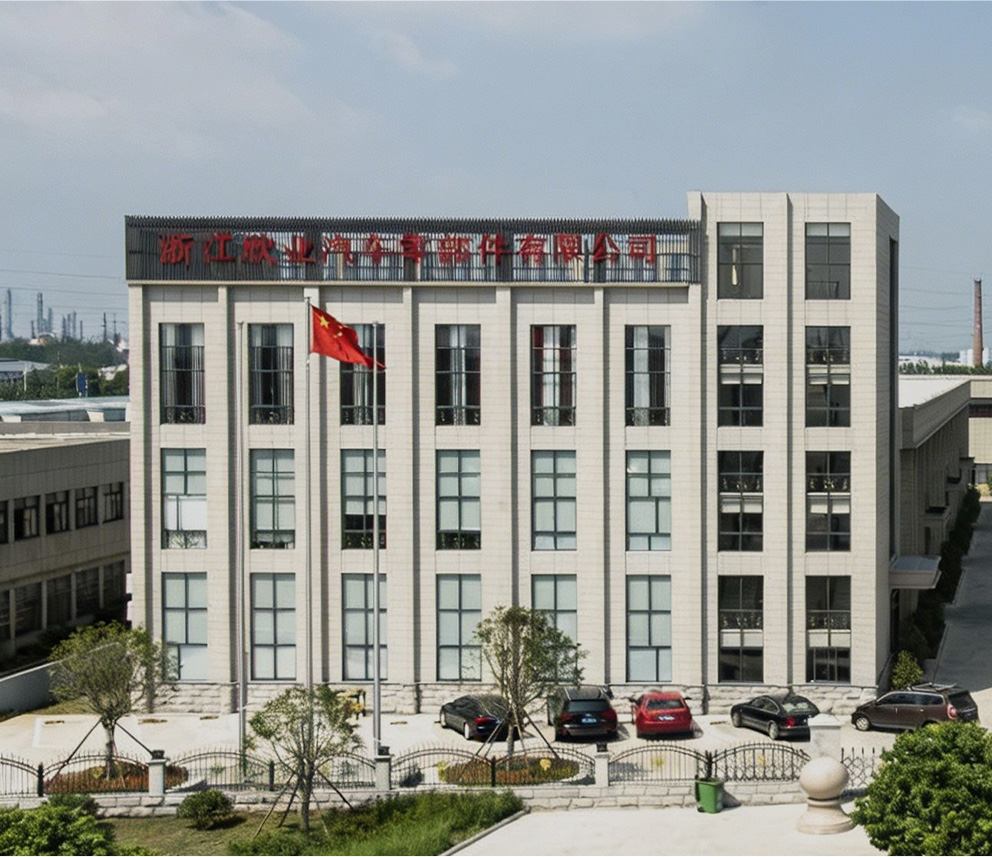
Zhejiangxinye Automobile Technology Co. , Ltd. traces its origins to 1995, evolving from Jiaxing Zhapu Xinye Standard Parts Co., Ltd. We are China Specialty & Functional Automotive Components Suppliers and Custom
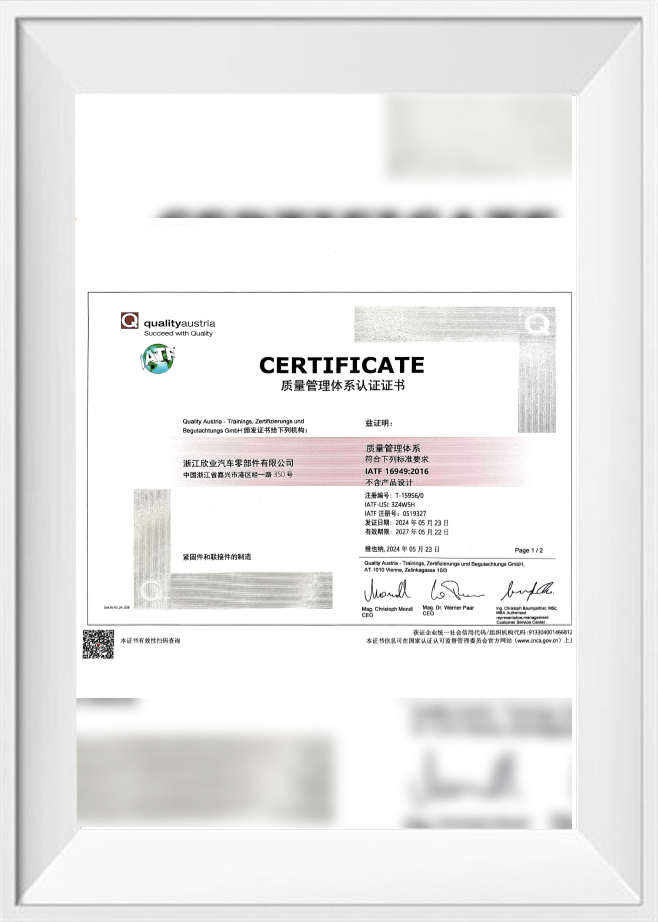
Specialty & Functional Automotive Components factory. The company specializes in the production of various automotive fasteners and stamping parts, including flange nuts, welding nuts, and more. For over 30 years, Xinye has kept pace with industry trends, focusing on technological innovation and internal management, and has achieved steady growth. The company is now certified to IATF 16949-2016.
Adhering to the principle of "surviving by product quality, developing by technological innovation," Xinye takes quality as its foundation and customer satisfaction as a top priority, committed to providing suitable and reliable products. To enhance product competitiveness and strengthen employee quality awareness, the company has established a sound management system and standardized process flows. Work instructions have been developed for special and critical processes, and strict quality inspections are conducted at every step. From raw material analysis to finished product mechanical performance testing, process control is implemented to ensure product conformity. The continuously improving quality management system and stable product performance have earned the company market recognition, as well as customer trust and praise.
Adhering to the principle of "surviving by product quality, developing by technological innovation," Xinye takes quality as its foundation and customer satisfaction as a top priority, committed to providing suitable and reliable products. To enhance product competitiveness and strengthen employee quality awareness, the company has established a sound management system and standardized process flows. Work instructions have been developed for special and critical processes, and strict quality inspections are conducted at every step. From raw material analysis to finished product mechanical performance testing, process control is implemented to ensure product conformity. The continuously improving quality management system and stable product performance have earned the company market recognition, as well as customer trust and praise.
-
0m2
Factory Area
-
0
Brand Origin
-
0+
Product Range

Zhejiangxinye Automobile Technology Co. , Ltd.
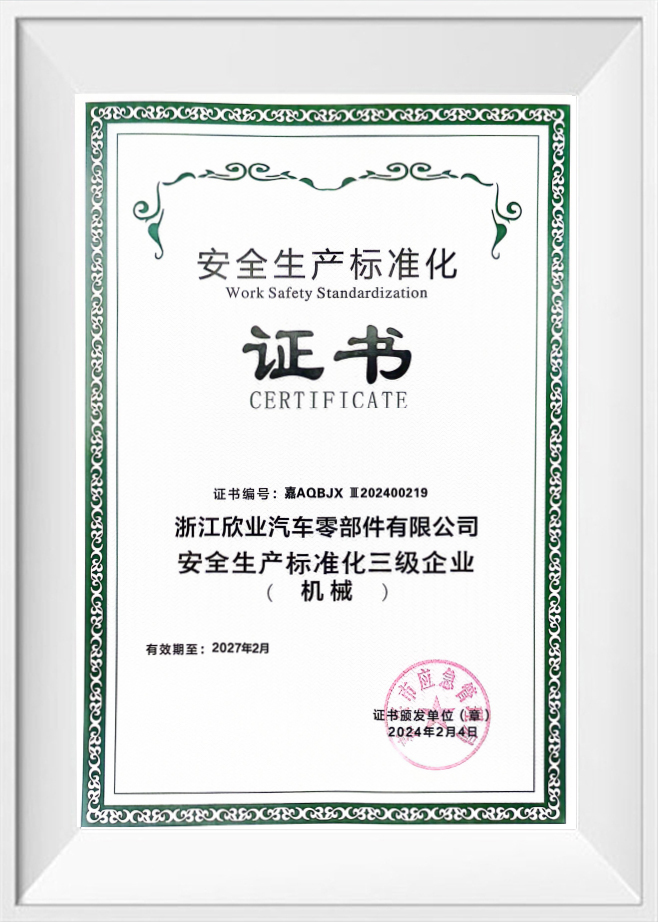
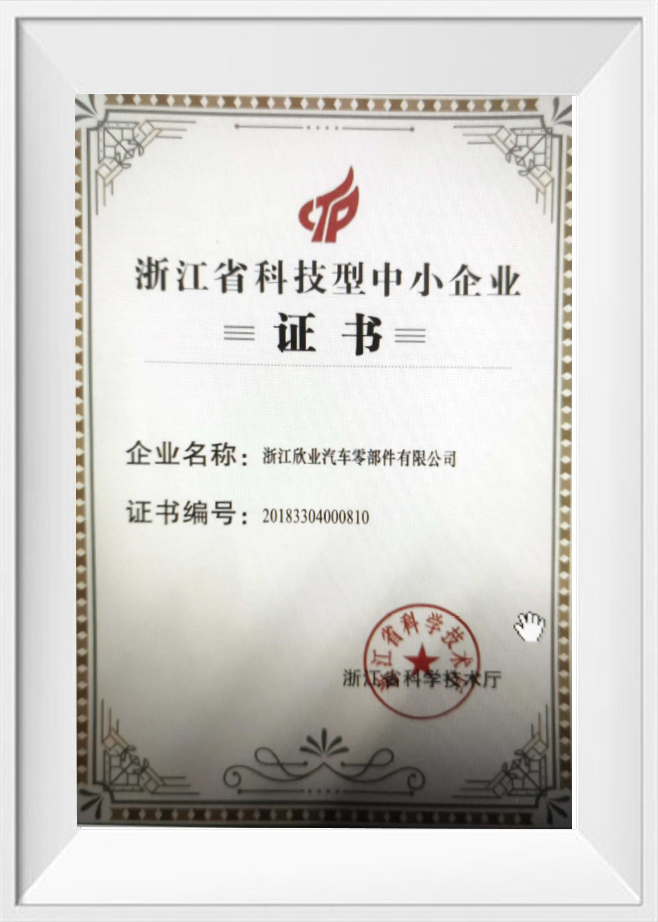
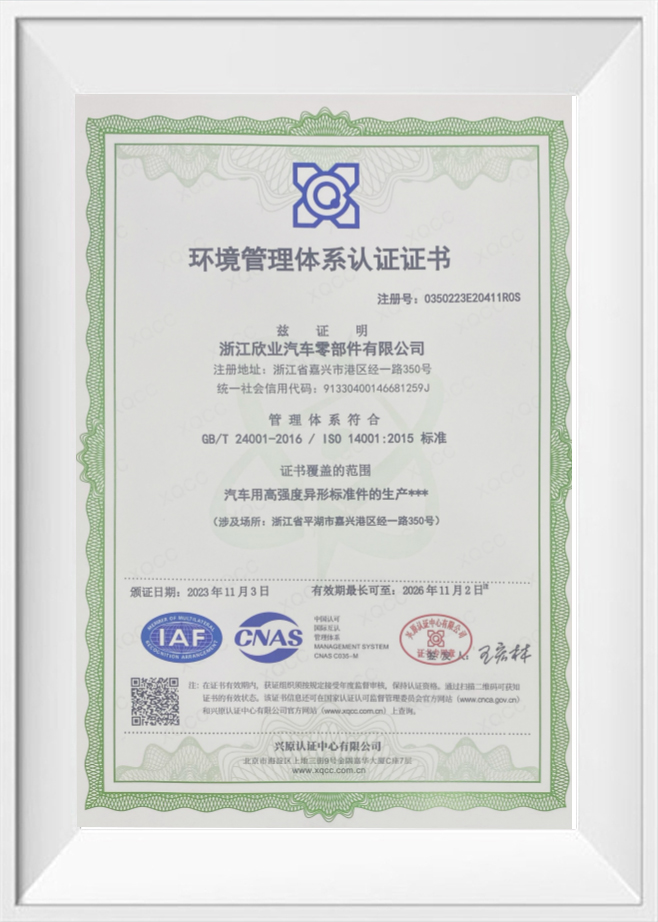
Certificate Of Honor
What’s News
Industry Insights & Updates
View All News
-
2026-11-03Industry News
-
2026-11-03Industry News
-
2026-11-03Industry News
-
2026-11-03Industry News
Specialty & Functional Automotive Components Industry Knowledge
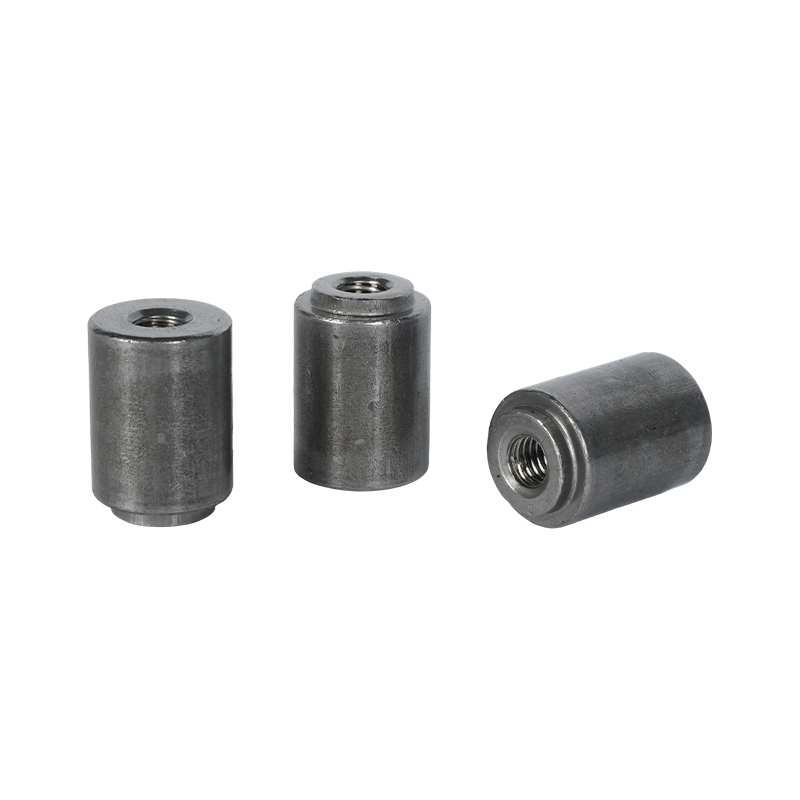
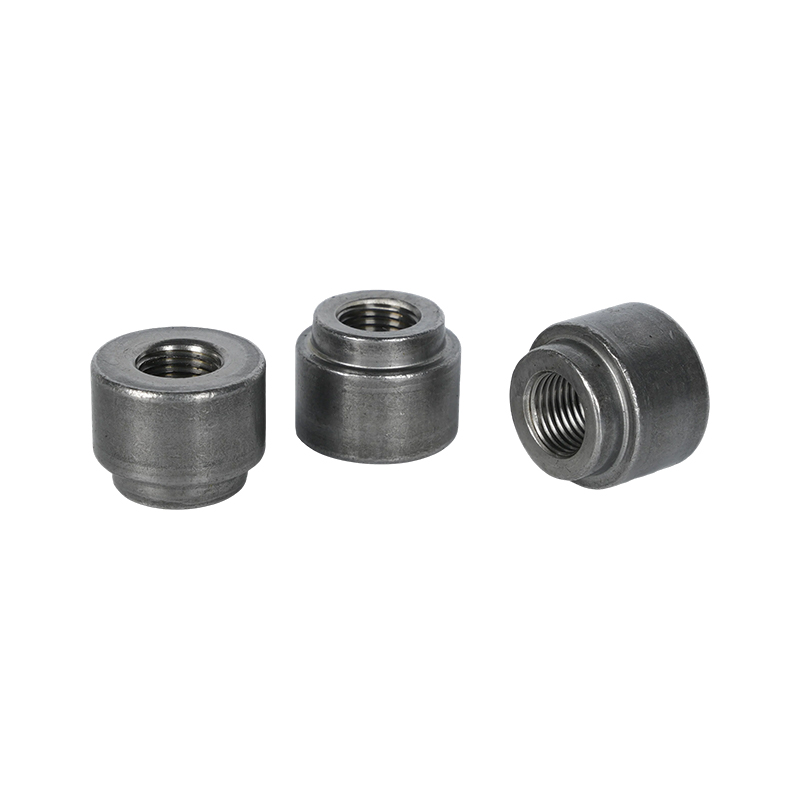
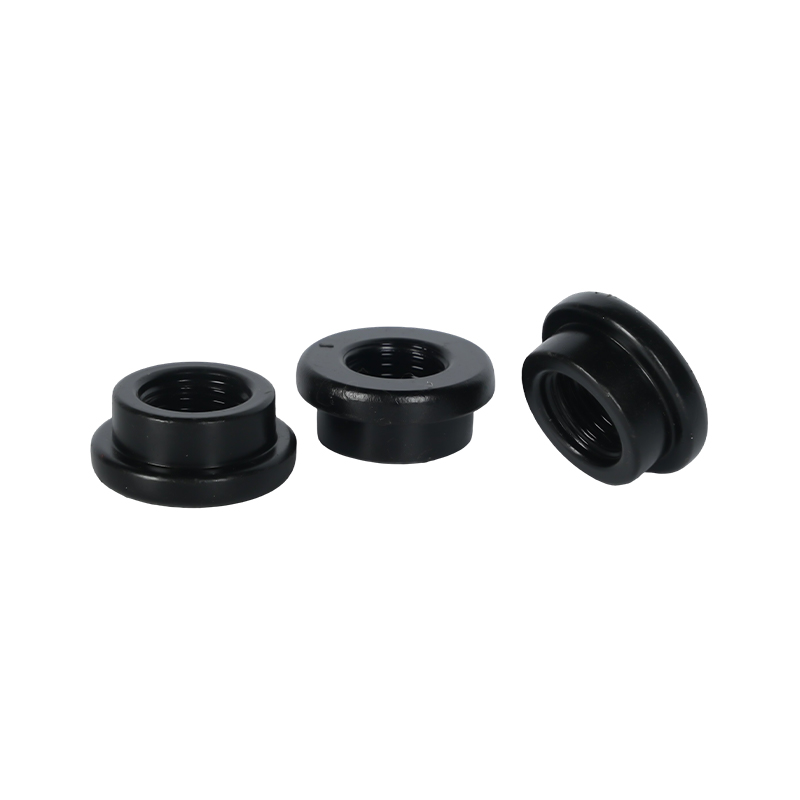
Zhejiangxinye Automobile Technology Co., Ltd. manufactures specialty and functional automotive components within a fastener and stamping programme that has run since 1995 from Jiaxing, Zhejiang Province. The family contains 27 dedicated parts across eight sub-groups: seat belt nuts, interior trim circlips and springs, body tow hooks, sealed nuts for EV battery packs, wheel nuts, seat adjustment shims and spacer nuts, seat adjustment parts, and seat system nuts. We supply these parts into body, interior, seat, chassis and battery-pack programmes and manufacture in-house from raw-material analysis through to finished-part mechanical performance testing, under IATF 16949-2016.
Each item in this family carries a vehicle function rather than a generic dimensional duty — retaining a seat belt anchorage, holding interior trim without visible hardware, providing a rated body towing point, sealing a battery enclosure against water ingress, or carrying wheel and seat clamp loads. We tool and produce against customer drawings, and our engineers work from the working point, the mating material and the assembly method rather than from a catalogue entry alone.
Our Specialty & Functional Automotive Components Range
As a Custom Specialty & Functional Automotive Components Suppliers, Exporter, we match product configuration to the application, operating limits, interfaces and acceptance criteria defined for each project.
All eight sub-families sit under one manufacturing and quality programme, presented on our site as the Custom Specialty & Functional Automotive Components Suppliers, Exporter category. The table below shows what we build in each group and where the parts are used.
| Sub-family | Typical parts we manufacture | Vehicle position and function |
|---|---|---|
| Seat Belt Nuts | Carbon steel 7/16 safety belt nut with 4-hole square flange and internal thread | Seat belt anchorage points at pillar and floor mountings |
| Interior Trim Circlips & Springs | Carbon steel spring clip nuts, double spring clip nuts, dual coil torsion springs | Door trims, consoles, flaps and hinge mechanisms |
| Tow Hooks for Automotive Body | Carbon steel V-shape tow hook for chassis mounting | Front and rear body towing points |
| Sealed Nuts for EV Battery Pack | Flanged blind closed-end waterproof nuts, 3-spot weld blind nuts, single locating tab nuts, smooth flanged weld nuts | Battery enclosure, underbody and water-tight body joints |
| Wheel Nuts | One-piece cap type hub nut, open-end taper seat hub nut | Wheel hub fixing and hub assembly retention |
| Seat Adjustment Shims & Seat Spacer Nuts | Adjustment shims and spacer nuts in assorted thicknesses | Seat track adjustment, height and recline mechanisms |
| Seat Adjustment Parts | Pressing and machined items for seat adjustment assemblies | Seat rails, levers and slider interfaces |
| Seat System Nuts | Flange nuts and special nuts for seat frame joints | Seat frames, recliner joints and mounting brackets |
Application Fit Across Safety, Interior, Body and EV Systems
The range is organised by the system it serves, because the acceptance criteria differ sharply between a seat belt anchorage and a trim clip. Safety-related positions demand controlled strength grade, hardness and traceable heat treatment; interior positions demand low insertion force, no rattle and a finish that will not mark trim; body and battery positions demand sealing and corrosion resistance over the full vehicle life.
- Occupant restraint: square-flange seat belt nuts sized for 7/16 thread with a flange face that spreads clamp load into the anchorage plate.
- Interior assembly: spring clip nuts and torsion springs that hold trim and flaps with repeatable spring rate and no loosening under vibration.
- Body and towing: V-shape tow hooks formed for chassis attachment, with coating chosen for stone-chip and salt exposure.
- Battery and underbody: blind closed-end nuts that stop water and dust tracking through the thread, available in weld and locating-tab versions for enclosure assembly.
- Seat structure: spacer nuts, shims and frame nuts that set rail height and hold adjustment mechanisms at the specified clamp load.
Materials, Strength Grades and Surface Performance
Carbon steel is the base material for the majority of this family, with grade and heat treatment selected against the load case. Our development history runs from earlier Class 5/8 products to current Class 12 production, with Class 13–14 ultra-high-strength nuts at pre-research stage for heavy-duty and high-performance applications.
- Tolerance control: dimensional ranges held between 0.06 mm and 0.30 mm depending on the feature and the mating part.
- Corrosion protection: in-house surface finishing lines, including trivalent zinc plating at 480 h salt spray and Zn-Ni alloy plating at 480–720 h salt spray.
- Temperature grades: three levels at 300 °C, 550 °C and 650–700 °C for exhaust-system and engine-periphery positions.
- MAT self-correcting thread: the first threads guide an offset bolt back onto the correct thread path during automated assembly.
- Hardness and mechanical testing: sampled from production and checked against the drawing before release.
Critical Specifications We Confirm Before Tooling
Four specification groups decide whether a specialty component works on the line: the thread and seat geometry, the strength and hardness requirement, the coating system, and the assembly interface. We confirm all four in writing before a tool is cut.
Thread and geometry: nominal diameter and pitch, thread class, flange diameter and thickness, square or hex drive, locating tab position, weld projection pattern and closed-end depth.
Mechanical requirement: property class, proof load, hardness range, torsional strength for weld nuts, and spring rate or free length for circlips and torsion springs.
Finish: zinc system and coating thickness, salt-spray target, topcoat or lubricant, and any temperature class where the part sits near the exhaust or engine.
Assembly interface: weld schedule, clinch or press-fit condition, torque and clamp load, mating panel thickness, and the orientation the part must present to the tooling.
Manufacturing and Quality Control
Production is completed in-house from raw material to finished goods, using automatic cold heading machines, tapping machines, thread rolling equipment, heat treatment lines and hardness testers. Work instructions are written for special and critical processes, and inspection points are placed at each step rather than only at final release.
The quality system is certified to IATF 16949-2016, supported by environmental management system certification and work safety standardisation. Raw material analysis, in-process checks and finished-part mechanical performance testing form the documented chain behind every shipment, and parts are held to the tolerances and coating thicknesses stated on the approved drawing.
Assembly Line Integration and Installation Notes
Specialty components are only as good as their behaviour in the fixture. We design around the customer's joining method so the part arrives ready for the station that uses it.
- Weld nuts are configured with the projection count, spacing and closed-end depth that match the customer's welding equipment and panel thickness.
- Locating tabs and flange flats orient the part on the panel and resist rotation during torque application.
- Spring clip nuts are set for the intended insertion and removal force so trim can be fitted without cracking or lifting.
- Blind closed-end designs retain the sealing function after bolt removal during service.
- Torsion springs are supplied with leg orientation and coil geometry matched to the hinge or flap they operate.
Information We Use to Configure Your Solution
We prepare a proposal from the application, not from a part number alone. The inputs below let us select the material, strength grade, coating and tooling route in one pass.
- Drawing or 3D model with revision level, plus the standard the part must meet if one applies.
- Vehicle position and mating components — panel material and thickness, bolt or stud specification, adjacent clearance.
- Working load, torque target and any safety-critical classification.
- Coating and corrosion requirement, including salt-spray hours and any appearance or friction constraint.
- Joining method and station equipment: welding, clinching, press-fit or manual assembly.
- Annual and batch quantities, packaging format and labelling requirements.
- Inspection and acceptance expectations, including whether PPAP-style documentation or first-article reports are required.
Documentation, Packing and Delivery Scope
Each order is released against an approved drawing that fixes material, strength class, coating, marking and packaging. Inspection records accompany production lots, and packaging is agreed for the transport mode and the handling equipment at the receiving plant, so bulk cartons, layer pads or returnable containers can be specified. Where a part number is already in service, we work from the existing drawing and propose only the changes the application actually needs.
Frequently Asked Questions
Which components belong to this range?
The range covers seat belt nuts, interior trim circlips and springs, tow hooks for automotive body, sealed nuts for EV battery packs, wheel nuts, seat adjustment shims and spacer nuts, seat adjustment parts and seat system nuts — 27 manufactured items in total, with the wider nut, stamping and CNC programmes available where a project needs them.
Can you produce to our drawing rather than a standard?
Yes. Most of this family is built to customer drawings with specific flange geometry, weld projections, tab positions, spring rates or closed-end depths. We review the drawing against the mating part and the joining method, then confirm material, class, tolerance and coating before tooling.
How are water-tight battery pack nuts verified?
Sealed nuts for EV battery packs use a blind closed-end form so the thread does not open through the part. We confirm closed-end depth, flange flatness and weld pattern against the enclosure design, and control coating thickness so the sealing and corrosion functions both hold.
What strength and coating options are available?
Current production reaches Class 12, with Class 13–14 at pre-research stage. Coatings include trivalent zinc at 480 h salt spray and Zn-Ni alloy at 480–720 h, with temperature-graded finishes at 300 °C, 550 °C and 650–700 °C for hot positions.
How do you support first-article and series supply?
We supply against the approved drawing with inspection records covering raw material, in-process checks and finished-part mechanical performance. Samples for fit and assembly trials can be produced from the same tooling route as series parts, so the validated part and the production part behave the same way.
- Contact Us
-
-
861260628@qq.com

zj@xy-nuts.com -
+86 15888350558

-
No.350 Jingyi Road, Jiaxing Port Area, Zhejiang Province, China.

-
- Quick Links
- Products
- About Us
- Capabilities
- Service
- News
- Contact Us
- Product
- Nuts
- CNC Machined Components, Sleeves & Pins
- Specialty & Functional Automotive Components
- Metal Stampings
- Bolts & Screws
- Mobile
Copyright ©
Zhejiangxinye Automobile Technology Co. , Ltd.
All Rights Reserved
Custom
Specialty & Functional Automotive Components Suppliers
